10 Modern Factors Contributing to Women’s Struggles in Today’s World
While we live in a time of unprecedented technological advancement, greater access to goods, and improved healthcare, many women today face a range of challenges that hinder their happiness and well-being.
Despite the progress made in gender equality and empowerment, women find themselves grappling with societal pressures, health complications, and evolving personal expectations. In this article, we explore the key modern factors contributing to the struggles that many women experience today.
The Impact of the Contraceptive Pill on Mental Health
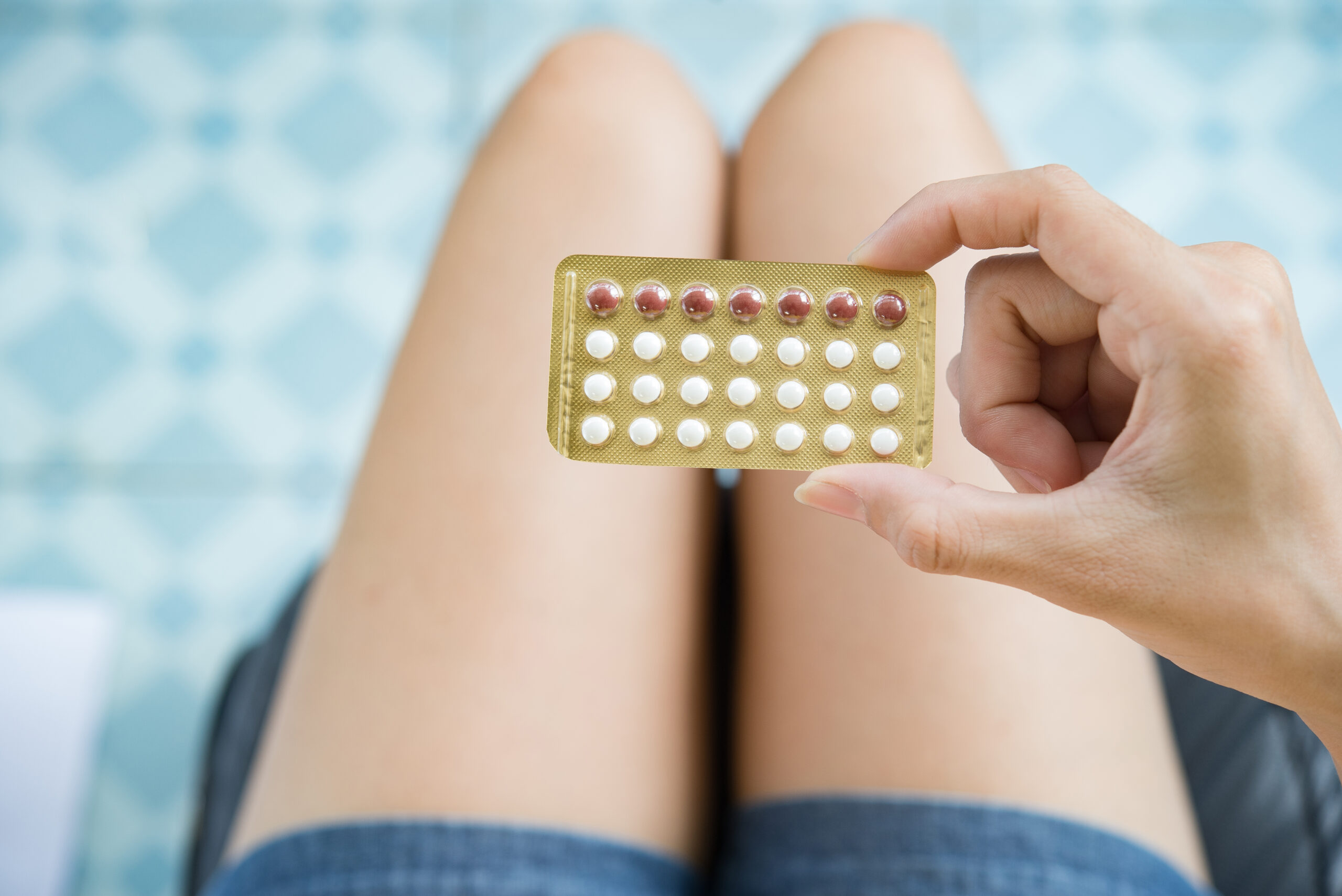
The contraceptive pill, often hailed as a groundbreaking tool for women’s health and freedom, may have unintended side effects that impact mental well-being.
While it helps regulate menstruation, reduce acne, and prevent pregnancy, emerging research suggests that oral contraceptives might alter brain function, potentially contributing to mood disturbances.
A recent study highlighted that women taking the pill had smaller hypothalamic volumes, a part of the brain responsible for regulating mood. This discovery has sparked discussions on whether long-term use of the pill could be linked to an increased risk of depression and anxiety.
The Hidden Struggles of Higher Education for Women
While access to higher education has been a significant victory for women’s rights, the academic journey itself is not without its burdens.
Studies reveal that women, particularly in academia, experience higher levels of stress, anxiety, and burnout compared to their male counterparts.
Furthermore, the choice of study areas, which often lean toward people-focused professions such as teaching and social work, usually results in lower-paying careers than those in the more male-dominated STEM fields.
This disparity in earnings and the mounting stress associated with education can have a long-term impact on women’s mental and financial health.
The Shift from Motherhood to Pet Parenthood
As societal expectations evolve, many women have opted for pets over children, turning their furry companions into “fur babies.”
While pets provide emotional support and companionship, they are no substitute for the long-term benefits of raising children. Pets often don’t live as long, and their care responsibilities diminish as they age.
On the other hand, children provide long-lasting emotional and practical support, especially in the later years. The decision to delay or forego having children in favor of pets can lead to isolation as women age, with fewer family members around to offer support.
The Rise of Alcohol Consumption Among Women
The increasing rates of alcohol abuse among women have become a growing concern in modern society. Alcohol consumption, while socially acceptable, poses significant risks, particularly for women.
Women have seen a dramatic rise in alcohol use disorders in recent years, with detrimental effects on their physical health, relationships, and fertility.
Beyond the physical consequences, alcohol can also exacerbate mental health problems, leading to a vicious cycle of addiction and depression.
The Strain of the 9–5 Work Culture on Women
As more women enter the workforce, balancing professional life with personal and family responsibilities has become increasingly challenging.
Many women are forced to work full-time to support their families, even as they yearn for more time to care for children or manage their households. A significant number of working mothers have expressed a desire to work part-time instead of full-time, indicating dissatisfaction with their work-life balance.
Additionally, women in the workforce report lower levels of job satisfaction compared to men, with pay inequality and workplace stress contributing to this disparity.
The Negative Effects of Sexual Freedom
While sexual freedom is often seen as a symbol of empowerment, it comes with its own set of challenges, particularly for women. Premarital sex, once considered taboo, has become more accepted in many parts of the world.
However, studies show that women who have multiple sexual partners are more likely to experience relationship instability and a higher likelihood of divorce. This has led to concerns that sexual freedom may be complicating women’s ability to form lasting, committed relationships.
Delaying Motherhood and Fertility Issues
In the modern world, women are increasingly delaying motherhood in favor of personal, career, and financial goals. While this decision allows women to pursue their passions and build careers, it can also come with serious biological consequences.
As women age, fertility declines, making it harder to conceive, and the risk of complications during pregnancy increases. Women who delay motherhood into their late 30s or 40s face a higher likelihood of infertility, miscarriage, or birth defects.
The Financial and Emotional Costs of Divorce
Divorce rates have seen a steady decline in recent years, but the emotional and financial consequences of divorce remain a significant issue for women. Statistics show that women are more likely to initiate divorce than men, but the aftermath is not always beneficial.
Many women face financial instability post-divorce, especially if they have children to support. Furthermore, the emotional toll of divorce can be long-lasting, with many women struggling to find happiness in the years following the dissolution of their marriage.
The Decline of Religious Engagement
Religion has historically played an essential role in providing a sense of community and emotional support. However, a noticeable decline in religiosity across the United States, particularly among women, has led to a loss of this sense of security.
Women are often more religious than men, and studies suggest that the absence of spiritual practices can contribute to a sense of existential uncertainty and a decrease in overall happiness.
The Dangers of Social Media Addiction
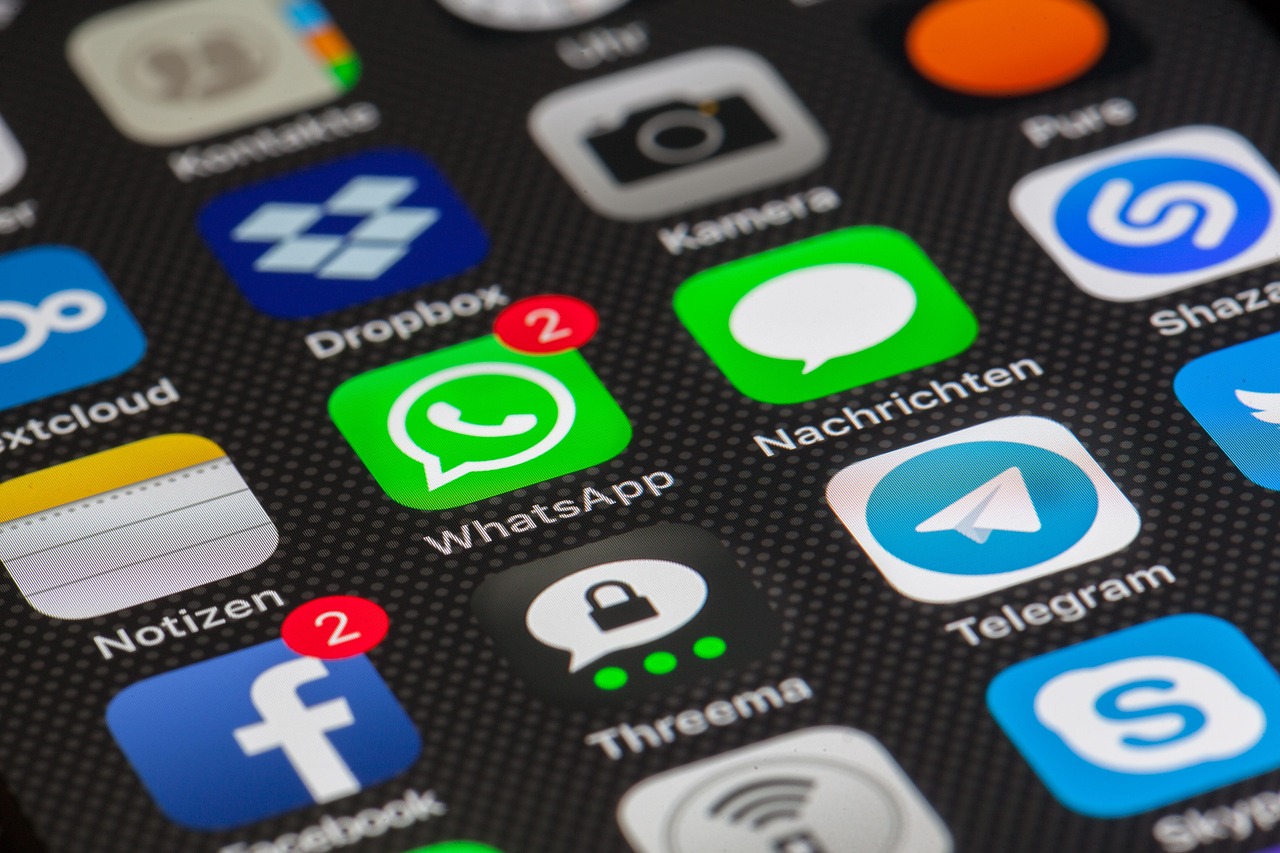
Social media, while offering a platform for connection and self-expression, has become a significant source of stress and anxiety for many women.
Constantly comparing oneself to others and seeking validation through likes and comments can lead to feelings of inadequacy and depression.
Studies have shown that women are more likely to experience adverse effects from social media use, including decreased happiness and increased anxiety.
Conclusion
Modern society has brought about significant advancements for women, but it has also introduced new challenges that affect their overall well-being.
From mental health concerns associated with birth control pills to the pressure of balancing work, family, and personal aspirations, women today face a complex web of societal expectations.
Addressing these issues requires both individual awareness and collective action to create a more supportive environment in which women can thrive. This diagram highlights key issues affecting women’s mental and physical health, emphasizing the interconnectedness between societal expectations and personal well-being.