

Coffee smells like comfort, feels like energy, and somehow makes mornings less painful. But behind that steamy cup is a world of surprising stories you’ve likely never heard. From its wild origins to quirky science, coffee is way more than just a pick-me-up.
It fuels conversations, powers students through late nights, and has sparked entire cultures. Every sip has a history, a science, and sometimes a little mystery. Let’s spill the beans on coffee facts that will make you look at your morning cup differently.
Coffee Once Caused a Stir
When coffee first spread across Europe, it wasn’t everyone’s favorite. Some leaders thought it was dangerous, claiming it could ruin your health or even your morals. Coffee houses faced bans and protests, which is hard to imagine today with cafes on every corner.
Despite the drama, coffee won the people over and became the hub for ideas, debates, and social life. These early coffee houses shaped the culture we know now, turning a simple drink into a movement. History shows coffee wasn’t just a beverage; it was a revolution in a cup.
Caffeine Is a Clever Trick of Nature
The caffeine in coffee isn’t there just to wake you up; it’s the plant’s defense system. It keeps pesky insects away and even helps pollinators like bees remember the flowers better. So every time you sip, you’re drinking nature’s little survival hack.
Humans noticed it worked on them too, boosting focus and mood. That natural punch of energy became a global obsession, making caffeine one of the most widely consumed stimulants on the planet.
Coffee’s Origins Are Surprising
Coffee originated in Ethiopia, and legend has it that a goat herder discovered it when his goats bounced around after eating the beans. From there, it traveled to Yemen and across the Arab world, slowly making its way to Europe. Its journey is a mix of adventure, culture, and trade.
By the 17th century, coffee was everywhere; cafes were opening in London, Paris, and Amsterdam. People lined up for the hot beverage that would fuel art, politics, and commerce for centuries. Each cup carries a history older than most people realize.
Too Much Coffee Can Be Dangerous

Most of us think a few cups are harmless, but caffeine can be toxic in high amounts. Drinking too fast or too much can cause jitters, racing heartbeats, or worse. Moderation is key to enjoying coffee safely.
Still, science shows that a few cups a day can boost mood, focus, and even heart health. Coffee proves it can be both a comfort and a powerful tool if you respect its strength.
Coffee Can Be Creative
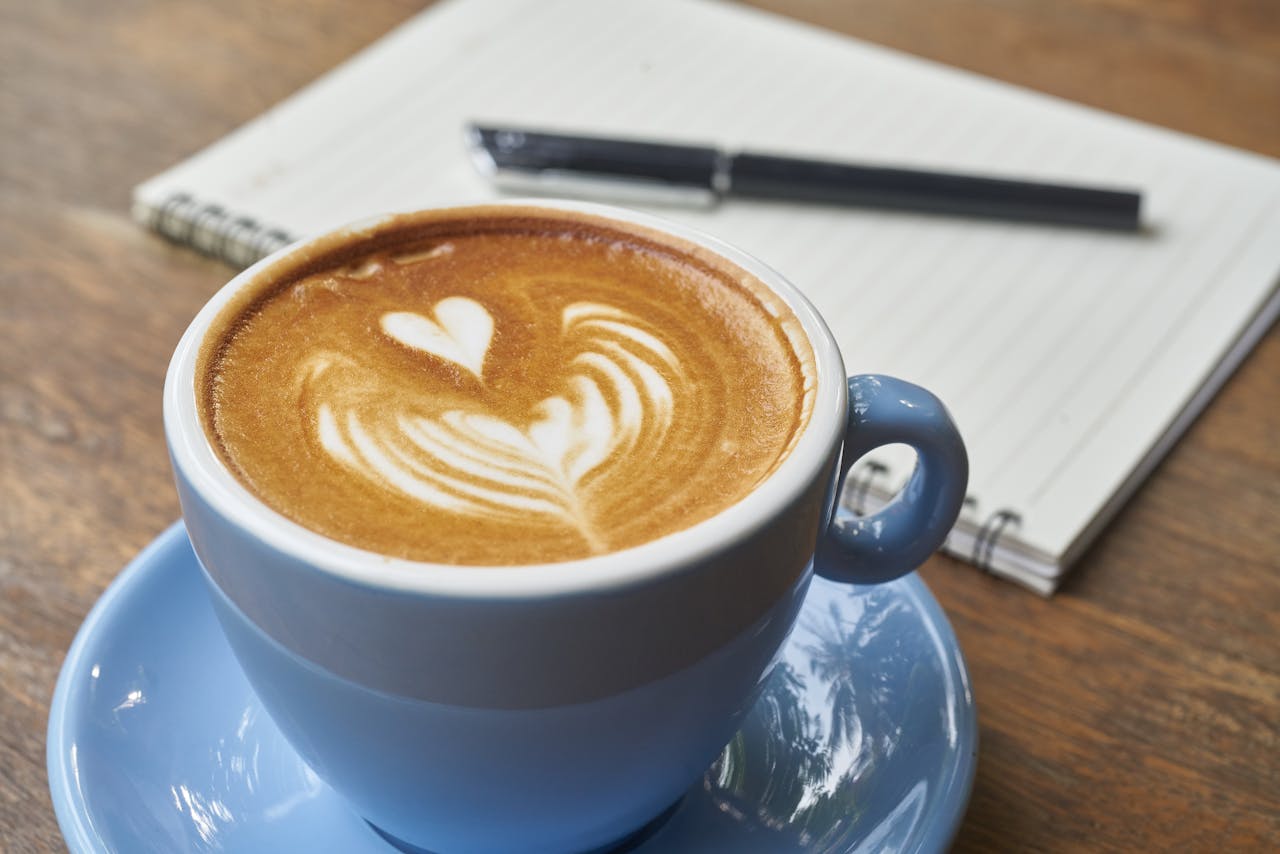
Latte art has turned coffee into a canvas. Baristas worldwide create intricate patterns with milk foam, transforming ordinary drinks into tiny works of art. Your morning latte might just be a masterpiece in disguise.
Beyond aesthetics, coffee has inspired music, literature, and culture. Those tiny beans have a huge impact, proving that coffee touches more than just taste buds; it sparks imagination, too.
Coffee Grounds Aren’t Waste
Once your cup is finished, don’t throw the grounds away. They can be reused for compost, skin scrubs, and even as flavoring in some recipes. Coffee waste has a second life if you know how to use it.
Some creative experiments even turn coffee grounds into biofuel. What starts as a daily ritual can end up powering a car or enriching your garden. That’s a lot of life for such tiny beans.
Coffee Can Change Your Mood

Caffeine boosts alertness and mood, but it can also make you more social. Studies show it helps people focus better on tasks and feel more energized during social interactions. That explains why coffee dates feel so alive.
It even has mild antidepressant effects if consumed moderately. Coffee isn’t just a morning boost; it can subtly shape how you feel throughout the day.
Coffee’s Economic Power Is Massive
Coffee is one of the most traded commodities worldwide. Millions of people rely on it for their livelihood, from farmers to baristas. Its production affects economies and communities, sometimes causing conflicts over resources.
Coffee drives global trade and local economies alike. It’s incredible to think that a simple bean can influence countries and cultures on such a huge scale.
Coffee Isn’t Just Hot
Cold brew, iced coffee, and specialty drinks have become major trends. Brewing methods are constantly evolving, making coffee versatile for every taste. Whether hot or cold, coffee keeps surprising us.
The drink’s adaptability ensures it stays relevant across generations. Every new style brings more excitement to our daily routine and proves coffee isn’t just about caffeine, it’s about experience.
Coffee Connects People

From casual chats at cafes to business deals over espresso, coffee is a social glue. It encourages conversation, collaboration, and even creativity. One cup can start a friendship or spark an idea that changes a life.
Its global reach means coffee connects cultures and communities. Every sip reminds us that the simplest pleasures often have the biggest impact.
Conclusion
Coffee is more than a morning ritual; it’s history, science, culture, and creativity all in a cup. It fuels brains, inspires art, and connects people worldwide.
Next time you hold your mug, remember it’s not just a drink; it’s a story you get to taste.


