10 Medieval Artifacts That Will Make You Say “Whoa”
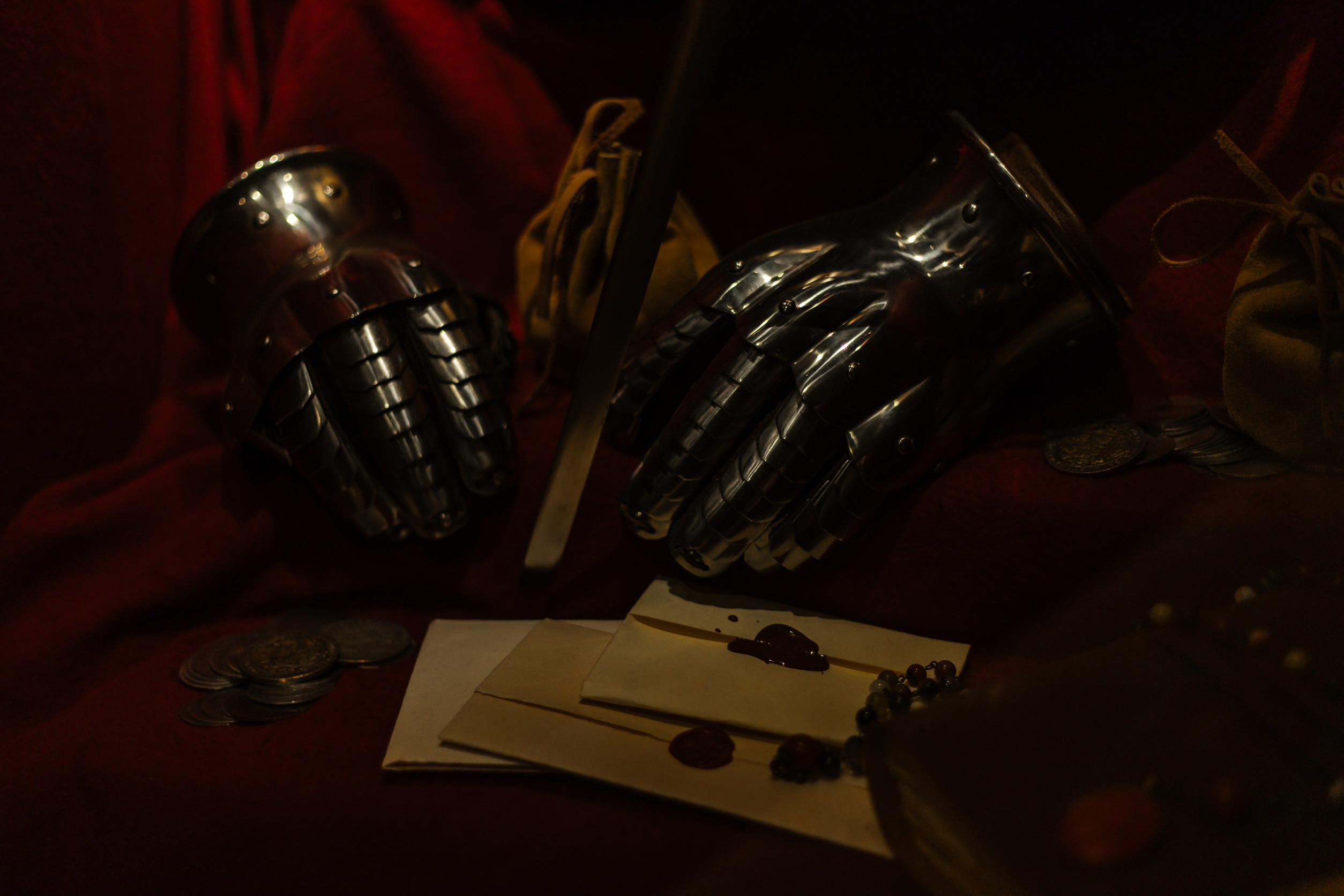
The medieval era is a treasure trove of remarkable and often baffling artifacts, each one offering a unique glimpse into a world of complexity, mystery, and ingenuity. From intricate weaponry to awe-inspiring manuscripts, these relics echo stories of power, culture, and profound craftsmanship.
Let’s dive into some of the most mind-blowing medieval artifacts that continue to make us say ‘Whoa.’
The Shroud of Turin
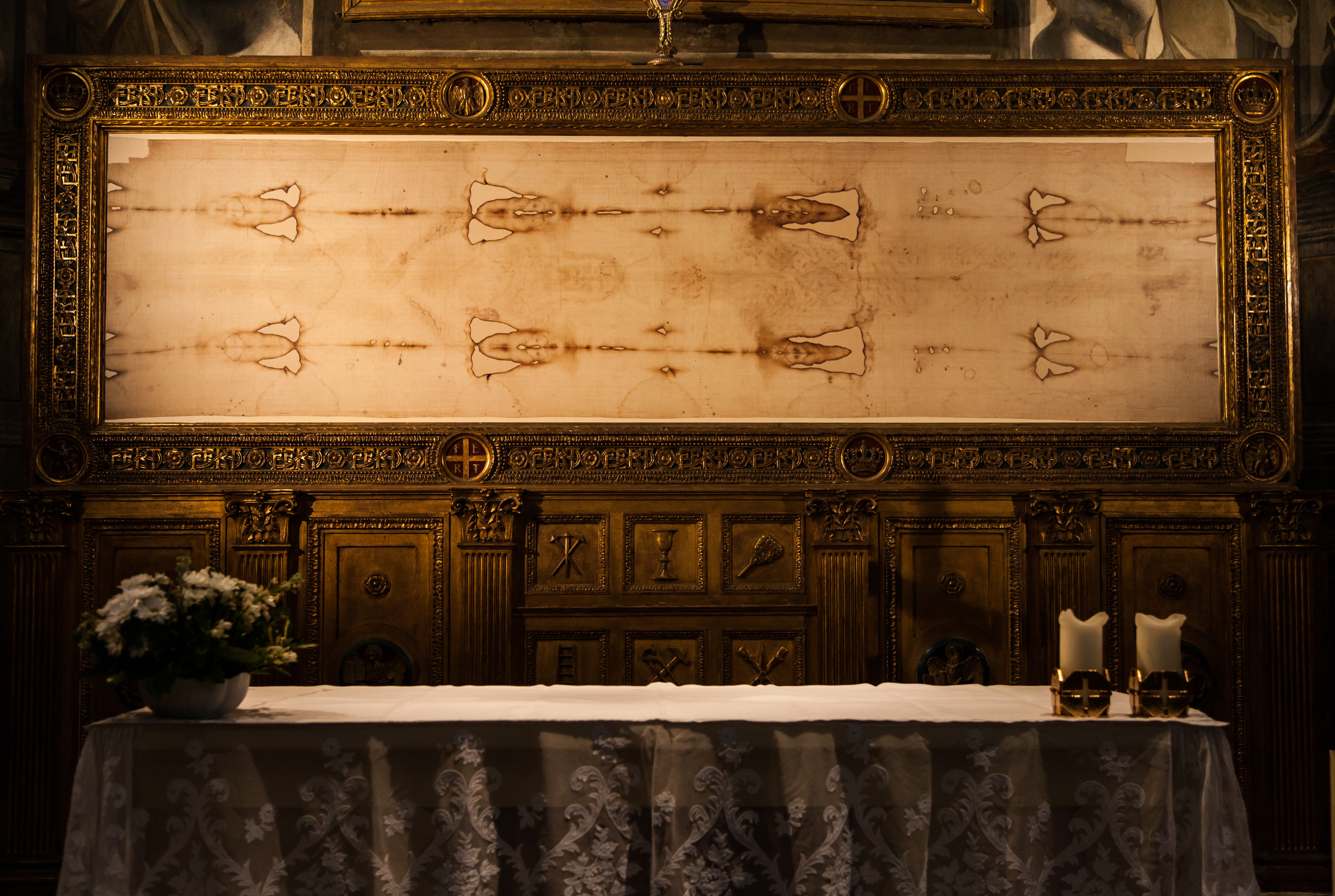
One of the most famous and controversial medieval relics, the Shroud of Turin, is believed by many to be the burial cloth of Jesus Christ. This linen cloth bears the faint image of a man who appears to have suffered crucifixion, with the wounds matching those described in the Gospels. Despite modern scientific analysis suggesting its origins in the medieval period, the mystery of how the image was imprinted continues to fascinate theologians, scientists, and art historians alike.
Whether a divine miracle or a sophisticated medieval forgery, its authenticity remains a subject of debate and intrigue.
The Sword of Saint Galgano

The Sword of Saint Galgano, often called the “Sword in the Stone,” is an extraordinary artifact that seems to mirror the legendary tales of King Arthur. According to legend, Galgano Guidotti, a 12th-century Tuscan knight, thrust his sword into a stone as a symbol of his renouncement of violence and worldly ways. What makes this relic particularly fascinating is that the sword is still embedded in the stone, and the site has become a pilgrimage spot.
The sword itself, preserved for centuries, seems frozen in time, adding to the sense of awe that surrounds it.
The Book of Kells
An unparalleled example of medieval artistry, the Book of Kells is an illuminated manuscript that was created by monks around the 9th century. This manuscript contains the four Gospels of the Christian Bible, but what sets it apart are the intricate illustrations and vibrant colors that decorate every page. The book’s lavish decoration, including scenes of Christ’s life and intricate Celtic designs, reflects the profound religious devotion of the time and the incredible skill of its creators.
It’s housed today at Trinity College Dublin, and its beauty continues to captivate viewers worldwide.
The Winchester Bible
The Winchester Bible is one of the largest and most beautiful surviving examples of English medieval manuscript illumination. Commissioned by Bishop William of Wykeham in the 14th century, this massive tome is adorned with thousands of meticulously painted illustrations that showcase the immense devotion and painstaking labor that went into its creation.
The sheer scale of the project, the precision of the illustrations, and the fact that it was crafted by a team of skilled scribes and artists make it an exceptional piece of medieval history.
The Sutton Hoo Helmet
The discovery of the Sutton Hoo Helmet in 1939 remains one of the most astonishing archaeological finds in Britain. The burial site, dating to the 7th century, belonged to a Saxon king, and the helmet itself is a testament to the extravagant tastes of the Anglo-Saxon elite. The helmet’s intricate design, adorned with garnet cloisonné and gold, speaks of a society that valued not only warrior prowess but also artistry and craftsmanship.
The faceplate, which once covered the wearer’s face, is a captivating sight, showing a fierce warrior’s visage. This piece of history is not just an artifact but a window into the warrior culture of early medieval England.
The Nuremberg Chronicles
One of the most significant early printed books, the Nuremberg Chronicles, published in 1493, is a stunning example of medieval woodcut artistry and historical documentation. It chronicles the history of the world from creation to the 15th century, combining detailed illustrations and historical text. The incredible number of woodcuts, which are highly detailed and vivid, made it an important work during the early days of printing.
Today, the Nuremberg Chronicles stands as a monumental achievement of medieval craftsmanship and a testament to the flourishing of the Renaissance printing press’s flourishing.
The Reliquary of Sainte-Foy
This stunning medieval artifact, the Reliquary of Sainte-Foy, holds the remains of Sainte Foy, a 4th-century Christian martyr. Crafted in gold and adorned with jewels, this reliquary is both a religious artifact and a fine example of medieval artistry. The reliquary is said to have miraculous powers, drawing pilgrims from all over Europe to the abbey at Conques in southern France.
The sheer opulence of the reliquary, crafted in gold and adorned with precious stones, underscores the sacred importance of relics during the medieval era.
The Bayeux Tapestry
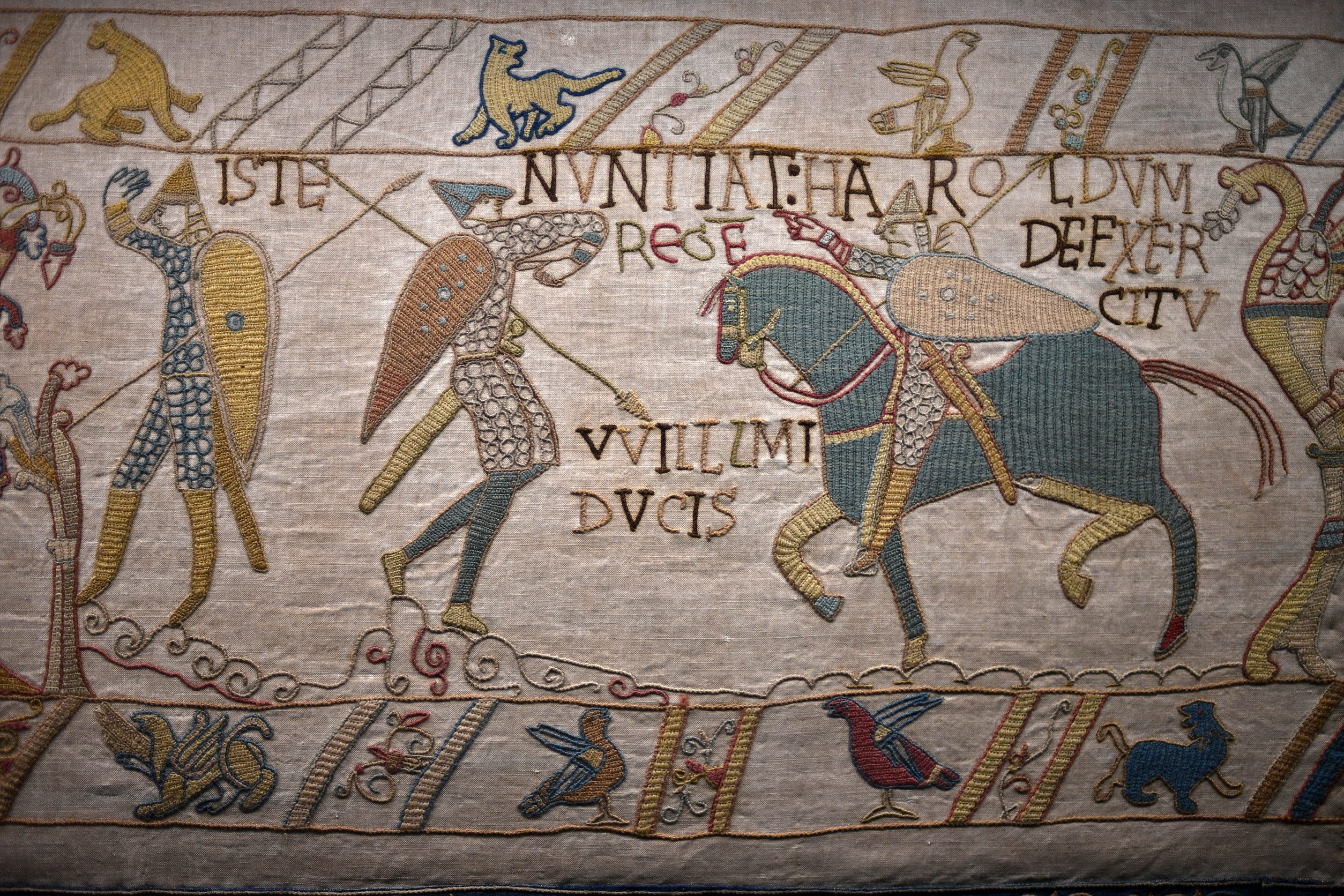
The Bayeux Tapestry is not technically a tapestry but an embroidery, a monumental work of art that spans 230 feet in length. Created in the 11th century, it depicts the events leading up to the Norman Conquest of England and the Battle of Hastings. This vibrant piece of cloth, which is a masterful blend of history and art, tells the story of William the Conqueror’s invasion through an intricate series of images.
The tapestry’s detailed depiction of medieval life, including battle scenes, ships, and horses, provides invaluable insights into the period and remains one of the most iconic artifacts of the medieval era.
Charlemagne’s Crown
The Iron Crown of Lombardy
Conclusion
Medieval artifacts have the uncanny ability to transcend time, sparking awe and wonder in those who encounter them. Whether they are relics of religious devotion, symbols of royal power, or exquisite works of art, these objects bring the medieval world to life in ways that no history book can match.
From the enigmatic Shroud of Turin to the intricate Bayeux Tapestry, these artifacts not only tell the story of their time but also serve as reminders of the remarkable craftsmanship and creativity of the medieval people who made them.