10 Medical Myths That Can Seriously Harm Your Health

Medical myths spread fast because they sound like “common sense.” But medical myths can lead to bad choices, waiting too long to get help, training the wrong way, or ignoring real danger. I prefer plain facts that help me act quickly and safely.
Medical myths about hypothermia
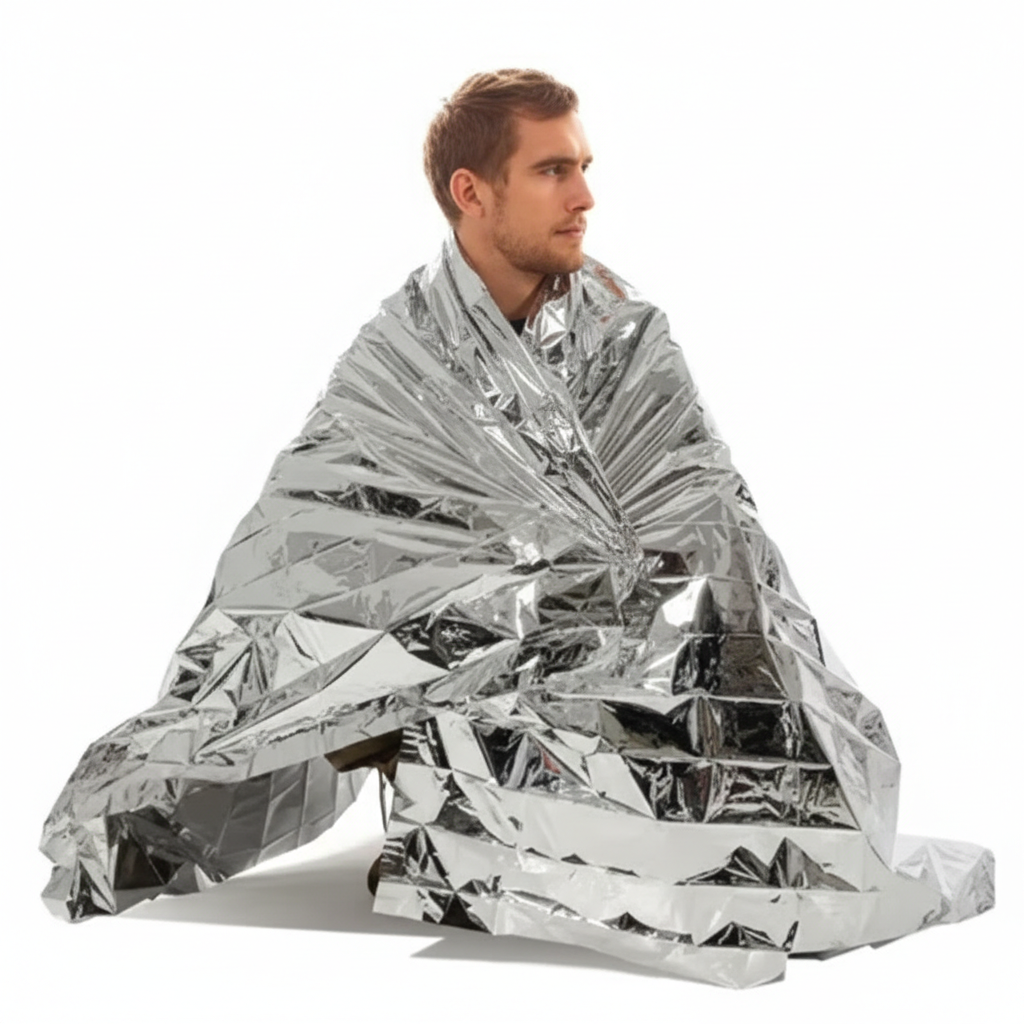
One of the most dangerous medical myths is that hypothermia only happens in snow or ice. Hypothermia means your core body temperature drops too low. That can happen in mild weather if your body loses heat faster than it can make it.
- You swim (even in “not that cold” water), then sit in the wind while wet.
- You hike in the rain, your clothes stay damp, and you stop moving.
- If you fall into a river, lake, or ocean, the water pulls heat from you quickly.
- You’re exhausted, hungry, dehydrated, or injured, and your body can’t keep warm.
Shivering, numb hands, slurred speech, clumsy movement, confusion, extreme tiredness.
What do I do fast?
Get dry, get out of the wind, add warm layers, drink warm fluids if alert, and get medical help if symptoms are serious. This is why I don’t follow medical myths about weather being “safe.”
Medical myths about salt

- nerve signals
- muscle function
- fluid balance
- blood pressure control
The real issue is how much salt you get and where it comes from. Many people get too much sodium from processed foods (such as chips, fast food, and packaged meals). But some people, especially active people who sweat a lot, can feel weak, dizzy, or crampy if they cut back on sodium too much.
When can salt be a bigger problem?
If you have certain medical conditions (like high blood pressure and kidney issues), you may need a doctor’s plan.
I focus on whole foods, watch processed food intake, and don’t fall for medical myths that treat salt like poison for everyone.
Medical myths about car crashes
This is a serious one. Some medical myths make people believe that if there’s no big cut or broken bone, there’s no danger. But crashes can cause internal injuries that you can’t see.
- internal bleeding
- organ damage
- brain injury (concussion)
- chest trauma
Headache, confusion, vomiting, severe pain, shortness of breath, fainting, worsening stiffness, or abdominal pain.
What’s the safest move?
If the crash was significant, I treat it like a medical event, get checked, especially if symptoms show up later. Medical myths about “no blood, no problem” can delay care.
Medical myths about tarantulas

This is one of those fear-based medical myths. Tarantulas look scary, so people assume they are highly dangerous. Most tarantulas are not medically dangerous to humans.
- sharp pain
- swelling
- redness
What do I do if bitten?
Wash the area, use a cold pack for swelling, and watch for allergic reactions. Seek medical help if breathing problems, severe swelling, or systemic symptoms appear. I don’t ignore bites, but I also don’t follow medical myths that turn every animal into a guaranteed killer.
Medical myths about blindness

- light and shadow
- shapes
- movement
- a narrow field of vision (tunnel vision)
What’s the simple truth?
Vision loss has many types. The word “blind” does not always mean “no sight at all.” This is why I avoid medical myths that oversimplify disability.
Medical myths about ulcers: stress causes ulcers
- H. pylori infection
- frequent use of NSAIDs (like ibuprofen)
Because stress and stomach pain are real, people connect them. But the best help comes from correct causes, not just blame.
What signs make me take ulcers seriously?
Ongoing burning stomach pain, black stools, vomiting blood, unexplained weight loss, and severe nausea.
I don’t self-diagnose with medical myths. I get evaluated because ulcers can bleed and become dangerous.
Medical myths about stretching
A warm-up that includes:
- easy movement to raise body temperature
- dynamic mobility (controlled motion)
- practice of the workout movements (light sets, slow starts)
Stretching can be useful after training or on rest days to build flexibility over time. But the “always stretch first” rule is one of those medical myths that sound smart but sometimes backfire.
Medical myths about bras
This is a modern, anxiety-driven medical myth. The story usually says bras block lymph flow and trap “toxins.” That sounds scientific, but it doesn’t hold up as the myth claims.
What I do instead of worrying about this myth:
I treat bras as a comfort issue. If something hurts, digs in, or irritates my skin, I change it. But I don’t treat bra style as a cancer switch.
Knowing personal risk, following screening guidance, and talking to a professional if something feels wrong. Medical myths can distract from real prevention steps.
Medical myths about heart attacks
- medically guided rehab
- gradual activity
- safer movement plans
This must be individualized. But the “never exert yourself again” story is often wrong.
The truth I trust:
Safe, guided movement often supports recovery. Long-term inactivity can weaken the heart and body. This is why I’m careful with medical myths that equate rest with safety in every situation.
Medical myths about spinal injuries
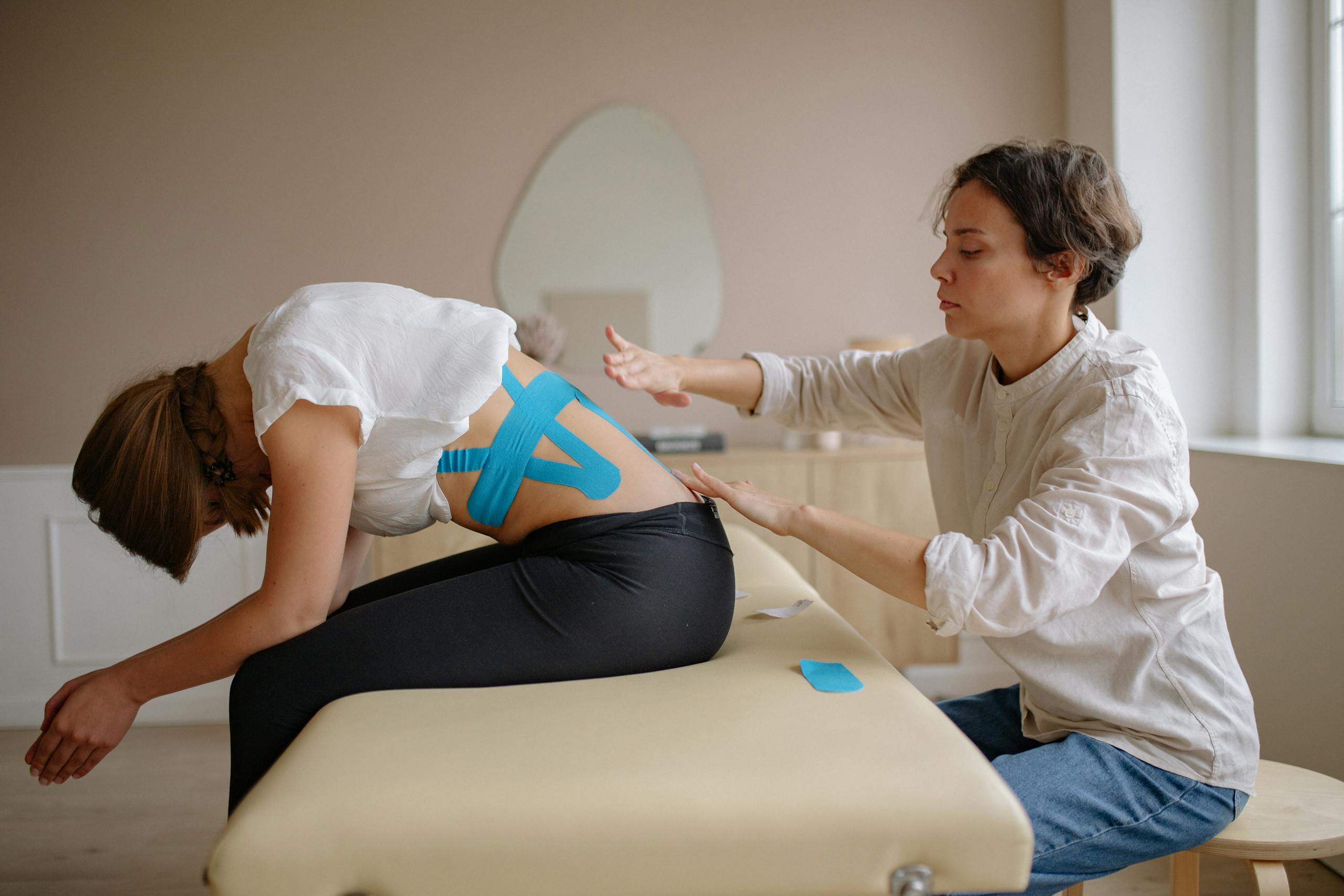
Because hope and action matter. Early medical care, rehabilitation, and assistive support can make a major difference in outcomes.
What’s the simple truth?
Spinal injuries vary widely. Recovery can be partial or significant depending on the type, location, and severity. I don’t accept medical myths that turn complex medical situations into hopeless certainties.
Conclusion
I don’t fight medical myths because I enjoy arguments. I fight medical myths because they change real decisions, sometimes in the worst moment, when clarity matters most. When a person believes hypothermia only occurs in cold weather, they may ignore dangerous symptoms in mild weather.
When someone believes “salt is always bad,” they may cut back on electrolytes too much and feel weak or dizzy. When a crash victim looks okay, medical myths can convince people to skip evaluation, even when internal injury is possible. And when “blindness” is treated like one single condition, misunderstanding and stigma grow.
The biggest problem with medical myths is how they talk in absolutes. The human body doesn’t run on simple slogans. It runs on balance, context, and timing. Most health questions are better phrased than “always” or “never.” The better version sounds like this: It depends on the situation, the person, and the risk. That might not be catchy, but it’s true, and truth is useful.
When I want a practical approach, I keep it simple. I watch for warning signs. I treat major impacts and strong symptoms seriously. I warm up with smart movement rather than ritual stretching. I avoid fear-based claims that blame everyday items for complex diseases. I value credible sources over viral posts. And I remember that medical myths often feel comforting because they’re easy, but easy is not the same as safe.
If I could replace every medical myth with one habit, it would be this: when something sounds too certain, I slow down and check the basics. What’s the real mechanism? What do reliable health institutions say? What are the warning signs that demand urgent care? That mindset doesn’t just “debunk myths.” It protects real people in real life, and that’s the only outcome that matters.