10 Innovative Survival Methods: How People Endured Harsh Winters Before Electricity

Before the advent of electricity, people faced the daunting challenge of surviving the bitter cold of winter in areas where temperatures could plummet well below freezing.
From the remote villages of the Arctic Circle to the icy mountains of Europe, humanity had to develop creative ways to stay warm and safe during long winters.
This article delves into some lesser-known methods that helped our ancestors brave the harshest conditions before the comfort of modern technology.
The “Three-Dog Night” – How Canine Companions Kept People Warm
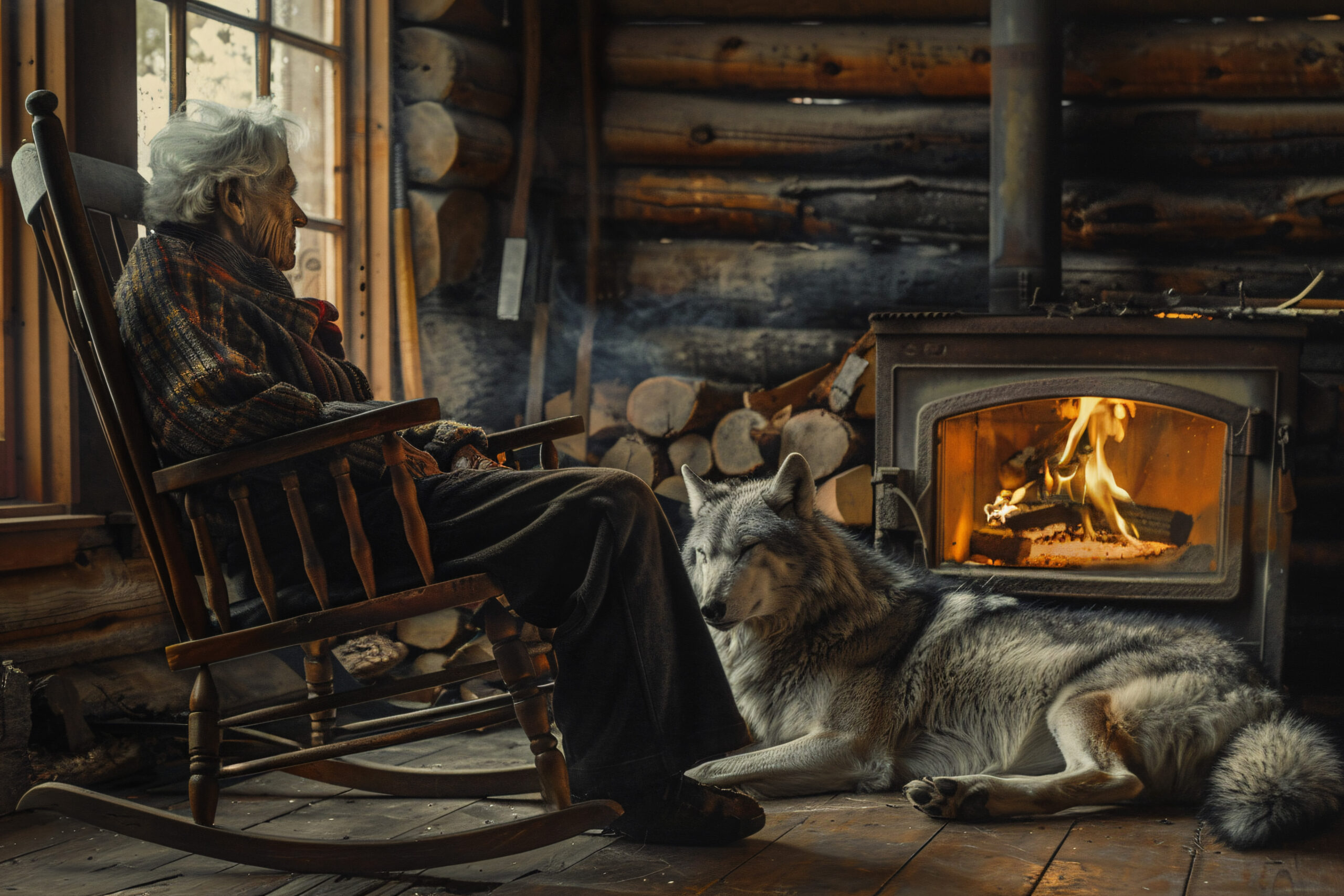
One of the most unique survival strategies involved using dogs as heat sources. In certain cold climates, particularly in North America and parts of Europe, the phrase “three-dog night” was coined to describe extreme cold.
The concept was simple: when temperatures dipped so low that firewood was scarce, people would bring their dogs into bed for warmth.
Saunas – The Finnish Tradition of Warming Body and Soul
Saunas have been a vital part of Finnish culture for over 2,000 years, providing both physical warmth and spiritual relaxation during the long, cold winters.
Early saunas were built into embankments and heated with stones over a fire, and as the years went by, they evolved into the wooden structures we know today.
The heat of the sauna would warm the body enough that, when a person emerged, they could retain that heat for a long time even in the coldest of conditions.
Heavy Curtains and Tapestries – Insulating Your Home from the Elements
Before the days of central heating, insulating homes against the cold was a necessity. Curtains and tapestries served as an effective barrier against drafts and cold air seeping through windows and doors.
Early examples of curtains date back to ancient Egypt, where animal hides were hung to shield homes from cold winds.
In medieval Europe, large tapestries adorned the walls of castles, providing insulation from the cold while enhancing the space’s aesthetic beauty.
Animal Dung – A Surprisingly Effective Fuel Source
While animal dung might not be the first thing that comes to mind when thinking about heating, it was an invaluable resource for many cultures. In regions where wood was scarce, dried animal dung, particularly that of cows and horses, was used as a fuel.
Soapstone – The Ancient Stone Heater
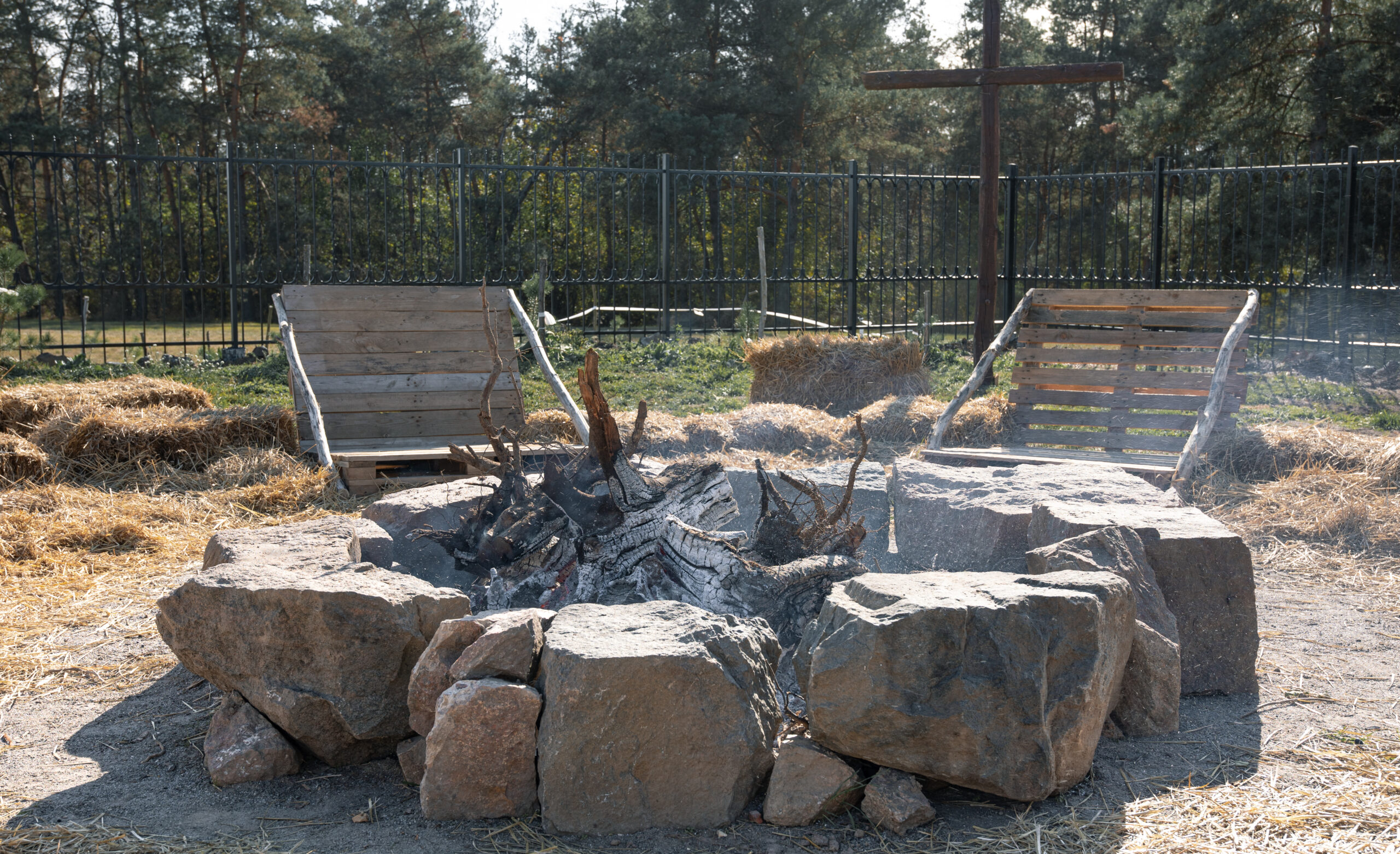
Soapstone, a dense and heat-retaining stone, played a pivotal role in the survival of people in cold climates.
Native Americans first used soapstone to create cooking bowls, but by the 19th century, it was being used as a warming agent. People would heat soapstone by the fire and then place it in their beds to keep warm throughout the night.
Subterranean Homes – Building Homes Underground for Natural Insulation
In Iceland and other cold regions, people developed subterranean homes to shield themselves from the harsh winter temperatures. These homes, built partially or entirely underground, were insulated with layers of turf and stone, creating a natural barrier against the cold.
Passive Solar Heating – Harnessing the Power of the Sun
Long before modern solar panels, people discovered the benefits of passive solar heating. Ancient Chinese cultures, as early as 4000 BC, designed their homes with southern-facing doors to maximize exposure to the sun’s warmth during the winter.
Composting Heat – Using Decomposing Matter for Warmth
Farmers in China and other parts of the world have long used composting to extend the growing season and provide warmth during the cold months. By digging trenches and filling them with manure and organic matter, they could generate enough heat to warm the soil and extend the planting season.
Hood Chairs – A Unique Approach to Personal Warmth
The hood chair, originating in 16th-century France, was designed for porters who worked in drafty areas of homes, particularly near doors or windows. The chair had a high back and a hood that shielded the occupant from the cold air.
Made from wood, wicker, or sometimes velvet, these chairs would retain heat, making them ideal for sitting near a fire during the cold winter months.
Though they are no longer commonly used, the concept of creating personal insulation through furniture design is a fascinating example of how our ancestors found practical solutions to winter’s challenges.
Hibernation – Did Our Ancestors Hibernate to Survive the Winter?

One of the most surprising theories about human survival during winter involves hibernation. Evidence suggests that early hominids may have entered a metabolic hibernation-like state during the winter months to conserve energy and survive the extreme cold.
Fossilized Neanderthal bones show signs of stunted growth, suggesting that these early humans may have entered a state of metabolic dormancy, similar to that seen in hibernating animals today.
While this hypothesis is still debated, it offers a compelling glimpse into how our ancestors might have adapted to survive the harsh winters before the invention of modern technology.
Conclusion
By using these inventive survival strategies, our ancestors endured some of the harshest winters on record.
From utilizing the warmth of animals and natural materials to harnessing the power of the sun and the earth, these methods demonstrate the incredible resourcefulness of human beings in the face of adversity.
While technology has certainly made winter survival easier, these ancient practices still offer valuable lessons in sustainability and ingenuity.