10 Incredible Shark Facts Explained
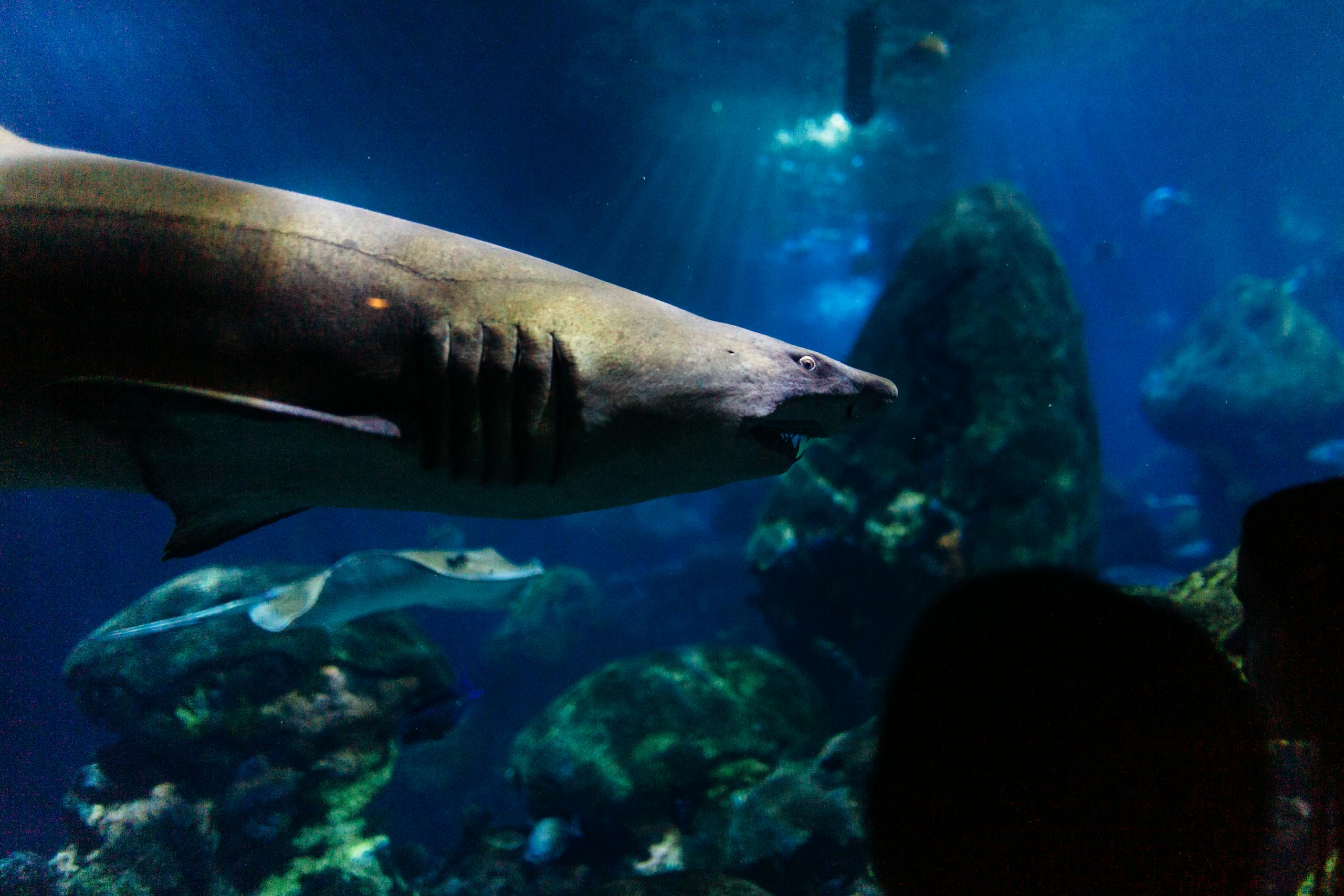
But what if the sharks you think you know are completely different from reality? These extraordinary creatures are far more diverse, fascinating, and often misunderstood than the stories suggest. Prepare to have your mind blown as we dive into some of the most surprising facts about sharks that will change your perception forever.
Greenland Sharks
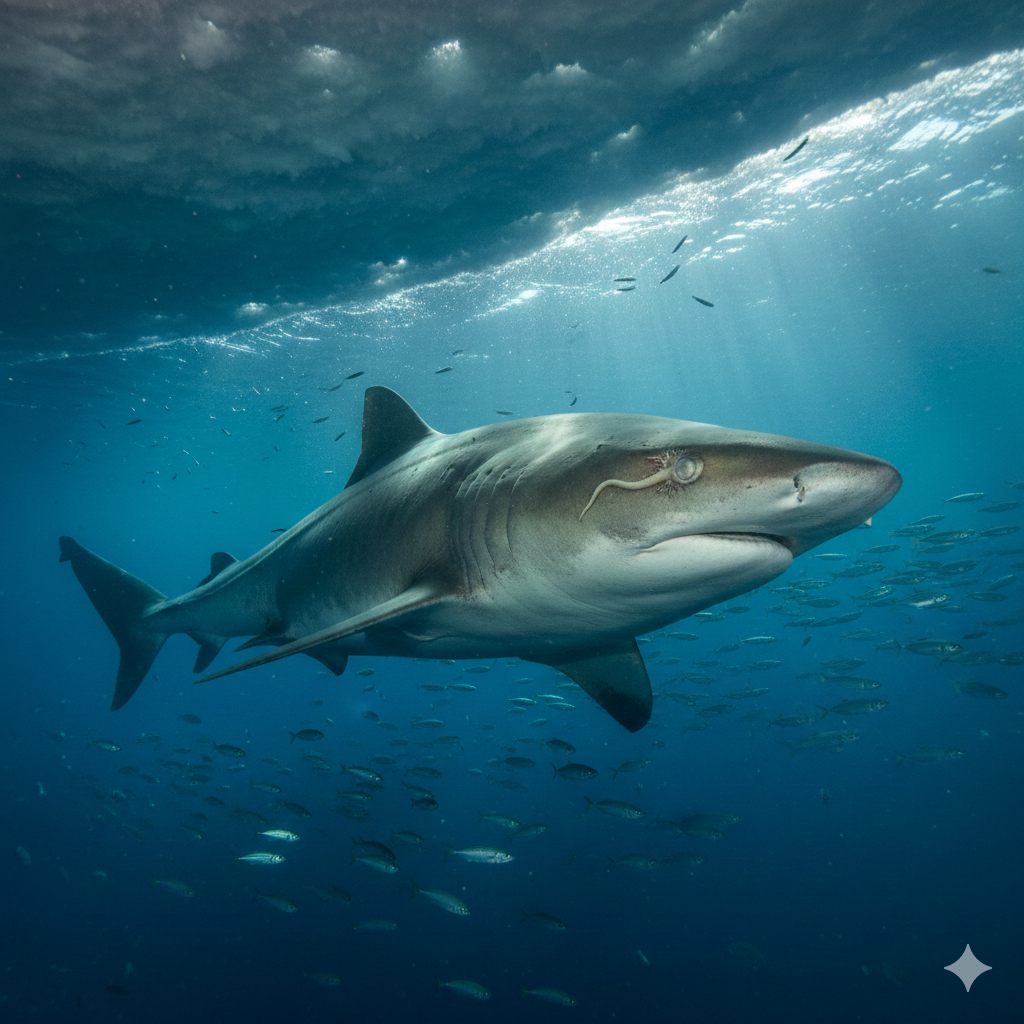
Greenland sharks are the ocean’s old souls, swimming through the icy waters of the North Atlantic and Arctic Oceans. These remarkable creatures can live for centuries, with some individuals believed to be over 400 years old, making them the longest-living vertebrates on Earth. However, there’s a dark twist to their unique biology. Almost all Greenland sharks go blind during adulthood. The culprit? A parasitic crustacean, Ommatokoita elongata, which embeds itself in the shark’s eyes and destroys the cornea.
The Swell Shark
When most creatures are faced with danger, they either fight or flee. The swell shark, however, has developed a brilliant defense strategy: it inflates itself to twice its size. Typically growing to around three feet in length, the swell shark swallows water, causing its body to balloon up. This rapid expansion allows it to wedge itself into rocky crevices, making it incredibly difficult for predators to extract it. The name “swell” comes from this behavior, but the shark can also expel air when removed from water, inflating its body in an attempt to escape human capture.
Megalodon vs. Great White
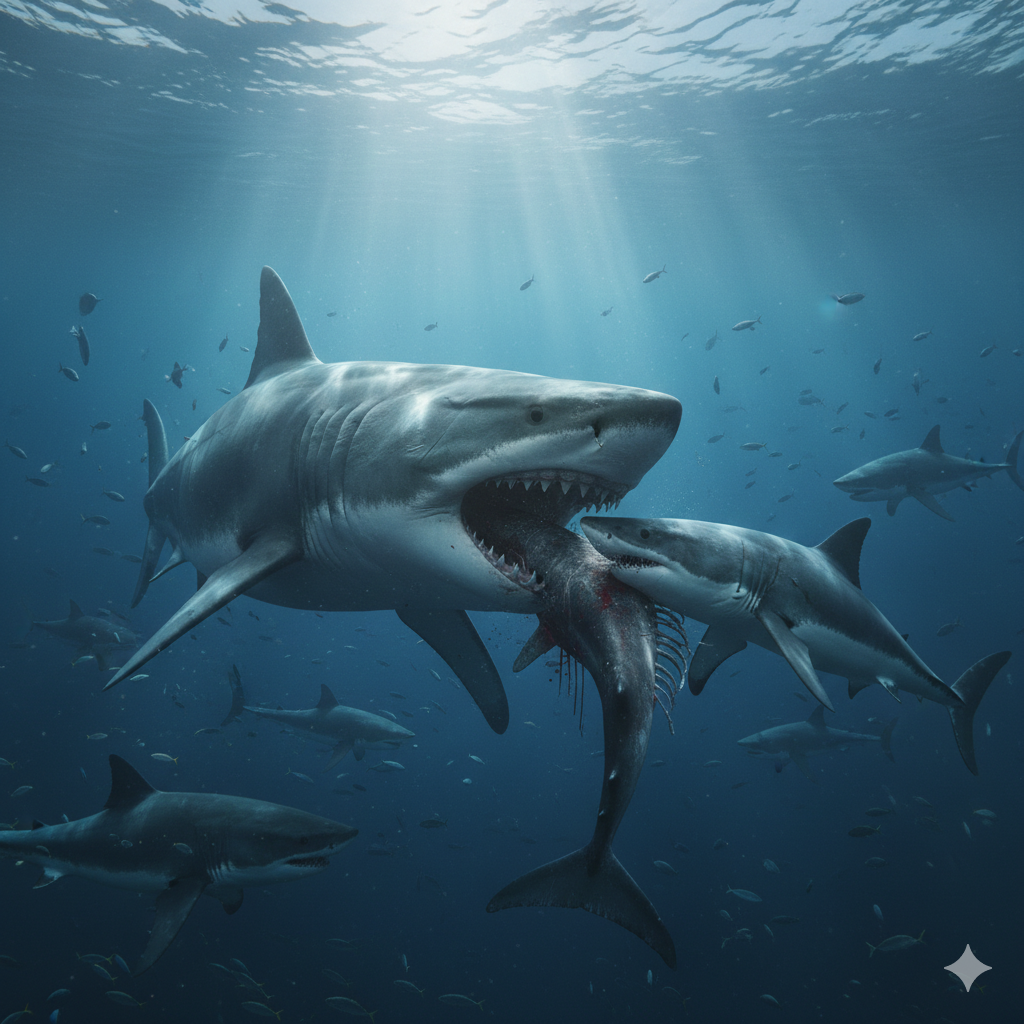
The extinction of the megalodon, the largest shark to ever roam the oceans, remains one of the most intriguing mysteries of marine biology. While it might seem like the megalodon’s sheer size, reaching lengths of up to 60 feet—would make it unstoppable, a recent theory suggests that the great white shark played a key role in driving the megalodon into extinction.
Sharks That Lay Spiral-Shaped Eggs
Sharks, like many species, come in a variety of shapes and sizes. Some sharks give birth to live young, but others, such as the Port Jackson shark, lay eggs. But these aren’t your ordinary, run-of-the-mill eggs. The eggs of the Port Jackson shark are spiral-shaped, a design that serves a very practical purpose.
Cookiecutter Sharks
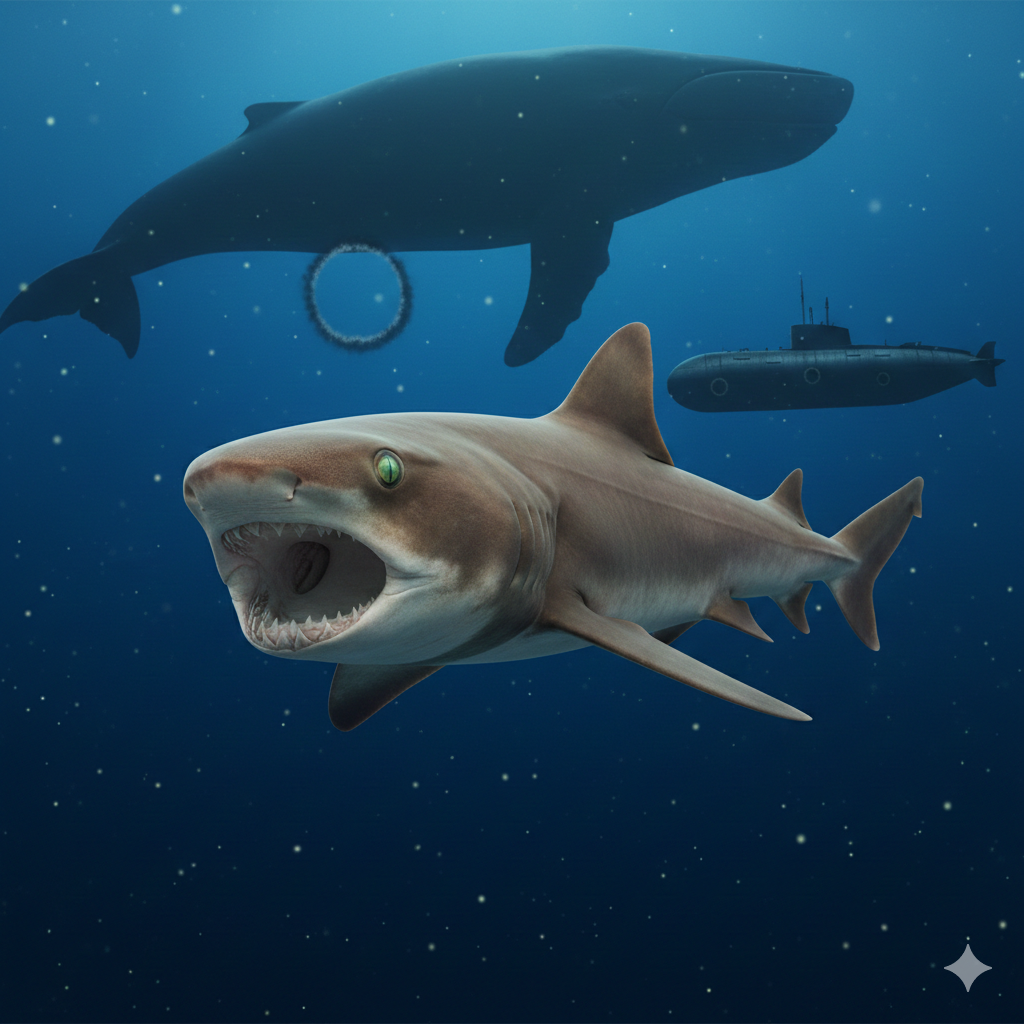
While sharks are often associated with massive predators like the great white, the cookiecutter shark is a much smaller, but no less remarkable, creature. Named for its distinctive, circular bite marks, this shark is capable of taking chunks of flesh from a wide variety of animals, including large whales, dolphins, and even submarines.
The Secret Behind Shark Skeletons
It’s common knowledge that sharks have tough, sharp teeth, but did you know that their entire skeleton is made of cartilage rather than bone? This unique feature gives sharks an advantage when it comes to swimming. Cartilage is lighter and more flexible than bone, allowing sharks to swim faster and with greater agility. This flexibility also helps them open their jaws wider, which is crucial when hunting for prey.
Sharks Can Turn Their Stomachs Inside Out
Sharks are known for their impressive survival skills, but some species have taken things to the next level. The process of gastric eversion, where a shark literally turns its stomach inside out to expel undigestible material, is one of the most bizarre survival mechanisms in the animal kingdom.
Shark Skin
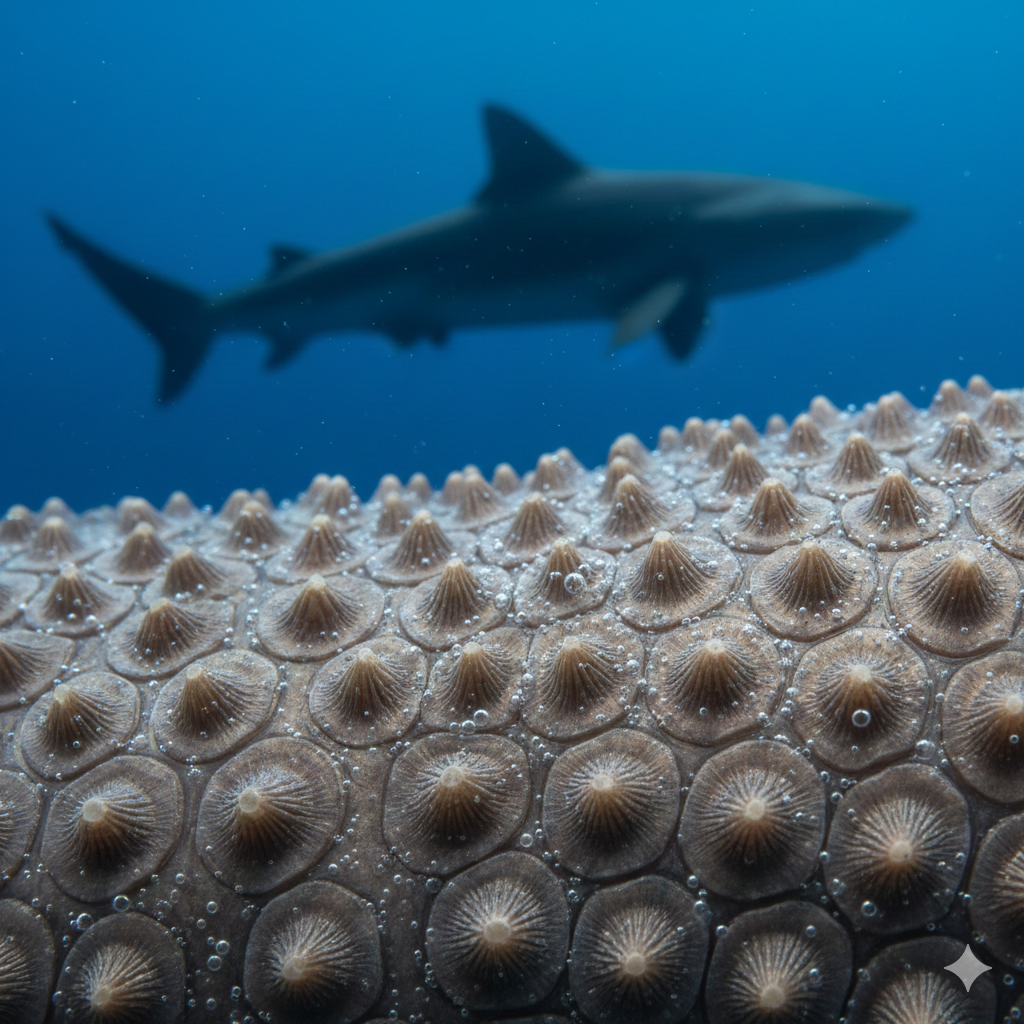
When you think of shark skin, you might imagine smooth, sleek surfaces perfect for cutting through water. But in reality, shark skin is covered in tiny, tooth-like structures called dermal denticles. These microscopic scales are made of the same material as their teeth, dentine, and they serve several important functions.
Sharks Pre-Date Trees
Sharks have been around for an incredibly long time, even before the first trees appeared on Earth. The earliest ancestors of modern sharks date back over 450 million years, making them older than the first known fossilized trees, which were discovered in a quarry in New York and date back to around 386 million years ago.
Epaulette Sharks
Imagine a shark that can walk on land. While this might sound like a creature from a science fiction movie, it’s a reality for the epaulette shark. Found in the coastal waters of Australia and Papua New Guinea, the epaulette shark has evolved a fascinating ability to “walk” on land when necessary.
Conclusion
Sharks are undeniably fascinating creatures, and as we’ve seen, they are far more than the terrifying monsters portrayed in popular culture. From the blind but resilient Greenland shark to the unique walking abilities of the epaulette shark, these animals showcase the incredible diversity and adaptability of life in the ocean. They have survived for hundreds of millions of years, evolving in ways that allow them to thrive in the harshest environments. Far from being mindless killing machines, sharks are intricate, complex, and incredibly well-suited to their underwater world.
Whether it’s their ability to turn their stomachs inside out or their bizarre skin made of tiny teeth, sharks continue to surprise us with their extraordinary traits. As we learn more about these creatures, it becomes clear that they are not just the predators we once thought them to be, they are survivors, innovators, and marvels of the natural world.
Read the Original Article on Crafting Your Home