10 Incredible Animals That Can Clone Themselves
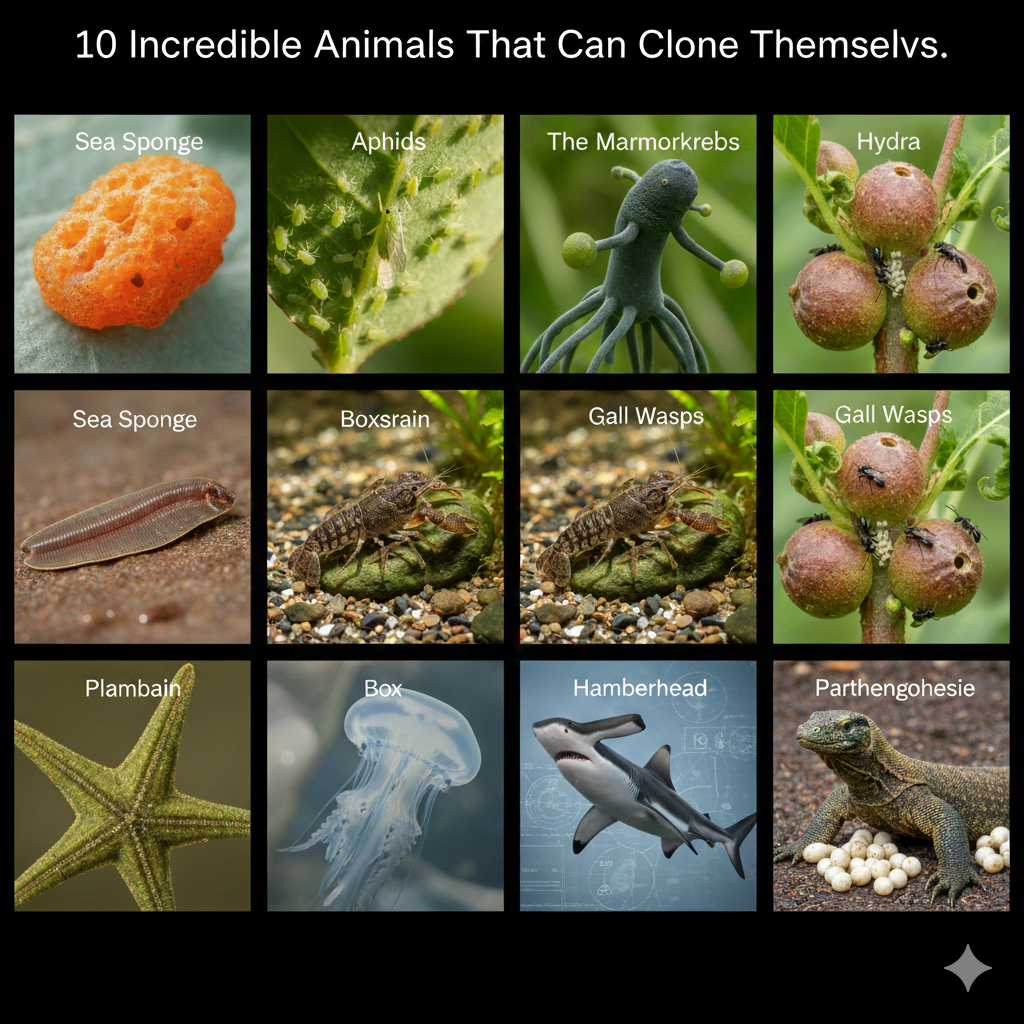
Nature’s astonishing ability to create life is not just confined to the realm of traditional sexual reproduction. There are a number of fascinating species across the animal kingdom that have found ways to replicate themselves without the need for a mate, a process known as asexual reproduction.
From deep-sea dwellers to creatures of the land, these animals demonstrate the remarkable versatility of life on Earth. These beings don’t just survive, they thrive through an extraordinary biological trick that defies traditional reproductive rules. Here, we dive into the ten most remarkable creatures that have the uncanny ability to clone themselves.
The Sea Sponge
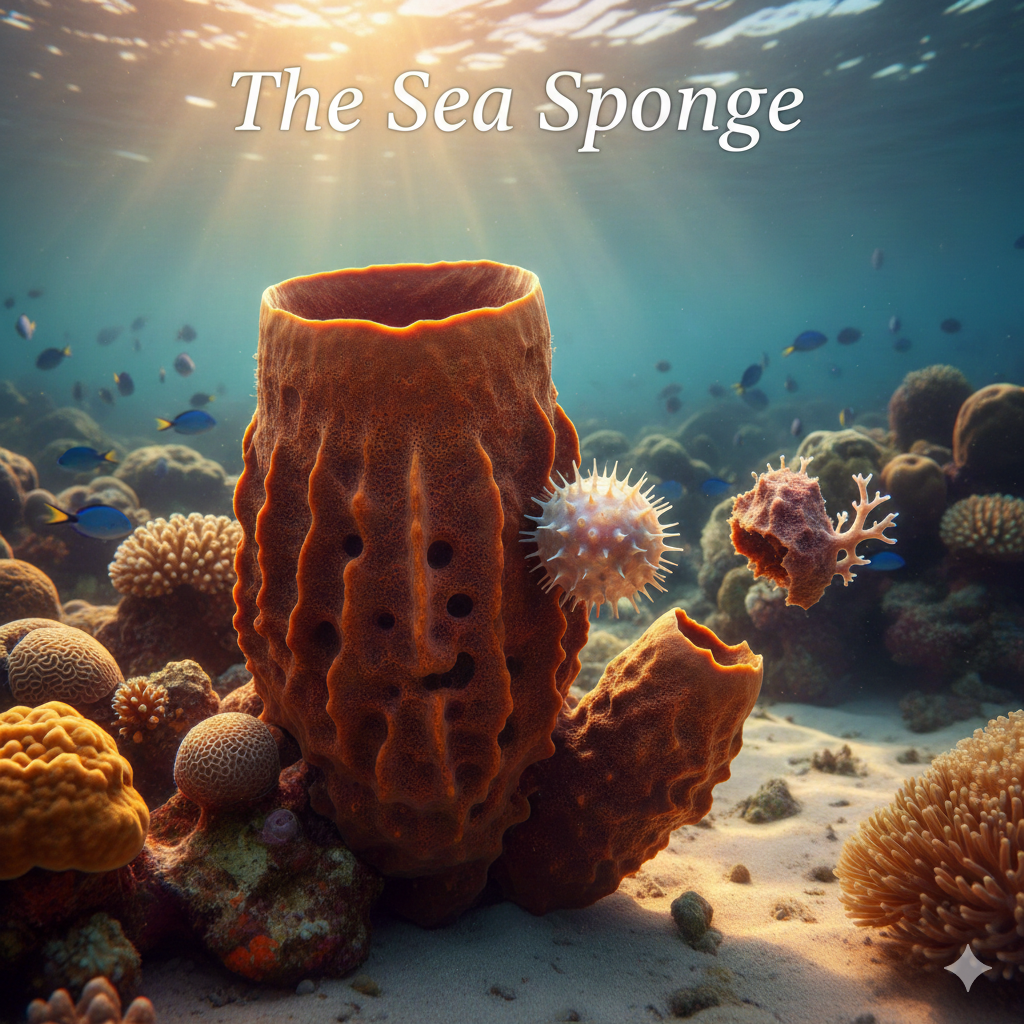
Though often overlooked, sea sponges are among the earliest forms of life that exhibit the amazing ability to reproduce through cloning. Sea sponges have a unique anatomy, they lack organs and have a simple structure. Yet, their cloning abilities are anything but simple. Through a fascinating process known as gemmulation, sponges create gemmules, specialized cells encased in a tough outer layer that protect them from environmental stress. When conditions are right, these gemmules are released, and they mature into new sponges genetically identical to the parent.
The Unseen Danger
Tapeworms are parasitic flatworms that infect the intestines of various animals, including humans. While these creatures are notorious for their health risks, their ability to clone themselves adds another layer of intrigue to their survival strategy. Tapeworms reproduce by shedding segments of their bodies, known as proglottids, which contain hundreds of eggs. These eggs pass out of the host’s body, only to be ingested by another animal. Once inside, the tapeworm grows, matures, and begins the cycle again.
Aphids
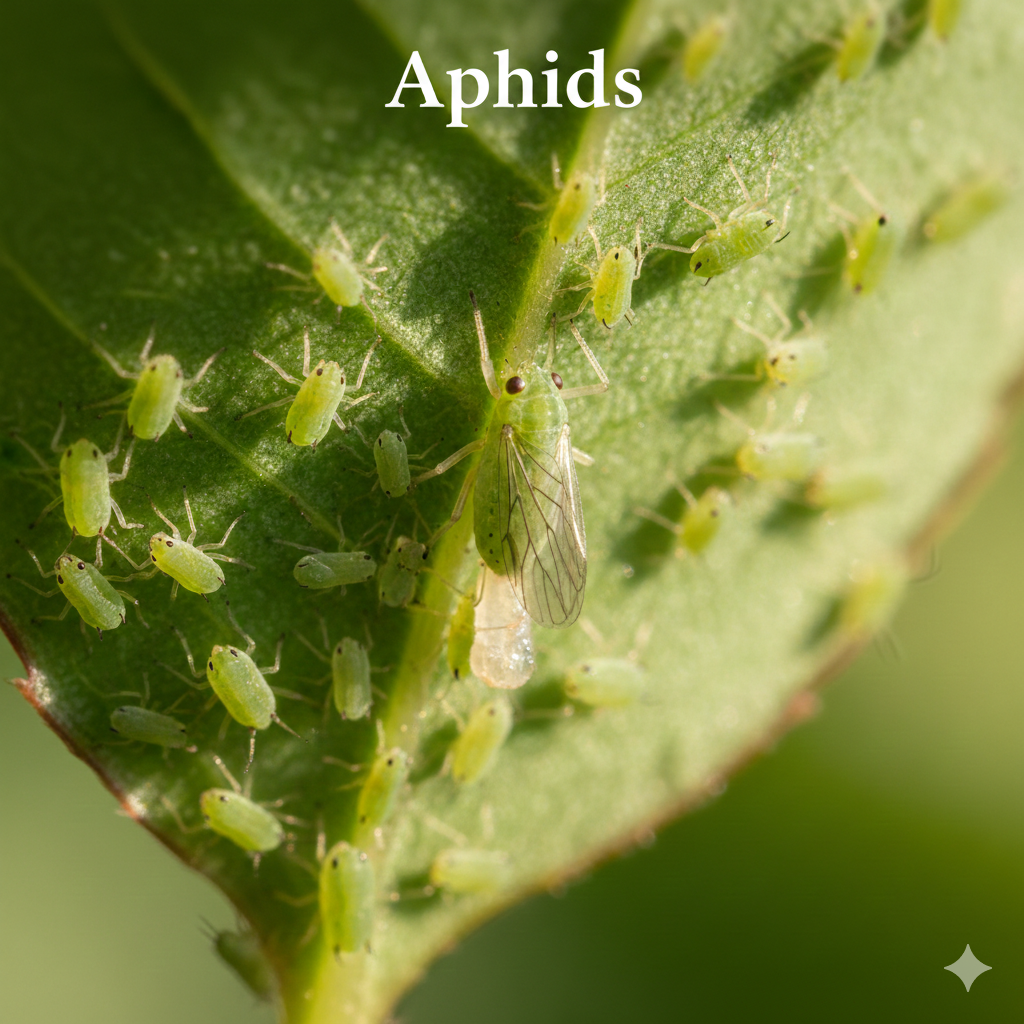
Aphids are a common sight for gardeners, and they are infamous for the damage they cause to plants by sucking out sap. However, their ability to clone themselves is just as remarkable. Aphids can reproduce asexually, producing offspring that are genetically identical to themselves through a process known as parthenogenesis. During peak seasons, an aphid can give birth to up to 12 nymphs per day, and in warm conditions, the numbers can skyrocket, with a single aphid potentially producing over 80 clones in a matter of weeks.
Jellyfish
Jellyfish are one of the most fascinating creatures of the ocean, and their reproductive abilities are equally impressive. Most species of jellyfish are capable of both sexual and asexual reproduction. During the sexual phase of their life cycle, jellyfish release eggs and sperm into the water, where fertilization occurs. However, the real marvel happens when the jellyfish enter the polyp stage, where they reproduce asexually by budding or strobilation.
The Marmorkrebs
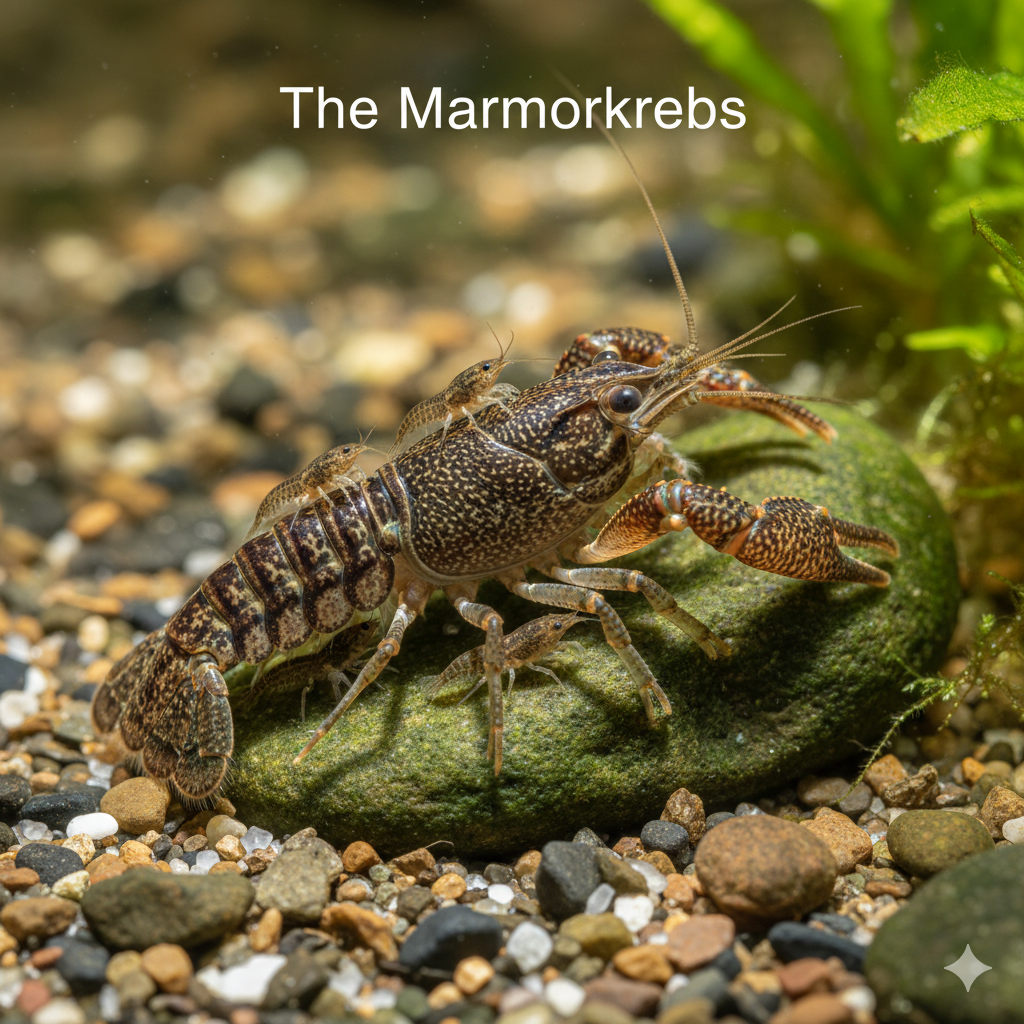
In the world of freshwater species, the marmorkrebs (or marbled crayfish) is a groundbreaking example of asexual reproduction. This crayfish, discovered in the European pet trade in the 1990s, reproduces exclusively through parthenogenesis, meaning that females can produce offspring without the need for males. All marmorkrebs are female, and the offspring are clones of the mother.
Boa Constrictors
In an extraordinary scientific breakthrough, a female boa constrictor was found to have given birth to two litters of offspring without any male contribution. This rare event, discovered in a Missouri conservation center, was made even more remarkable by the fact that the young snakes were genetically identical to their mother. This process, known as parthenogenesis, resulted in all-female offspring with a unique genetic makeup.
Whiptail Lizards
Whiptail lizards, particularly those of the Aspidoscelis genus, provide another compelling example of asexual reproduction. These lizards are known for their unique ability to reproduce without males, and they do so through parthenogenesis. What makes this even more fascinating is that these lizards are not born from a single egg but rather from a pair of eggs—each contributing a full set of chromosomes from the mother.
Gall Wasps
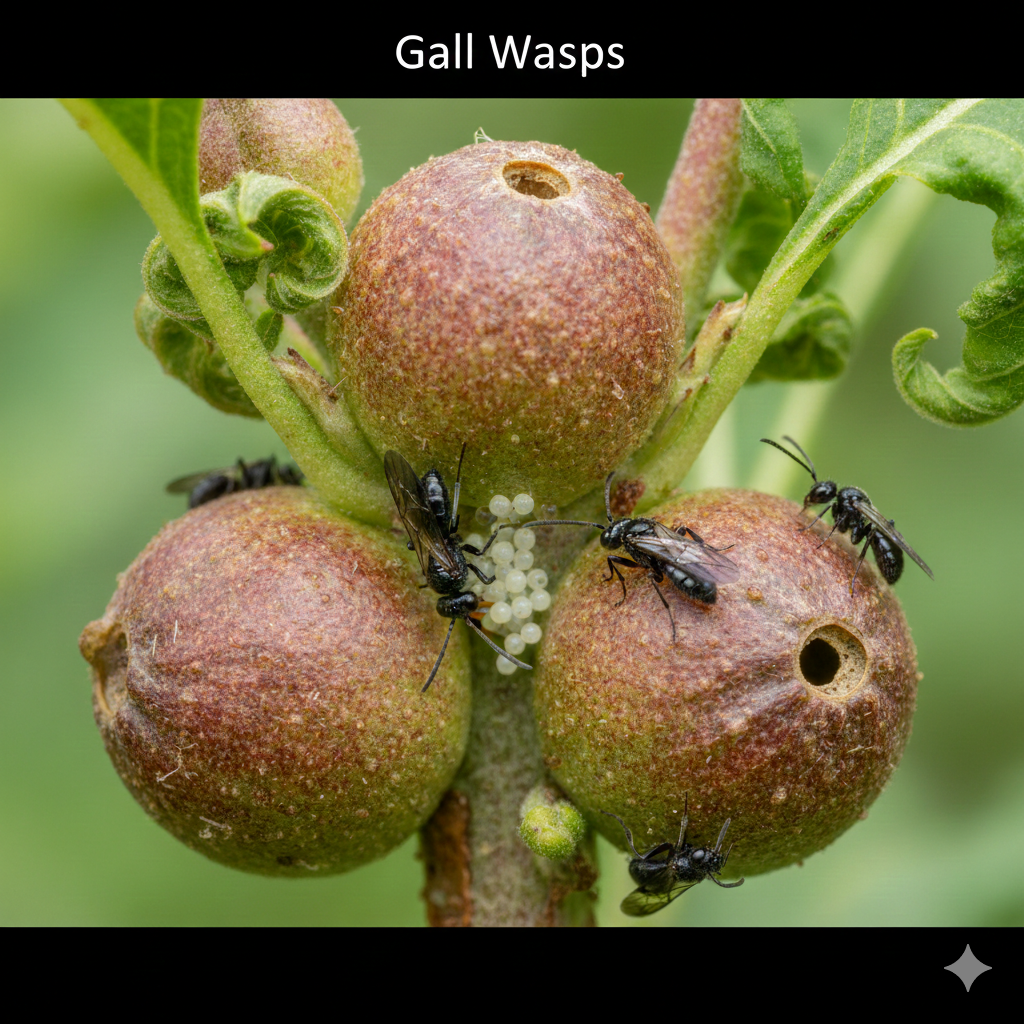
Gall wasps are unique insects that utilize a fascinating strategy to reproduce. The female gall wasp lays her eggs inside a plant or tree, causing the plant to form a protective gall around the eggs. Inside these galls, the larvae develop and grow, eventually emerging as adult wasps. Interestingly, many species of gall wasps reproduce asexually, with females laying eggs that mature into clones of themselves without the need for fertilization.
Komodo Dragons
Komodo dragons, one of the largest and most fearsome reptiles on Earth, were once thought to require both a male and female for reproduction. However, in a surprising discovery at the London Zoo in 2006, it was revealed that female Komodo dragons are capable of reproducing parthenogenetically, creating offspring without the involvement of a male. This ability is particularly useful for these creatures, which live on isolated islands with few potential mates.
Hammerhead Sharks
One of the most extraordinary examples of asexual reproduction in the animal kingdom comes from the hammerhead shark. In 2001, a female bonnethead shark in captivity at the Henry Doorly Zoo gave birth to a female pup that had no genetic input from a male. Genetic tests revealed that the pup was a clone of its mother, with no male DNA present.
Conclusion
The phenomenon of asexual reproduction in animals is truly one of nature’s most remarkable marvels. From the deep oceans to the forest floor, a diverse range of species has evolved the ability to clone themselves, bypassing the need for male fertilization.
This ability not only demonstrates nature’s incredible adaptability but also highlights how life finds ways to thrive even in the most challenging environments. Whether through parthenogenesis, budding, or other forms of cloning, these animals offer a glimpse into the future of reproduction, where genetic diversity may not always be a prerequisite for survival.
Read the Original Article on Crafting Your Home