


This article was originally published on Crafting Your Home. A human contributor also wrote and edited the post.
A spotless home may look like it takes hours of work, but good housekeeping is often less about cleaning harder and more about cleaning smarter.
A few simple routines can help keep clutter under control, keep frequently used areas cleaner, and reduce the amount of deep cleaning you need later. From the kitchen and bathroom to the surfaces you touch every day, these housekeeping habits can make maintaining your home much more manageable.
The Simple Housekeeping Routine That Can Save You Time
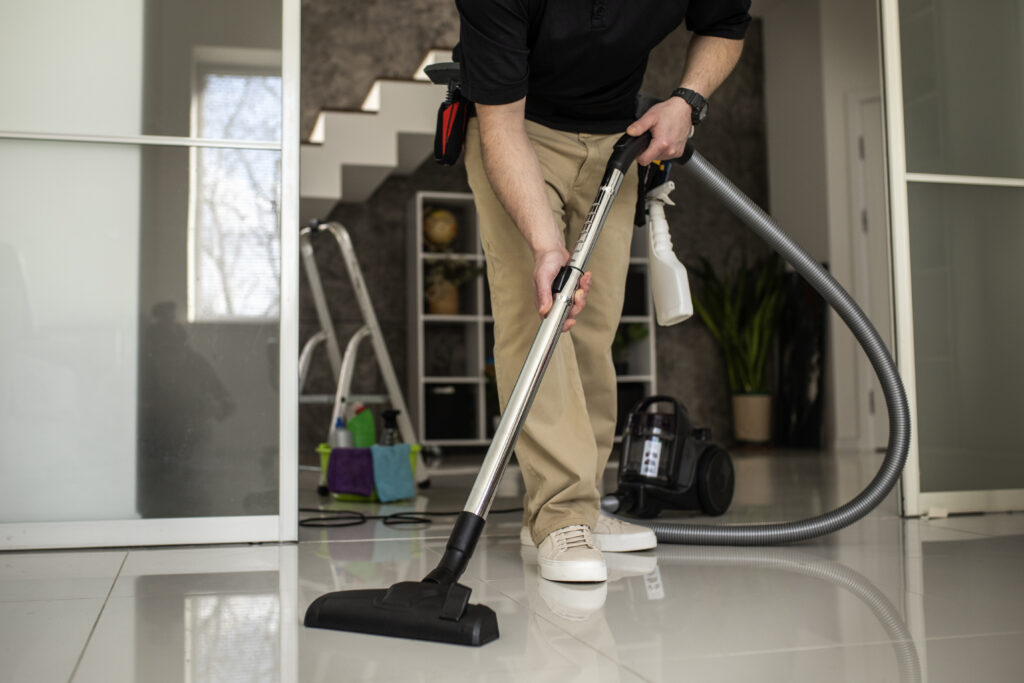
One of the easiest ways to make housekeeping less overwhelming is to stop treating every chore as a major project. Instead, break cleaning into small daily and weekly tasks.
Making the bed, washing dishes, wiping kitchen surfaces, and putting misplaced items back in their proper places can take only a few minutes. Schedule larger chores, including vacuuming, mopping, changing bed linens, and cleaning bathrooms, throughout the week.
The goal isn’t to make your home perfect every day. It’s to prevent small messes from turning into major cleaning jobs.
These Everyday Surfaces Deserve More Attention
Some areas around the house are touched dozens of times a day. Door handles, light switches, faucets, countertops, and appliance handles can all accumulate dirt and germs.
The Centers for Disease Control and Prevention recommends regularly cleaning frequently touched surfaces. In ordinary household situations, cleaning with soap or detergent and water is often enough, while disinfecting may be appropriate when someone is sick or has recently been sick.
Instead of disinfecting every surface in your home every day, focus where it matters most.
Why Cleaning Before Disinfecting Matters
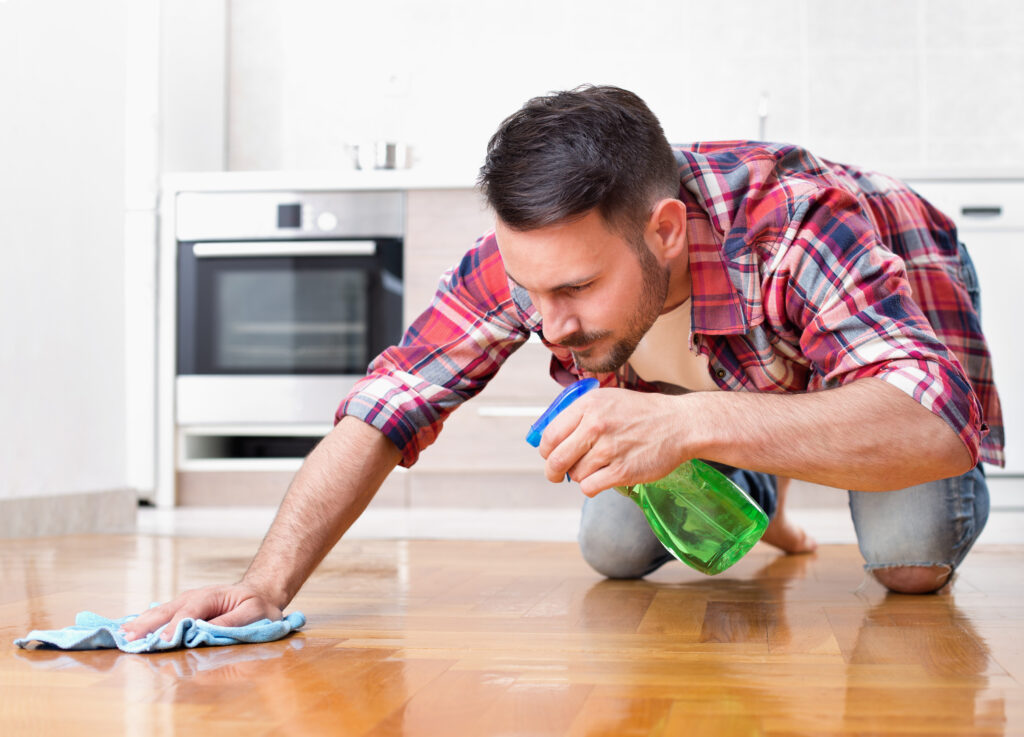
If a surface is visibly dirty, reaching for disinfectant right away may not be the best first step. Cleaning removes dirt and other material from a surface, while disinfecting kills the germs that remain.
According to the CDC’s household cleaning guidance, generally clean surfaces before disinfecting when disinfection is necessary. Following the product label instructions is also important because some disinfectants must remain wet on a surface for a specified period to work effectively.
Your Kitchen May Need a Cleaning Reset
The kitchen can become messy quickly because it combines food preparation, cooking, dishes, and frequent contact with surfaces.
Wipe countertops after preparing food, clean spills promptly, and regularly wash sinks, faucets, and appliance handles. Don’t forget easy-to-overlook areas, such as refrigerator handles and cabinet pulls.
The CDC recommends cleaning food-preparation surfaces with hot, soapy water and sanitizing them when they have been contaminated by raw meat, poultry, or their juices.
A Cleaner Bathroom Starts With Consistency
You don’t necessarily need to wait for your bathroom to look dirty before cleaning it. Regular attention to the toilet, sink, shower, bathtub, mirrors, floors, and frequently touched handles can make the room easier to maintain.
Use products according to their labels and make sure they are suitable for the surfaces you’re cleaning. If you’re using a disinfectant, follow the manufacturer’s instructions carefully rather than assuming that spraying and immediately wiping will provide the intended result.
That Strong Cleaning Smell Doesn’t Mean It’s Working Better
Many people associate a powerful chemical smell with cleanliness, but fragrance isn’t a measure of cleaning effectiveness.
The American Lung Association notes that some household cleaning products can release volatile organic compounds and other chemicals into indoor air. Its guidance recommends checking product labels, improving ventilation, and choosing products with fewer fragrances and irritants when appropriate.
For consumers who want to compare cleaning products, the U.S. Environmental Protection Agency’s Safer Choice program provides information about products that meet the agency’s criteria for ingredients, performance, and other considerations.
Never Make This Dangerous Cleaning Mistake
One housekeeping rule should never be ignored: don’t mix cleaning chemicals.
The CDC warns against mixing bleach with other cleaning products or disinfectants because dangerous chemical reactions can occur. For example, mixing bleach with ammonia can produce toxic gases.
Always read the product label and follow the manufacturer’s instructions. Keep household cleaning chemicals safely away from children and pets, too.
Decluttering First Can Make Cleaning Easier
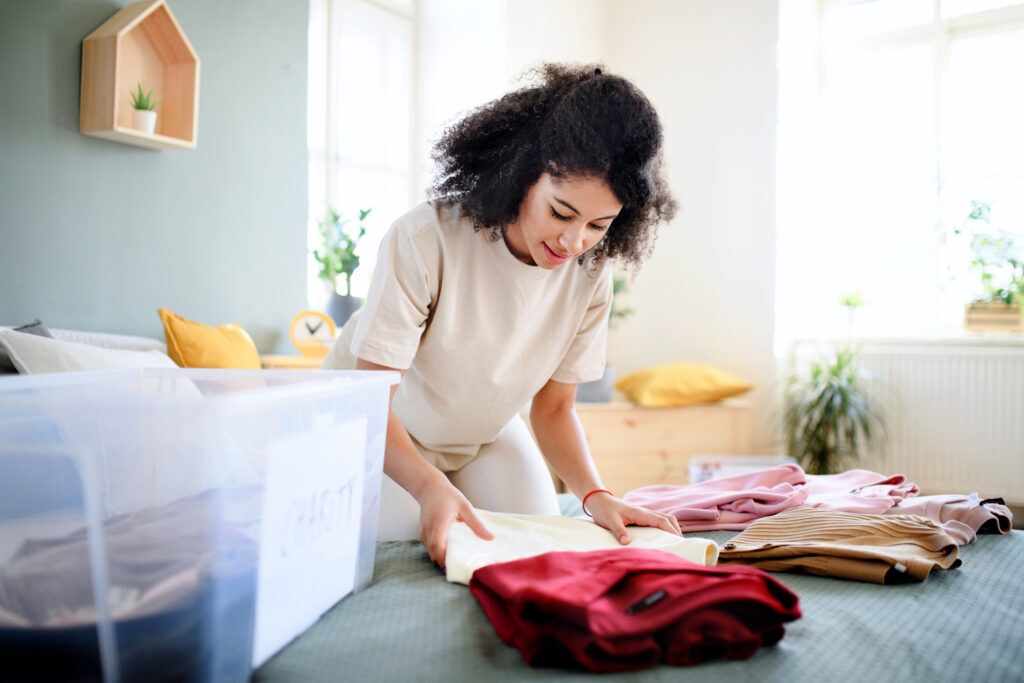
Trying to dust, vacuum, or mop around piles of belongings can make a simple cleaning session feel twice as long.
Before you start, spend a few minutes putting things back where they belong. Put clothes in the laundry, return dishes to the kitchen, and put toys and other belongings back in their usual places.
You don’t have to declutter the entire house at once. Even 10 minutes of tidying each day can help prevent clutter from becoming overwhelming.
Your Home Can Look Clean and Still Need Better Ventilation
Cleaning isn’t only about how your home looks. Indoor air quality also matters.
Some household cleaning products can contribute to indoor air pollutants, and ventilation can help reduce exposure to certain chemicals released during cleaning. The American Lung Association recommends improving ventilation and being mindful of fragranced products and other potential indoor air pollutants.
Opening windows when appropriate and following product instructions can be simple additions to a regular housekeeping routine.
You Don’t Have to Do All the Housework Yourself
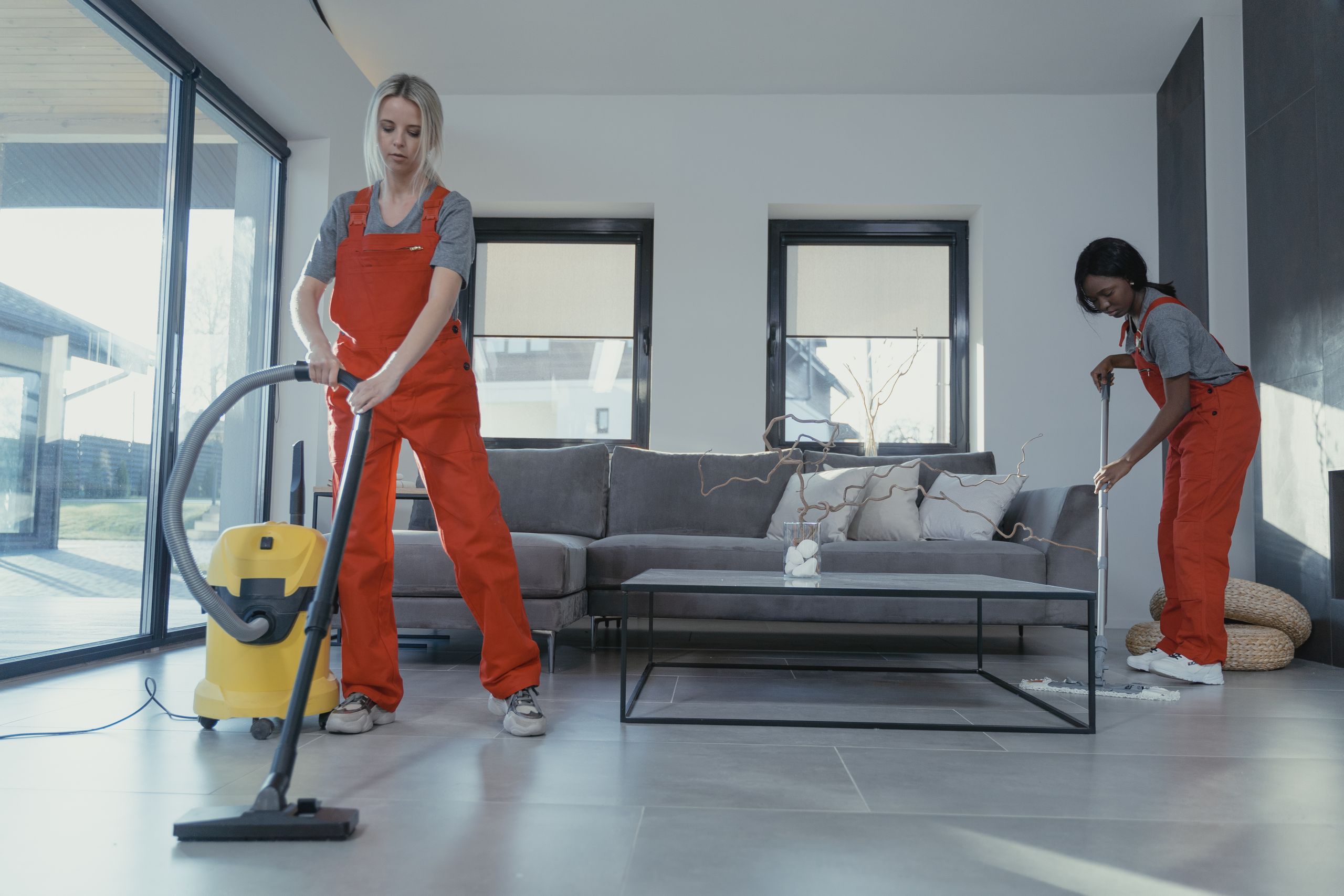
Housekeeping becomes easier when everyone in the household contributes.
Children can help with age-appropriate chores such as putting toys away or making their beds. At the same time, older family members can take responsibility for laundry, dishes, vacuuming, or other household tasks.
Sharing chores doesn’t just reduce one person’s workload. It can also turn cleaning into a normal part of the household routine.
The Housekeeping Habit That Matters Most
A clean home doesn’t require perfection. What matters most is consistency.
Instead of waiting for every room to become messy, tackle small jobs regularly. Clean frequently touched surfaces, stay on top of kitchen and bathroom chores, declutter before cleaning, and use household chemicals safely.
The result is a housekeeping routine that feels less like an endless chore and more like a manageable part of everyday life.
Other post you might like:
- 5 Things You’re Probably Organizing the Hard Way (And What to Do Instead)
- Why Your Home May Still Look Messy After Cleaning and What’s Really Causing It
- Why Your Home Never Feels Fully Clean, Even After You’ve Tidied Up
If you like what you just read, then subscribe to our newsletter and follow us on social media.


