10 Holiday Traditions Born from Poverty: A Glimpse into the Origins of Festive Customs

The holiday season is synonymous with joy, family, and celebration. Yet beneath the festive decorations, sumptuous feasts, and joyful gatherings lies a rich history of holiday traditions shaped by necessity and adversity.
Many of the customs we cherish today were originally born out of poverty, ingenuity, and the resilience of those who faced economic hardships. These traditions remind us of the struggles of the past and of how people found solace and meaning in the simplest things.
The Nativity Scene- A Symbol of Humble Beginnings
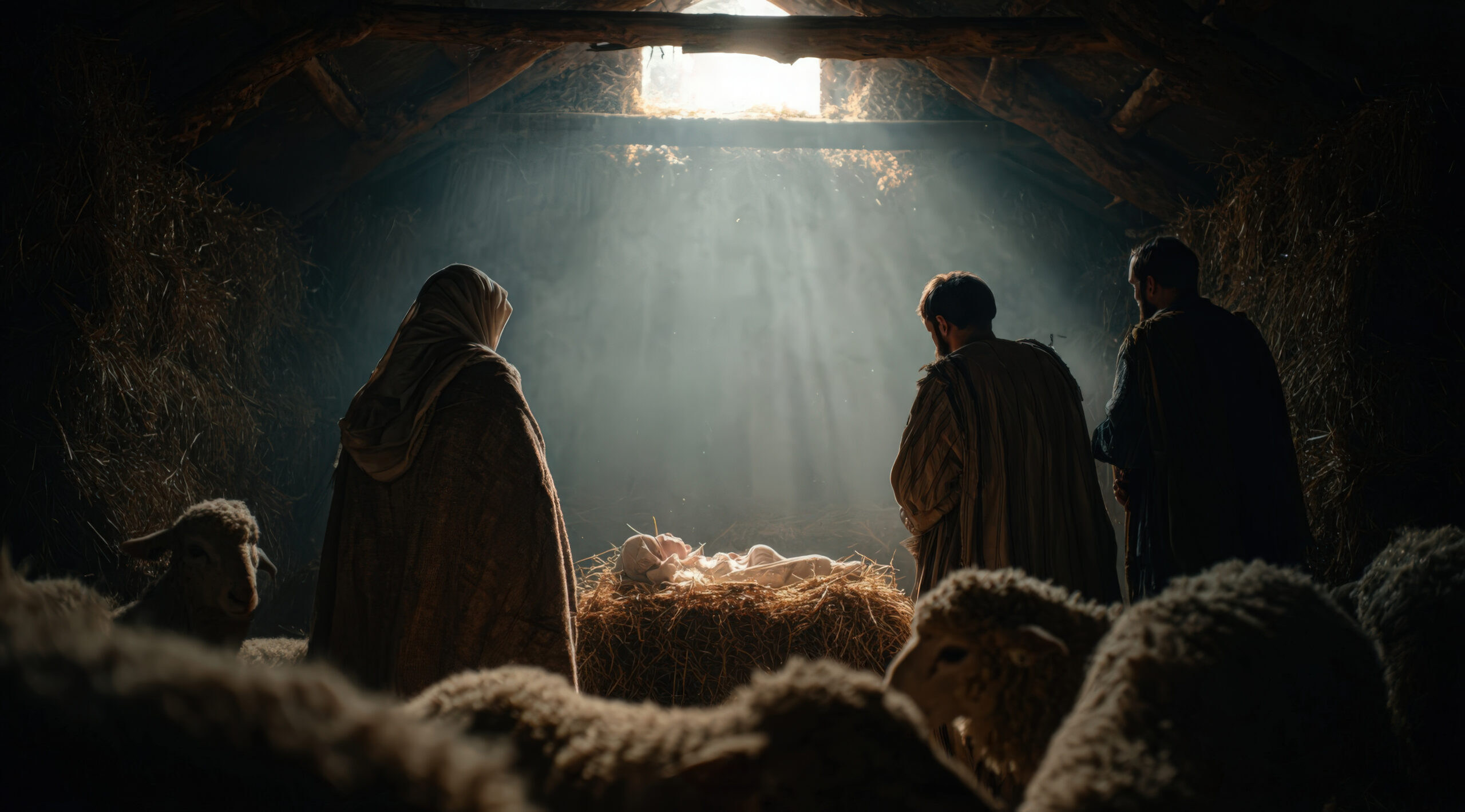
The tradition of the nativity scene dates back to the 13th century, credited to Saint Francis of Assisi. The birth of Jesus Christ, as recounted in the Bible, describes his humble beginnings: born in a stable and laid in a manger because there was no room at the inn.
While the story itself is not directly about poverty, the humble nature of Christ’s birth, surrounded by animals and lowly circumstances, became a powerful symbol of resilience and humility.
Over time, families and communities began to reenact the scene to commemorate the birth of Christ. These nativity displays, whether simple or elaborate, became a way for people to focus on the season’s spiritual aspect and to bring warmth and meaning to their homes during the cold winter months.
Saint Nicholas- From Generosity to Santa Claus
Saint Nicholas, a 4th-century Christian bishop, is the true inspiration behind the modern-day Santa Claus.
Born to wealthy parents, he inherited a large fortune but chose not to live a life of luxury; instead, he gave away his wealth to help those in need. His most famous act of charity involved secretly providing dowries to three poor sisters, which ultimately saved them from being sold into servitude.
The act of kindness, involving gifts given anonymously and out of compassion, gave rise to the legend of Saint Nicholas.
Saint Nicholas’s generosity became a tradition that continued well into the modern era, eventually evolving into the jolly figure of Santa Claus.
Hanging Stockings- A Tradition Rooted in Kindness
The tradition of hanging Christmas stockings over the fireplace dates back to the story of Saint Nicholas. According to the tale, three poor sisters lived in a home where they could not afford dowries for marriage.
One night, Saint Nicholas, knowing of their plight, tossed bags of gold down the chimney, and each bag landed in one of the sisters’ stockings that had been hung by the fireplace to dry.
This act of kindness became a widespread practice, and over time, families began to hang stockings in hopes of receiving gifts, symbolizing the spirit of giving and the importance of generosity.
Decorating with Holly- A Symbol of Resilience
Holly, with its bright red berries and shiny green leaves, is one of the most iconic symbols of the Christmas season.
In ancient times, holly was a common plant in European woodlands and was used by the poor to decorate their homes during the winter months. It provided a splash of color in the otherwise dull, cold season.
The practice of decorating with holly has roots in ancient Roman traditions, where holly was used during the Saturnalia festival. Over time, it became associated with Christmas, and families would use it to brighten their homes.
Pantomimes- Holiday Entertainment for the Masses

In many cultures, pantomimes, or “pantos,” are a cherished part of holiday tradition, offering a blend of humor, music, and audience participation.
But the origins of pantomime can be traced back to medieval times, when it was used as entertainment for the poor and illiterate masses.
These early performances, known as morality plays, depicted Christian themes and biblical stories in an accessible and engaging way for those who could not understand the Latin used in church services.
Mistletoe- A Fertility Symbol Turned Holiday Tradition
Mistletoe, a parasitic plant that thrives in winter, is another holiday symbol with origins in poverty. In ancient times, mistletoe was widely available, making it a natural choice for the poor to decorate their homes.
The Greeks used mistletoe as a remedy for various ailments, while the Druids saw it as a symbol of vitality. Over time, mistletoe became associated with fertility and love, leading to the tradition of kissing under the mistletoe.
This custom gained popularity in England in the 18th century, where it was largely practiced by servants in the grand homes of the aristocracy.
The Yule Log- A Symbol of Warmth and Togetherness
The Yule log, traditionally a large log burned in the fireplace during the holiday season, symbolized warmth, light, and togetherness.
In poor households, the fireplace was the center of the home, providing heat and light during the long, cold winter nights.
The Yule log was typically a massive piece of wood that burned throughout the twelve days of Christmas, symbolizing the return of the sun and the coming of longer, warmer days.
Today, the Yule log is often represented by a chocolate cake rolled to resemble a log, known as the “Yule log cake.”
Milk and Cookies for Santa- A Tradition Born from Economic Hardship
The tradition of leaving milk and cookies for Santa Claus is widely practiced, especially in the United States. However, this tradition originated during the Great Depression, a period when many families struggled financially.
The custom of leaving snacks out for Santa was not just about the joy of giving; it was also a way for parents to teach their children about the importance of generosity, even in difficult times.
In the context of the Great Depression, the tradition also helped families make the most of what little they had. The milk and cookies symbolized the hope that better times were ahead and were a small gesture of kindness in an otherwise challenging period.
Salvation Army Bell Ringers- A Tradition of Charity
Perhaps one of the most directly linked holiday traditions to poverty is the Salvation Army’s bell ringing.
This practice began in San Francisco in 1891 when Captain Joseph McFee set out to raise money to provide a Christmas dinner for 1,000 destitute people. His idea was simple: place a kettle on the street and ask passersby to “keep the pot boiling” by donating money to help those in need.
This tradition grew into the red kettle campaign that we know today, with bell ringers stationed in public spaces to encourage donations for those who are less fortunate.
The Christmas Turkey- A Feast for All

Turkey has become the centerpiece of many Christmas meals, especially in Western countries. But did you know that turkey became popular as a Christmas feast due to economic necessity?
In times past, many farmers could not afford to slaughter more valuable animals, such as cows or chickens, because they needed them for milk or eggs. However, turkeys were easier to raise and could be spared for a festive occasion.
Conclusion
These holiday traditions, born of poverty and adversity, continue to play an integral role in how we celebrate today. They serve as a testament to human resilience, creativity, and the desire to find joy and meaning amid hardship.
As we enjoy the festivities, it’s important to remember the origins of these customs and the lessons they impart about generosity, togetherness, and the power of community.