10 Heartwarming Animal Behaviors That Feel Straight Out of a Disney Movie
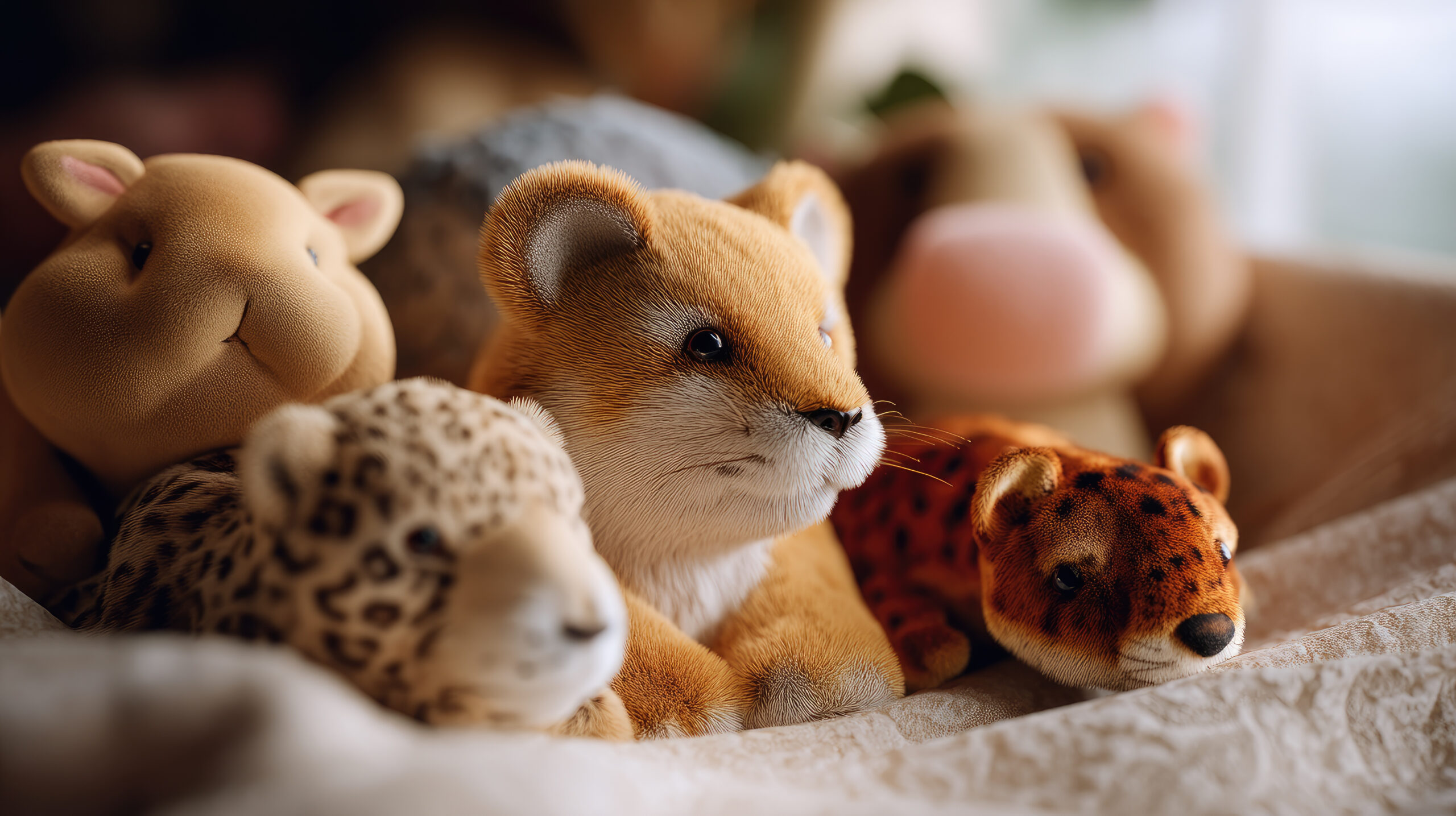
From the jungle canopy to the ocean depths, countless animals display behaviors so endearing they could inspire entire Disney storylines.
Vampire Bats- The Ultimate Cuddlers

Vampire bats defy their sinister reputation by being among the most affectionate mammals on Earth. These small creatures spend nearly 4% of their waking hours grooming one another, far surpassing most bat species.
Through mutual grooming, bats maintain not just hygiene but also deep social connections. They nuzzle, lick, and carefully preen each other’s fur, an act that strengthens colony bonds much like a comforting hug among humans.
In times of scarcity, they’ve even been observed sharing regurgitated blood meals with hungry friends, a literal lifeline of compassion.
California Mice- Partners for Life
In a world where monogamy is rare, the California mouse (Peromyscus californicus) stands as a beacon of faithfulness. These small rodents form lifelong pair bonds and raise their young together in harmony.
Males remain loyal and protective, often grooming their partners and guarding nests. Scientists discovered that pheromones in female urine play a role in reinforcing this loyalty, nature’s clever chemistry at work.
But even beyond biology, their teamwork and devotion reflect true partnership, echoing the romantic ideals of classic Disney tales.
The Vegetarian Piranha- Nature’s Gentle Rebel
Forget the bloodthirsty legend. The Tometes camunani, a newly identified piranha species, thrives entirely on aquatic plants. Found in the rapids of the Amazon River, these herbivorous fish challenge stereotypes of ferocity.
Their cousin, the tambaqui, goes a step further: it’s a fruitarian giant that helps regenerate forests by dispersing seeds through its digestive system.
In a single journey, a tambaqui can disperse up to 700,000 seeds, ensuring the Amazon flourishes. These fish are ecological heroes disguised as gentle giants.
Blue-Footed Boobies- Dancers of the Sea
The blue-footed booby’s comical name belies its romantic flair. When courting, males perform intricate tango-like dances to display their turquoise feet, a sign of health and vitality.
Monkeys That Floss- The Primate Dentists
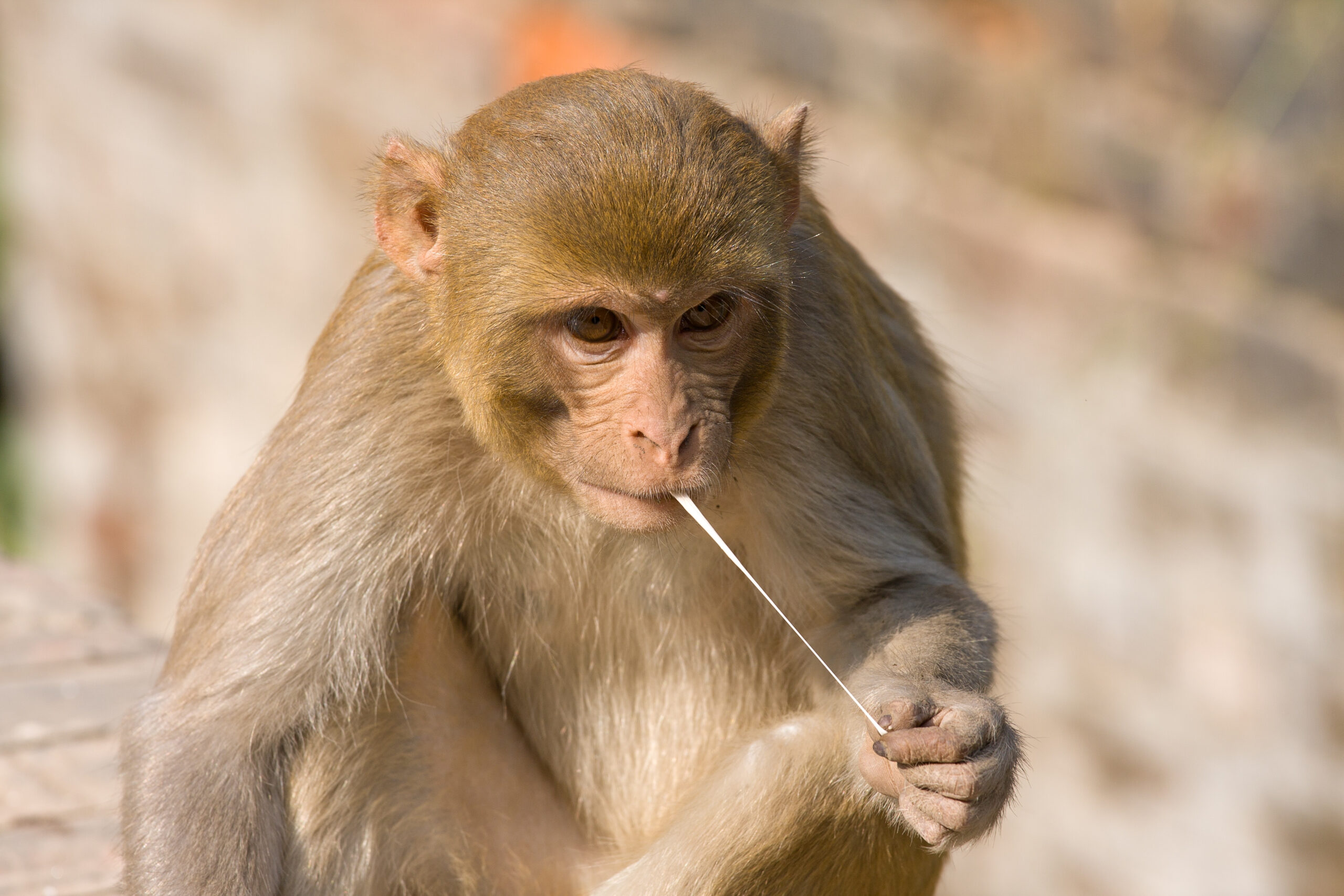
Monkeys don’t just mimic human behavior; they pioneer it. In Thailand and at zoos worldwide, macaques and baboons have been observed using human hair or broom bristles as floss.
Orangutans- Masters of Imitation
Among the great apes, orangutans shine as natural mimics and caregivers. At the Myrtle Beach Safari preserve, one orangutan named Suriya gained fame for bottle-feeding orphaned tiger cubs, pure compassion in action.
Singing Mice- Tiny Love Balladeers
Male mice woo females not through squeaks but through complex ultrasonic songs. Each melody carries distinct rhythms and pitches, designed to attract and charm.
Mouthbrooding Cichlids- Mothers With Heart
In African lakes, female cichlids embody devotion. After fertilization, mothers scoop eggs into their mouths, protecting them from predators and debris.
For weeks, they have been fasting completely to prevent accidental swallowing. Once the fry hatch, mothers inhale them back into their mouths at the first sign of danger, a breathtaking display of selflessness.
Giraffes- Whisperers of the Night
Long considered silent giants, giraffes surprised scientists by producing low-frequency humming sounds to communicate after dark.
Mantis Shrimp- Gentle Warriors
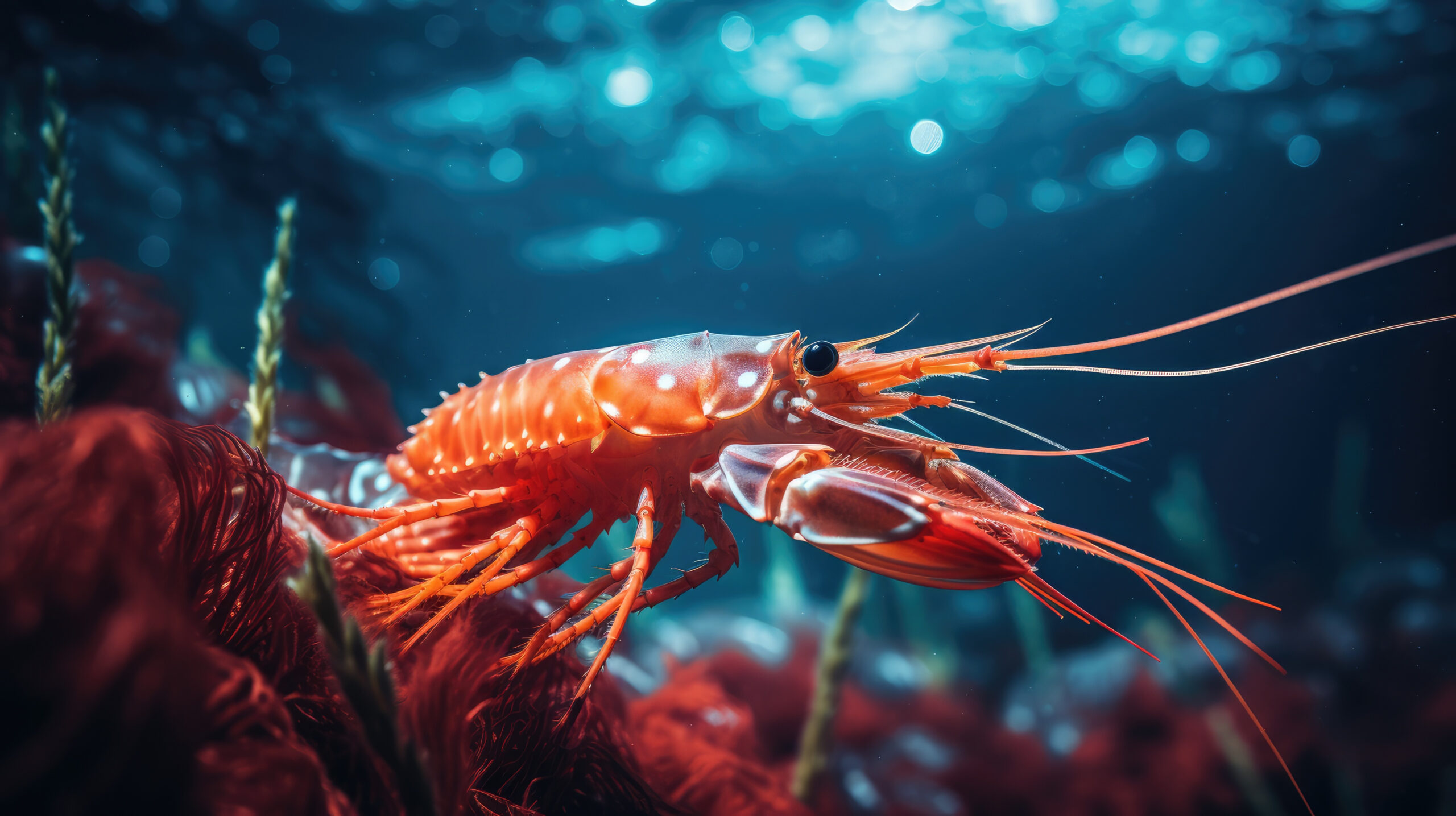
Known for their lightning-fast punches, faster than a bullet, mantis shrimp could destroy each other easily in combat. Yet when they fight, they pull their punches, striking only the reinforced parts of the body.
Conclusion
From affectionate bats to singing mice, these creatures remind us that wonder is not confined to fairy tales. The animal kingdom teems with empathy, communication, and tenderness, proof that Disney-like charm exists in reality, written in fur, feathers, and fins.
The next time you watch a heartwarming animal scene on screen, remember, somewhere in the wild, it’s happening for real.
Read the Original Article on Crafting Your Home