10 Haunted Places Debunked: The Truth Behind Famous Ghostly Legends
Vintage Warning Sign with the Word Myths Held by Hands on Neutral Background.
The supernatural has captivated human imagination for centuries, with tales of haunted houses, restless spirits, and eerie locations sparking both fear and curiosity.
However, not every claim of paranormal activity holds up under scrutiny. Many of the world’s most famous haunted places are built upon exaggerated stories, misinterpreted events, or outright fabrications.
In this article, we will delve into the myths behind 10 of the most well-known allegedly haunted places and explore why their ghostly tales are likely fake.
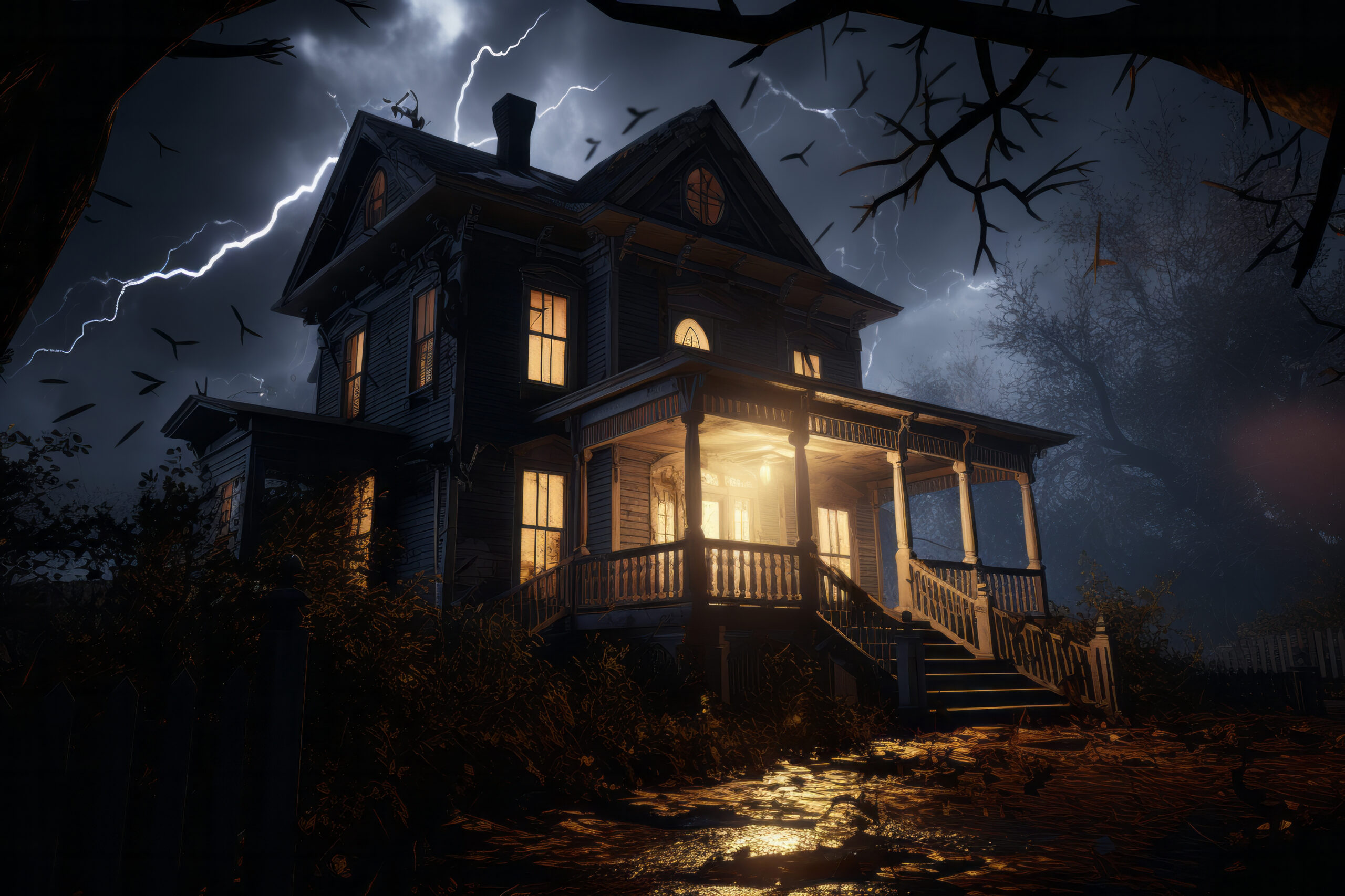
The Conjuring House- 1677 Round Top Road, Harrisville, Rhode Island
The Legend:
The infamous house at 1677 Round Top Road, Harrisville, Rhode Island, gained worldwide attention as the setting for the movie The Conjuring.
The story revolves around the ghost of Bathsheba Sherman, a witch who is said to have cursed the land.
According to paranormal investigators Ed and Lorraine Warren, the house was haunted by a violent demon connected to Sherman.
The Reality:
Despite the chilling narrative, a closer look reveals several inconsistencies. Bathsheba Sherman never resided at the property, and there’s no credible evidence linking her to witchcraft or any form of malevolent activity.
Additionally, the house’s original inhabitants lived there for a decade without experiencing the dramatic paranormal events depicted in the film.
More recent owners of the house also report no supernatural occurrences, further discrediting the story.
Native American Burial Grounds- A Hollywood Myth
The Legend:
The concept of “Indian burial grounds” has become a staple in horror movies, often serving as the origin of hauntings.
The belief is that Native American spirits seek revenge on those who disturb their resting places, typically by building homes or other structures on top of sacred lands.
The Reality:
In reality, there is no uniform Native American burial practice. Native American cultures are incredibly diverse, and the idea that they all believed in vengeful spirits is a gross oversimplification.
The notion of “Indian burial grounds” is more of a Hollywood trope than a historical reality.
Furthermore, the idea of spirits haunting these sites for retribution is a misrepresentation of Native American spiritual beliefs.
Skinwalker Ranch- A Hotbed for UFOs and Paranormal Activity?
The Legend:
Located in Utah, Skinwalker Ranch is famous for its alleged paranormal phenomena, including shapeshifting creatures known as “skinwalkers,” UFO sightings, and mysterious cattle mutilations.
The property has been the subject of numerous investigations and is often cited as one of the most active paranormal locations in the U.S.
The Reality:
Despite its reputation, there is no solid evidence to support the numerous claims surrounding Skinwalker Ranch.
Previous residents of the property, including the Sherman family, did not report any strange occurrences during their decades of living there.
Even after the property was sold to a UFO enthusiast, much of the reported activity was found to be either misinterpreted or fabricated.
Skinwalker Ranch remains a mystery, but the idea that it is a hotspot for supernatural events is largely unsupported.
The Will-o’-the-Wisp- Swamp Spirits or a Natural Phenomenon?
The Legend:
Swamps, marshes, and bogs have long been associated with ghostly lights known as “will-o’-the-wisp.”
Often described as glowing orbs that lead travelers astray, these lights have been attributed to wandering spirits or supernatural forces.
The Reality:
The phenomenon of will-o’-the-wisp is more likely to be explained by natural causes. These “ghost lights” are often caused by phosphorescent gases emitted by decaying organic matter in swamps.
While the lights can appear eerie in the dark, they are a scientifically understood natural occurrence, not the result of supernatural forces.
The Anson Lights- Ghostly or Just Car Headlights?

The Legend:
In Anson, Texas, a mysterious light known as the “Anson Light” has been reported for decades.
Often described as a ghostly lantern carried by a figure searching for a lost child, the light has sparked local legends and paranormal investigations.
The Reality:
The truth behind the Anson Light is far less mystical. After conducting investigations using basic technology, college students determined that the light was nothing more than the headlights of cars from a nearby road.
The eerie glow that people mistook for a ghostly figure was simply an optical illusion caused by the terrain and lighting conditions.
The Devil’s Tramping Ground- A Natural Phenomenon Disguised as Satanic Rituals
The Legend:
Located in North Carolina, the Devil’s Tramping Ground is a circular patch of land where it is said that no plants grow and strange occurrences happen.
According to local folklore, the area is where the Devil himself walks in a circular pattern, causing eerie events.
The Reality:
The explanation for the Devil’s Tramping Ground is much more mundane. The ground is naturally high in salt, preventing plants from growing there.
The phenomenon of disappearing objects and other strange occurrences can be attributed to the area being a natural salt lick that animals avoid, leaving a barren patch. There’s no evidence to suggest any supernatural activity.
The Excelsior Hotel- A Tourist Attraction Masquerading as a Haunted House
The Legend:
The Excelsior Hotel in Jefferson, Texas, is said to be haunted, with claims of ghostly apparitions and paranormal activity.
The hotel’s connection to Steven Spielberg, who supposedly had a terrifying experience there, has only added to its mystique.
The Reality:
While the hotel does have an old-world charm, the stories of hauntings are largely anecdotal.
Spielberg’s account of a frightening experience is based on personal recollection and has been sensationalized over time.
The hotel appears to be more of a tourist attraction capitalizing on ghost stories than a genuinely haunted location.
Frankenstein Castle- Germany’s Legendary Haunted Site
The Legend:
Frankenstein Castle, located in Germany, is associated with the alleged alchemist and mad scientist Johann Konrad Dippel.
According to local lore, Dippel conducted immoral experiments on the dead, inspiring Mary Shelley’s Frankenstein.
The Reality:
The true story behind Frankenstein Castle is far less sinister. While Johann Konrad Dippel did live in the castle, there is little evidence to suggest he was involved in any alchemical experiments or unethical practices.
The connection to Mary Shelley’s Frankenstein was likely created after the novel’s release, when the castle became a popular spot for paranormal enthusiasts. The haunting stories surrounding the castle are largely fabricated.
Annabelle’s Curse- The Haunted Doll Hoax
The Legend:
The Annabelle doll gained fame through The Conjuring series, with stories of it being cursed by a malevolent spirit.
The real Annabelle doll is reportedly housed in the Warren family’s Occult Museum, where it is said to wreak havoc on anyone who comes into contact with it.
The Reality:
The truth behind Annabelle is less sensational. The doll was initially given to a family who reported strange occurrences, but there is no evidence to suggest it was haunted or cursed.
No credible evidence supports the Warrens’ accounts of the doll’s paranormal activity, and skeptics have questioned the claims.
The story of Annabelle’s curse is essentially a creation of the Warrens’ own narrative.
The Amityville Horror- America’s Most Famous Haunted House?
The Legend:
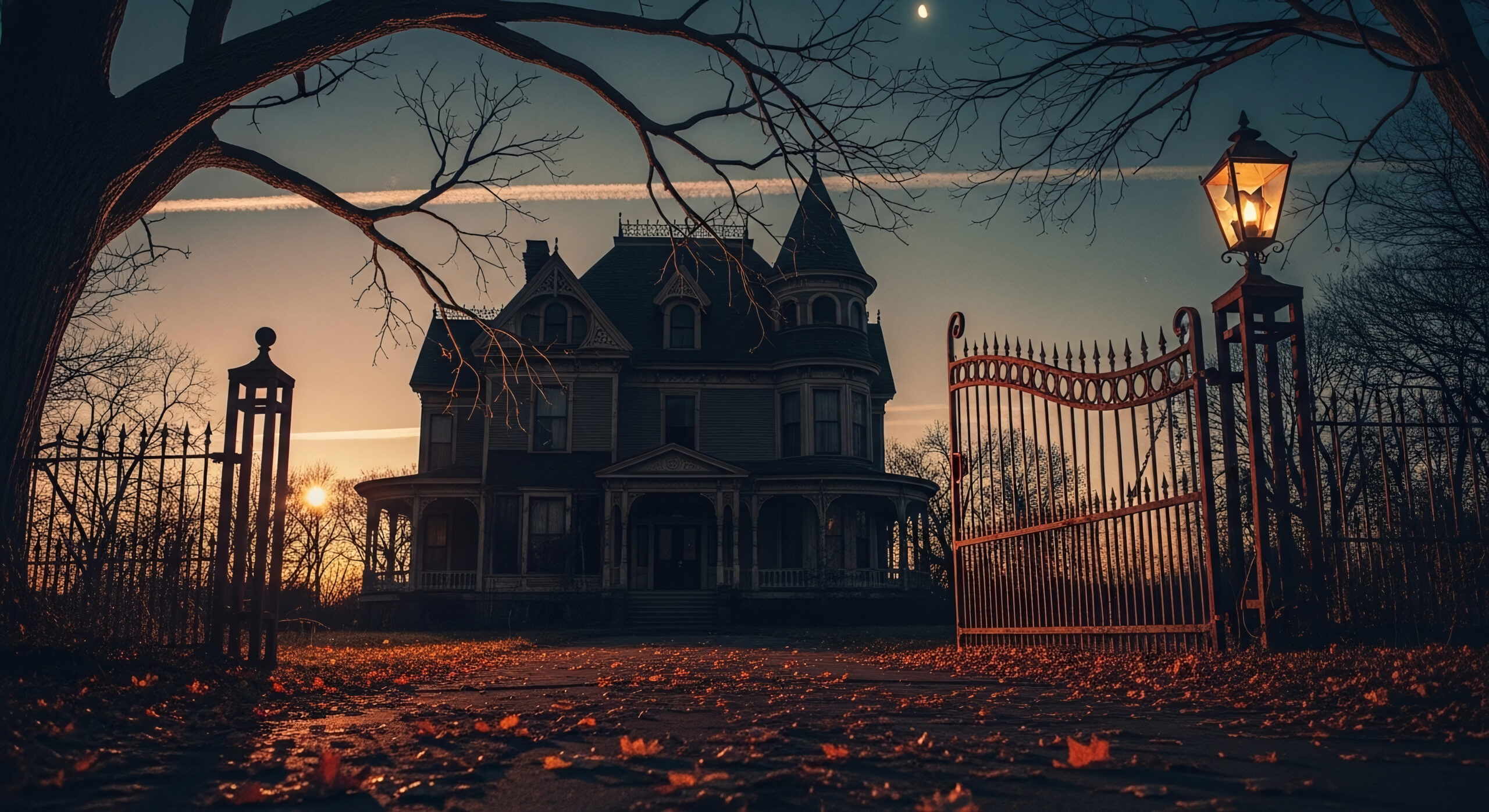
The Amityville Horror is one of the most famous haunted house stories in the U.S., based on the claims of the Lutz family, who experienced terrifying paranormal events after moving into a house where a gruesome murder had occurred.
The book and subsequent movies made the story infamous.
The Reality:
The story behind the Amityville Horror has been widely discredited. The Lutz family’s claims of paranormal activity were heavily sensationalized, and many involved in the case, including neighbors and investigators, have described the events as a hoax.
George Lutz, in particular, is often seen as a showman who exaggerated the story for publicity and financial gain. The true nature of the events remains in question, with most evidence pointing to fabrication rather than supernatural occurrences.
Conclusion
The allure of haunted places is undeniably strong, but many of the most famous ghost stories are built on myths, misinterpretations, and deliberate fabrications.
By examining historical facts and investigating the true nature of these locations, it becomes clear that supernatural explanations are often far less likely than natural or artificial ones.
Whether it’s the myth of vengeful spirits or the sensationalization of real events, these supposedly haunted places are often far from the terrifying sites they are made out to be.