


The post 10 Habits That Make Married Friends Quietly Stop Inviting You as a Couple first appeared on Crafting Your Home.
Nobody texts to explain why the invites stopped coming. Most of the time, it’s not a dramatic falling out; it’s a slow accumulation of small patterns that make hosting a couple feel more like work than fun. Friendship experts and relationship psychologists describe a fairly consistent set of habits behind this.
One Partner Checks Out at Gatherings
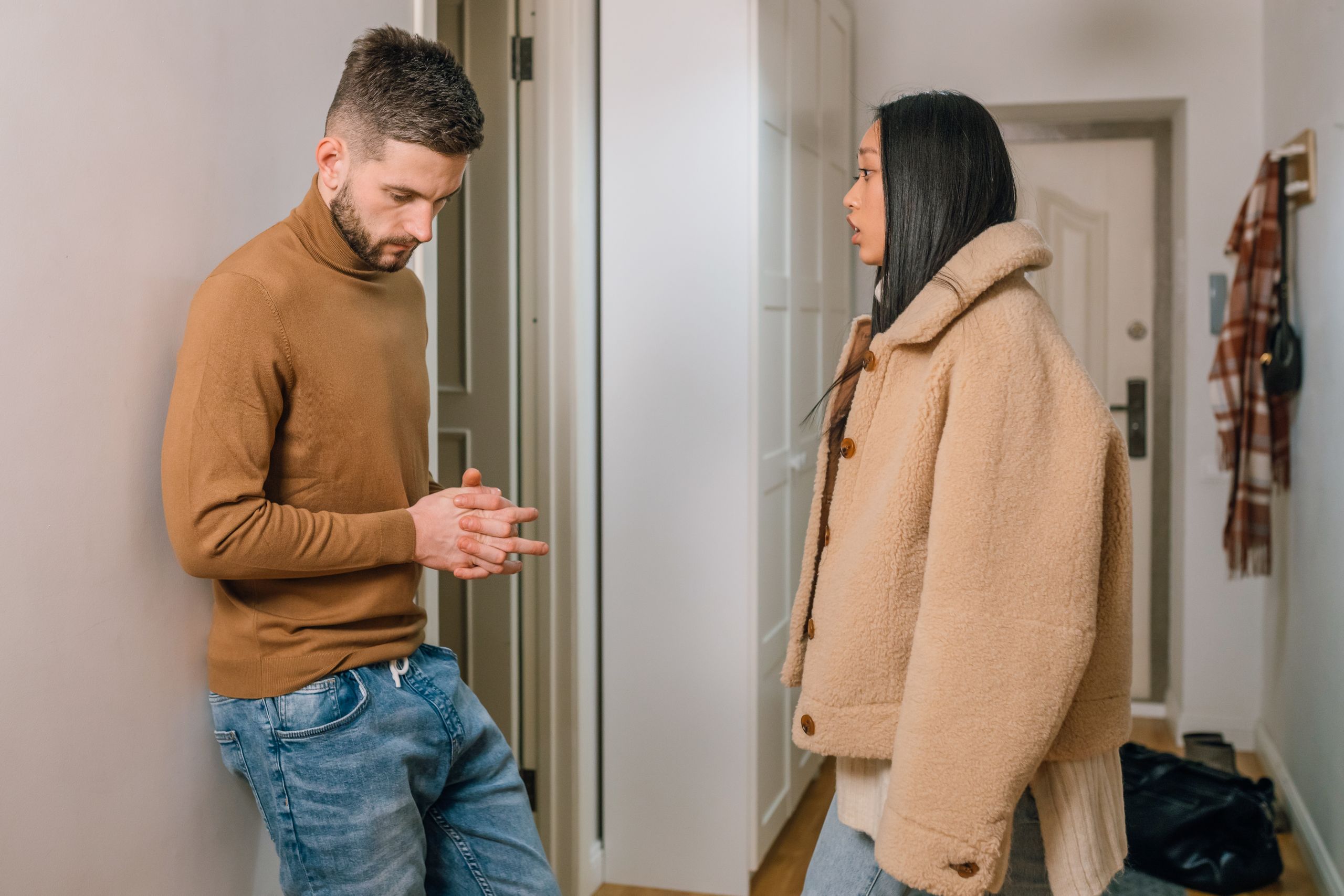
Licensed psychologist Susan Orenstein has worked with clients who describe feeling deserted by a partner at social events, left standing alone for hours without even a check-in. Over time, this doesn’t just strain the couple; it makes hosts hesitant to invite a pair where one person clearly isn’t enjoying themselves.
You’re Never Apart, Even When It’s Not Your Event
A recurring theme across friendship research is the couple that can’t be separated, even for plans explicitly meant to be one-on-one. One source interviewed by The Independent described this pattern as inherently exclusionary, since bringing a partner into a friend-only hangout leaves no room for anyone else at the table to speak candidly.
Your Friend Feels Like They’ve Lost Access to You
A woman interviewed by Refinery29 described needing to be intentional about seeing friends without her spouse present, specifically because she’d noticed how easily couple time can crowd out one-on-one friendships entirely. Friends who feel like they can no longer get solo time with you tend to stop extending invitations that assume you’ll come as a package deal.
One of You Dominates Every Conversation
University of Georgia psychology professor Richard Slatcher told The Wall Street Journal that lasting couple friendships depend on both people taking up roughly equal space in the conversation. “One-sided relationships are usually ultimately doomed,” he said, a dynamic that applies as much to group friendships as it does to romantic ones.
Related: The Mind-Body Connection: Why Mental Health Fuels Better Intimacy
You Consistently Decline Invitations
Friendship coach Danielle Bayard Jackson told HuffPost that one of the most common, least personal reasons people stop getting invited is simply that they kept saying no. “You never go to other things they invite you to, so they stopped trying,” she said, describing it as an unintentional pattern rather than a deliberate snub.
Visible Relationship Conflict Shows Up in the Group
Orenstein noted that neglect or tension between partners in public settings often reflects bigger issues at home, ongoing conflict, insecurity, or a relationship that isn’t operating as a team. Friends tend to notice this discomfort even when nothing is said directly, and it can make future gatherings feel tense to plan.
Friends Quietly Assume You Can’t or Won’t Want to Join
Bayard Jackson pointed out that hosts sometimes stop inviting a couple based on assumptions about their finances, interest, or availability, often believing they’re doing the couple a favor. If a couple has previously mentioned being busy, tight on money, or uninterested in a certain kind of outing, friends may start making that call without checking first.
Related: 7 financial-problems-that-tear-older-couples-apart
One Partner Handles All the Social Logistics

The Independent’s reporting noted a pattern where one partner, commonly cited as men in heterosexual relationships, relies entirely on their spouse to manage the couple’s social calendar and communication. When a friendship depends on that single channel, the relationship on the other end of it can feel more transactional than genuine.
The Invitations Never Get Returned
Slatcher’s research on couple friendships emphasize reciprocity, hosting a dinner, inviting another couple out, as one of the clearest ways couples sustain these relationships over time. A couple that consistently accepts invitations but never extends their own tends to drop off a host’s list eventually, even without any conflict.
You’ve Boxed Yourselves into One Social Circle
Etiquette guidance from Debrett notes that hosts sometimes exclude a couple specifically to preserve the particular rhythm or sameness of an existing group, church friends, mom friends, a specific social circle. Couples who never mix into other parts of a friend’s life can inadvertently end up filtered out of invitations meant for a different crowd.
Why This Usually Isn’t Personal
Across nearly all of this research, experts emphasize the same point: being quietly uninvited is rarely a deliberate act of exclusion. It’s logistics, assumptions, and patterns that built up gradually, which also means most of these habits are fixable once a couple notices them.
Other Posts You Might Like:
- 10 things-women-say-they-never-do-but-many-quietly-admit-they-do
- 7-traits-in-women-that-can-quietly-make-men-lose-interest
- 9 things-women-do-every-day-that-many-men-never-realize
If you like what you just read, then subscribe to our newsletter and follow us on social media.


