


The Post 10 Frugal Habits Gen X and Boomers Refuse to Give Up, and for Good Reason first appeared in Crafting Your Home.
There’s something about the older generations that younger people sometimes struggle to understand. Why save an empty jar when you can buy a fancy organizer? Why keep using the same furniture for decades when stores are full of stylish replacements?
For some Gen Xers and Baby Boomers, the answer is surprisingly simple: Why spend money when you don’t have to?
While these habits aren’t exclusive to any generation, many reflect an old-school approach to getting the most out of everyday purchases. And according to guidance from organizations such as the Environmental Protection Agency (EPA) and the Department of Energy, several have genuine practical benefits.
Here are 10 habits that might look a little cheap but can actually make a lot of financial sense.
Hanging Clothes Outside Instead of Using the Dryer
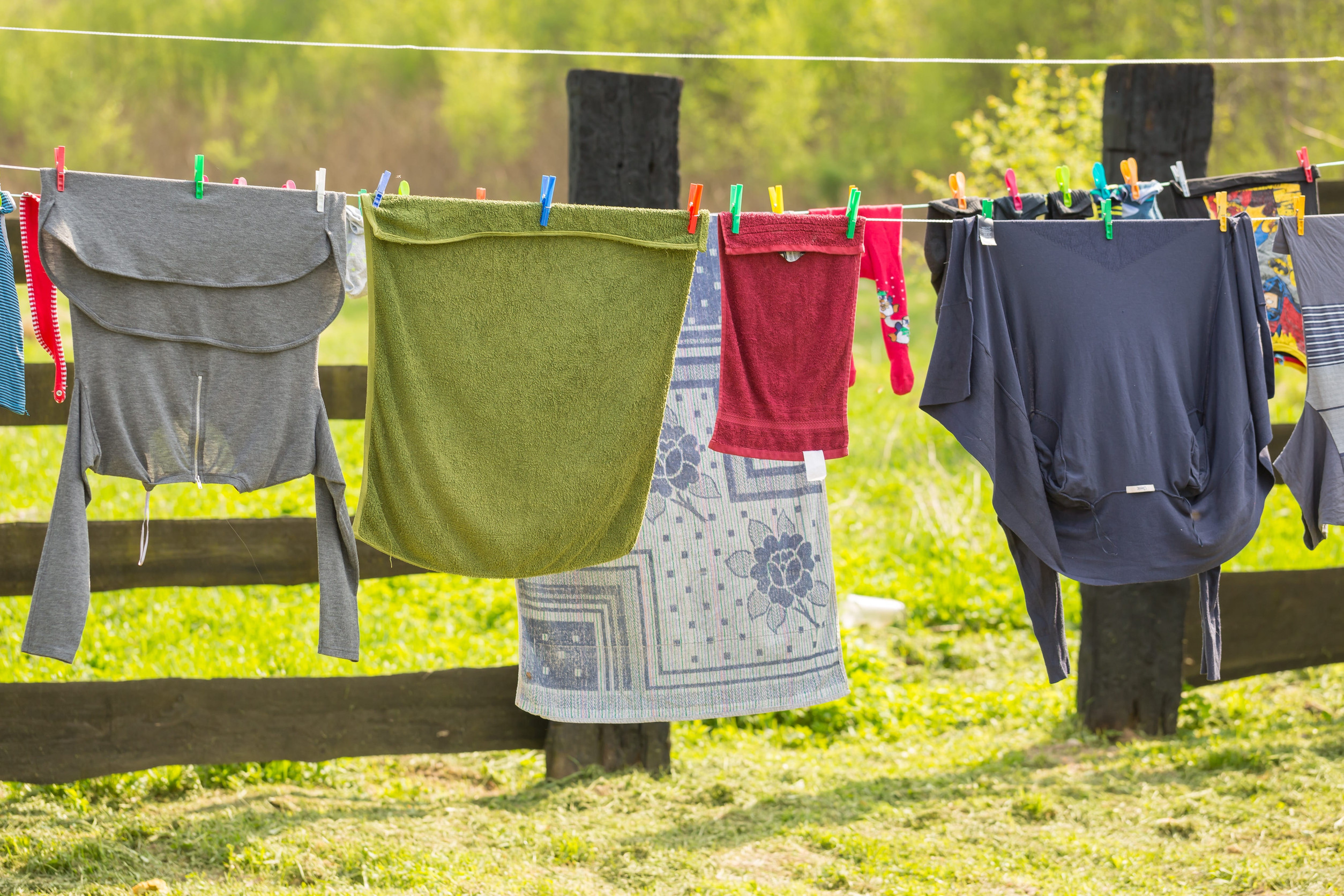
Nothing says old-school household management quite like a backyard clothesline filled with shirts, towels, and bedsheets.
While some people might consider hanging laundry outside outdated, it’s a surprisingly practical way to avoid unnecessary electricity use.
According to the Global Footprint Network, air-drying laundry eliminates the energy consumption associated with machine-drying those particular loads.
Of course, the savings depend on your laundry habits and local electricity prices. But when the weather cooperates, why pay to run an appliance when fresh air can handle the job?
A clothesline might not look glamorous, but avoiding an electricity expense is hardly something to be embarrassed about.
Keeping Furniture That Doesn’t Match
Walk into some older households, and you’ll notice something interesting. The dining table might be decades old, the chairs might come from different sets, and the living room furniture might have been collected over several years.
To someone obsessed with matching interiors, that might look outdated.
But here’s the thing: If everything still serves its purpose, replacing it simply for appearances can be an unnecessary expense.
That doesn’t mean every secondhand purchase is a bargain. Still, a perfectly functional dresser doesn’t suddenly become useless because a new furniture trend appears.
Repairing Things Instead of Immediately Replacing Them
keantian/123rf
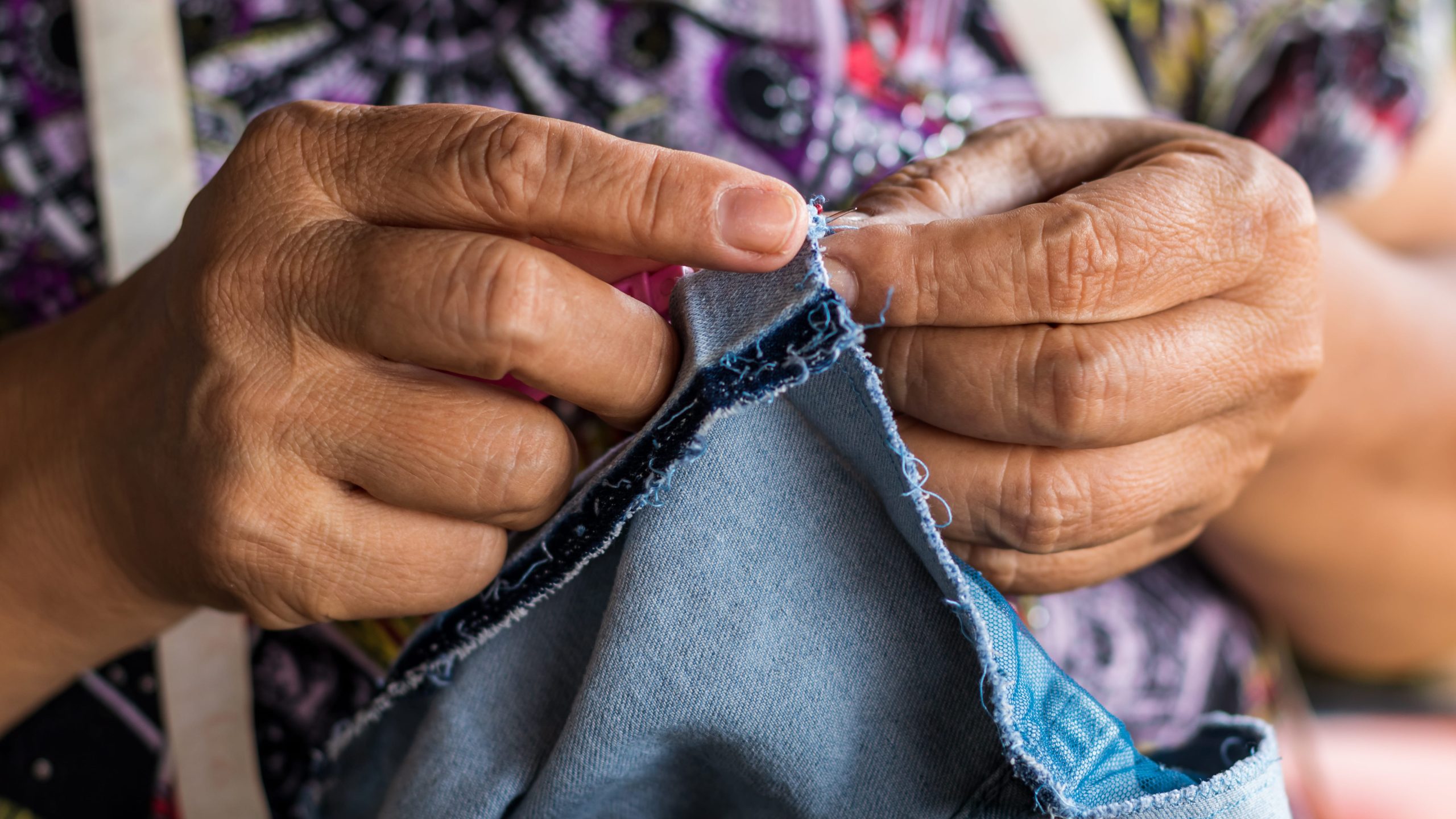
Got a loose button? Sew it back on. A small tear in your favorite shirt? Find the sewing kit.
Some Gen Xers and Baby Boomers grew up treating repairs as an ordinary part of owning things rather than a last resort.
And there’s an obvious financial advantage. A simple repair can sometimes cost considerably less than replacing the entire item.
Naturally, not everything is worth fixing. Complicated repairs can be expensive, and some jobs require professional assistance.
But throwing something away because of a minor problem isn’t always the smartest move.
Saving Empty Jars for Storage
Ever opened an older relative’s cupboard and discovered an impressive collection of empty jars?
One contains buttons, another holds screws, and a third is filled with assorted household odds and ends.
It might look like someone refuses to throw anything away, but there’s a practical explanation.
The EPA has specifically recommended reusing jars and containers to organize small household items.
Instead of buying matching organizers, these households give existing containers a new purpose.
The secret is knowing when to stop saving them. A useful collection is practical; a mountain of empty jars with no intended purpose is just clutter.
Turning Old Clothes Into Cleaning Rags
That faded T-shirt with a hole near the collar probably isn’t winning any fashion awards.
But before throwing it away, some resourceful households give it one final assignment: cleaning duty.
Old shirts, towels, and other worn fabrics can become reusable cleaning cloths.
The EPA recommends using reusable cleaning materials and repurposing old clothing instead of discarding it immediately.
This approach can reduce the need to purchase additional cleaning cloths for suitable household tasks.
Not every fabric works equally well for every job, but an old cotton T-shirt can still have plenty of practical uses after retirement from the wardrobe.
Refusing to Replace Perfectly Good Curtains
Some people redecorate whenever a new interior design trend becomes popular. Others look at their perfectly functional curtains and wonder why anyone would replace them.
And they might have a point.
Their effectiveness depends on the material, climate, season, and how they’re used.
Older curtains aren’t automatically energy-efficient. But replacing functional window coverings solely because their pattern is unfashionable doesn’t necessarily improve anything.
Sometimes, keeping what already works is the smarter decorating decision.
Planning Another Dinner Around Leftovers
