10 Food Habits That Are Slowly Making You Unhealthy

In the hustle and bustle of modern life, it’s easy to fall into habits that don’t serve our well-being. Often, these habits seem harmless at first, but over time, they can chip away at our health in subtle ways. You might overlook the impact today, but years of poor choices can lead to a range of health issues.
Here are the food habits that are quietly sabotaging your health and how to break free from them.
Relying Too Much on Processed Foods
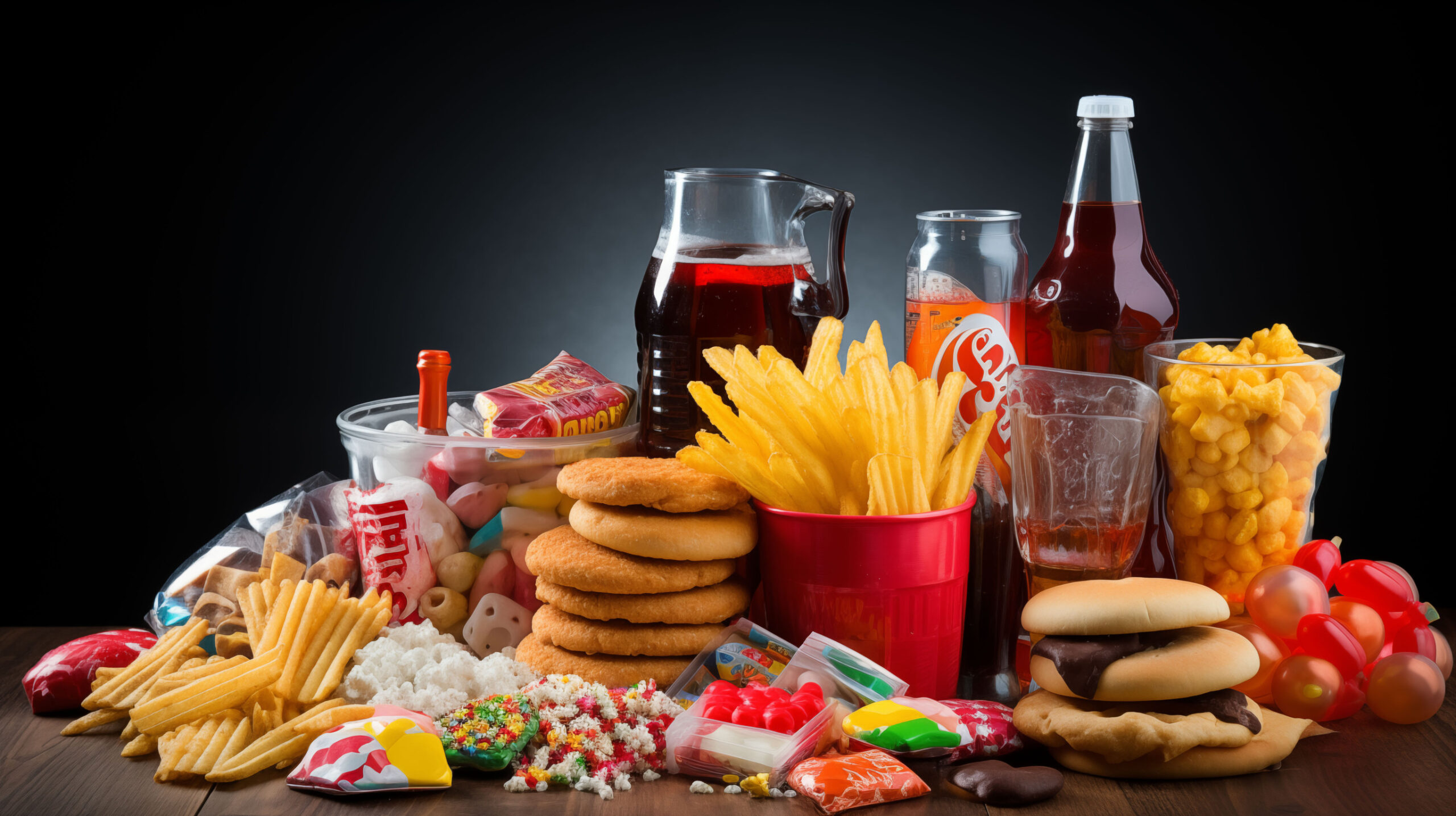
Convenience is key in today’s fast-paced world, but there’s a downside to grabbing that pre-packaged meal or processed snack. While they save time, processed foods are often loaded with unhealthy fats, sugars, and sodium, all of which can contribute to chronic health issues like heart disease, obesity, and hypertension.
The more you rely on these foods, the more you’re sacrificing the nutrients your body truly needs.
Skipping Breakfast
We’ve all heard it before: breakfast is the most important meal of the day. But for many, it’s become all too easy to skip. Whether it’s a lack of time or simply not feeling hungry in the morning, skipping breakfast can slow down your metabolism and leave you feeling sluggish throughout the day.
Worse yet, it often leads to overeating later in the day, as your body craves the energy it missed in the morning.
Eating Too Late
Late-night eating is one of the most common food habits that can wreak havoc on your health. Whether it’s mindlessly munching while watching TV or grabbing a midnight snack, eating late can disrupt your sleep cycle and increase the risk of weight gain. Your body doesn’t process food as efficiently at night, meaning that late-night calories are more likely to be stored as fat.
It’s time to break the habit and aim to finish eating at least two to three hours before bed.
Consuming Excessive Sugar
Sugar is everywhere, lurking in everything from your morning coffee to that mid-afternoon energy bar. While a bit of sugar here and there might seem harmless, the reality is that most of us consume far more sugar than we realize. High sugar intake can lead to a range of health issues, including weight gain, insulin resistance, and even increased risks of heart disease.
It’s not just the sweets that are the problem; hidden sugars in processed foods and drinks are often the real culprits.
Drinking Empty Calories

Sugary drinks, sodas, and even so-called “healthy” juices are often packed with empty calories that do little to nourish your body. These liquid calories don’t fill you up the way whole foods do, and over time, they contribute to weight gain and poor nutrition. Even alcohol, while enjoyable in moderation, can add up in empty calories and affect liver function when consumed excessively.
Opting for water, herbal teas, or black coffee can make a world of difference.
Overloading on “Healthy” Foods
It’s easy to think that if something is labeled “healthy,” you can eat as much of it as you want. But even healthy foods can be unhealthy when consumed in excess. Nuts, avocado, and whole grains are all packed with essential nutrients, but they’re also high in calories.
While they offer numerous health benefits, they should still be eaten in moderation. Overindulging in even the healthiest foods can lead to weight gain and digestive issues.
Mindless Snacking

In today’s world of constant availability, snacks are often the downfall of our health. Whether it’s reaching for chips while working or grabbing a sugary treat after a meal, mindless snacking adds up. It’s easy to eat without thinking, especially when food is in front of us all the time.
But these snacks don’t just add calories; they can disrupt your metabolism, leaving you feeling lethargic and causing blood sugar spikes and crashes that make it harder to maintain energy throughout the day.
Eating Too Fast
In a world that values speed and efficiency, eating quickly has become the norm. However, when you eat too fast, your brain doesn’t have enough time to signal to your stomach that you’re full, which can lead to overeating. It can also lead to poor digestion, as your body doesn’t have time to break down food properly.
Taking time to savor each bite, chew thoroughly, and enjoy your meal can help you eat less, digest better, and feel more satisfied.
Ignoring Portion Sizes

We live in an age of oversized portions, and it’s easy to fall into the trap of overeating simply because there’s more food on your plate. Even if you’re eating whole, healthy foods, consistently overeating can still lead to weight gain and digestive issues.
Learning to listen to your body’s hunger cues and stop eating when you’re satisfied, not full, can help you maintain a healthy weight and feel better overall.
Not Drinking Enough Water
Water is essential to nearly every function in your body, yet many people don’t drink enough. Dehydration can lead to fatigue, poor concentration, headaches, and even overeating. Often, our bodies confuse thirst with hunger, leading us to snack when what we really need is a glass of water.
Make it a habit to drink throughout the day, and your body will thank you.
Conclusion
Food habits may seem small, but over time, they have a profound effect on your health. The choices you make today can set the tone for your future well-being. While it’s easy to get caught up in the convenience and allure of unhealthy habits, it’s important to remember that small, intentional changes can make a huge difference.
By being mindful of what, when, and how you eat, you can cultivate habits that nourish your body and lead to a healthier, more vibrant life.
Read the original Crafting Your Home