10 Fascinating Rain Facts That Will Amaze You

Rain is more than just a weather phenomenon; it’s an essential part of our planet’s ecosystem and an element that has shaped history in countless ways. We often think of rain as an inconvenience, something that disrupts our plans and leaves us soaking wet.
But have you ever considered how rain impacts the environment, culture, and even our perception of time and space? From the mysterious scent it leaves behind to its ability to shape entire landscapes, rain is far more fascinating than most people realize. Let’s dive into 10 incredible facts about rain that will forever change the way you look at a storm.
The Fascinating Science Behind Raindrops

We’ve all seen the iconic teardrop shape in cartoons and illustrations when it comes to raindrops. But did you know that real raindrops are nothing like that? While raindrops form as tiny beads of water clinging to dust or smoke particles, physics changes everything once they start falling.
As raindrops plummet toward Earth, air resistance at the bottom of each drop causes it to flatten, transforming it into a shape more like the top half of a hamburger bun. So, next time you picture raindrops, think domed, not teardrop!
Rain Is Not Just Water
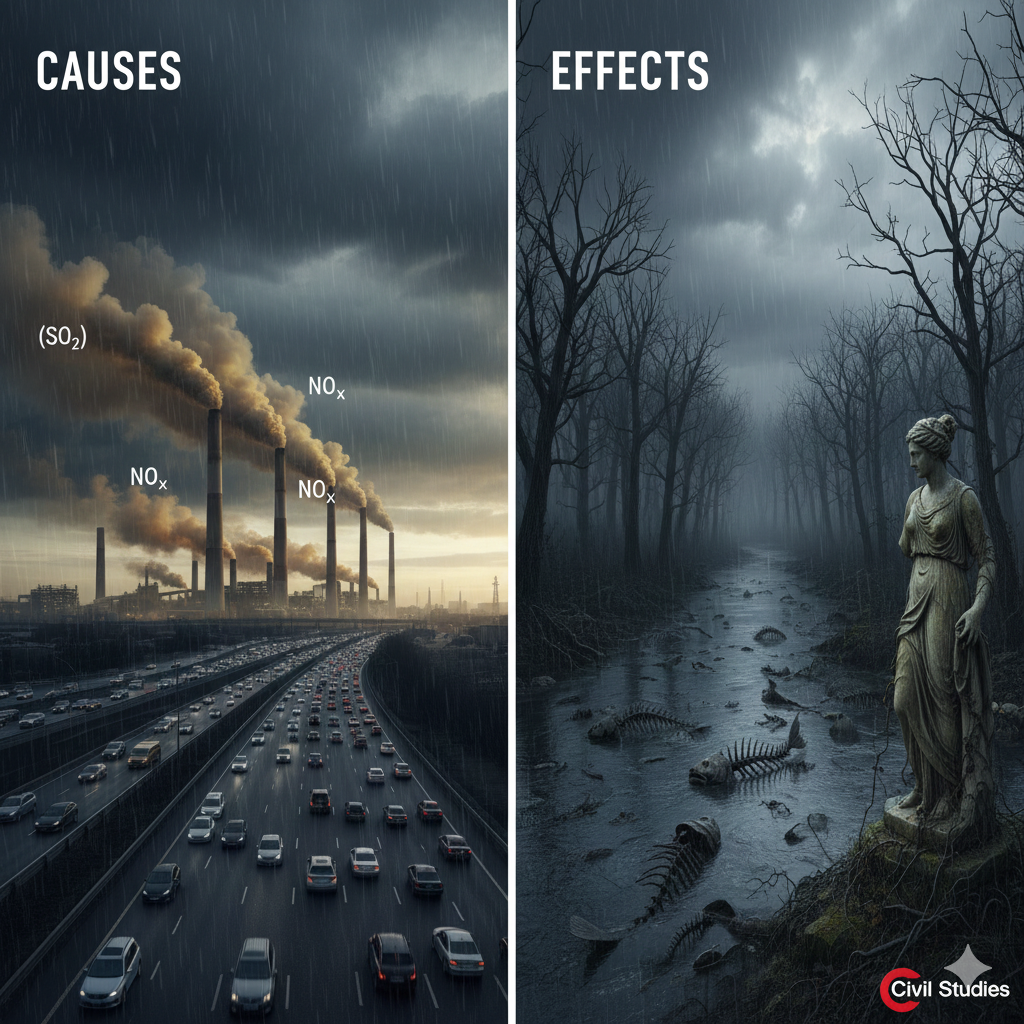
Rain, in its most basic form, is water. But the fascinating reality is that the chemistry of rain can change depending on the atmosphere it passes through. For instance, in urban areas with high pollution levels, rain can pick up airborne contaminants, making it more acidic.
This phenomenon, known as “acid rain,” has long-lasting effects on plants, animals, and even human infrastructure. This is a prime example of how rainfall can carry more than just H2O, acting as a transporter of various substances that impact our ecosystems.
The Water Cycle
The water cycle has been occurring on Earth for billions of years, even before humans walked the planet. Water on Earth doesn’t just vanish into thin air – it’s constantly cycling between the oceans, atmosphere, and land. Scientists believe the water cycle began roughly 4 billion years ago, when rain first began to fall.
This ancient cycle, which involves evaporation, condensation, and precipitation, is the driving force behind Earth’s weather patterns. Next time you feel a raindrop, just remember that it’s part of an ancient, continuous process that has sustained life on Earth for eons.
Rain at the Extremes
While we all have an idea of what rainy weather looks like, there are places on Earth where rain behaves in some pretty extreme ways. For example, in some regions of Antarctica, it is so cold and dry that the land receives almost no liquid precipitation.
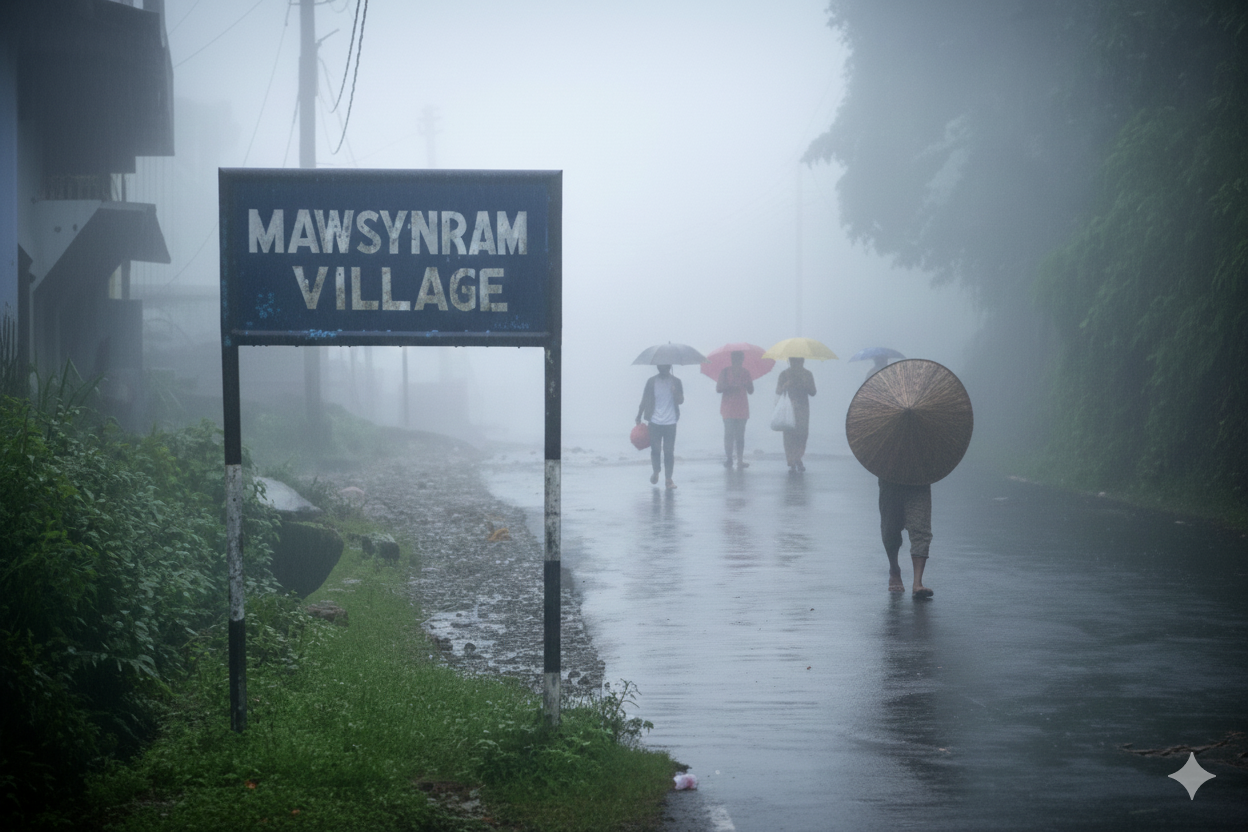
Yet in places like Cherrapunji, India, rain can fall in record amounts, totaling over 1,000 inches annually. This stark contrast in precipitation levels highlights the incredible diversity of rain’s impact worldwide. Whether it’s the driest places on Earth or the wettest, rain plays a critical role in shaping the environment.
Virga
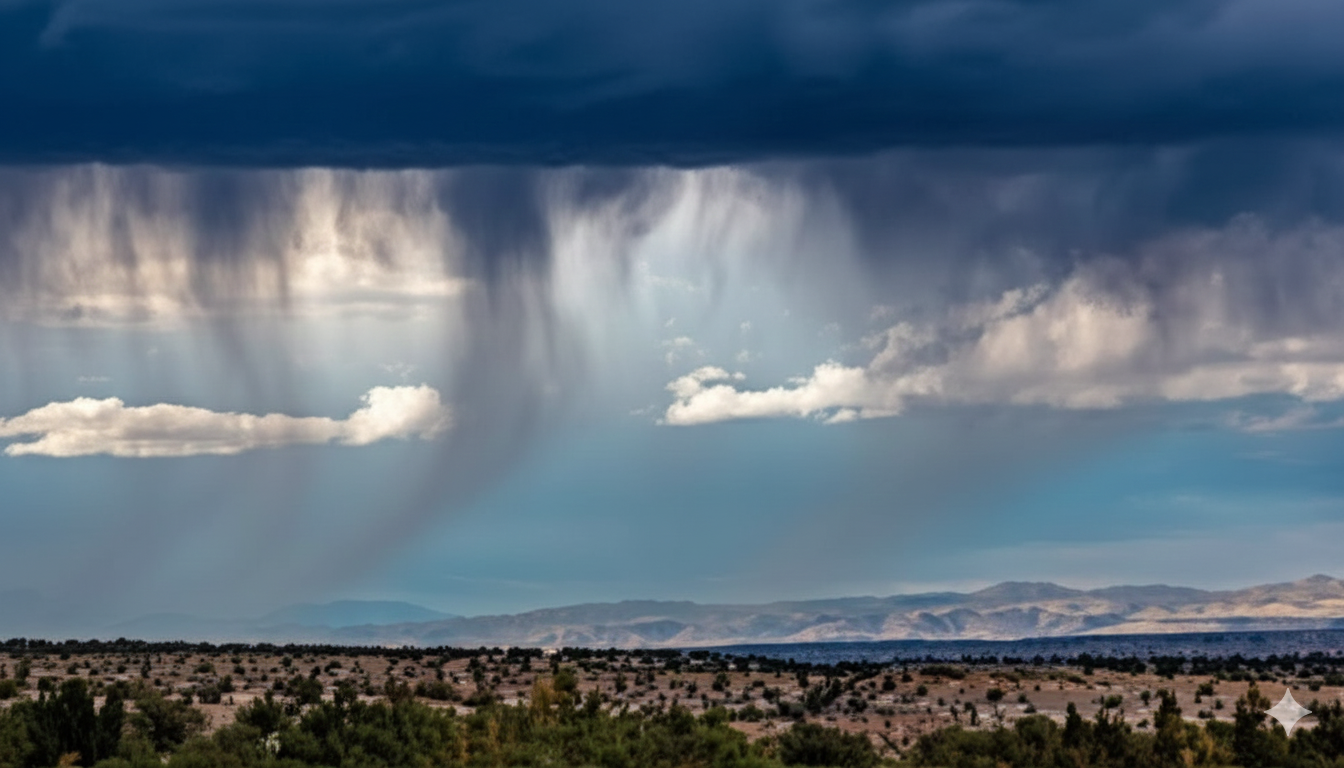
Ever looked at the sky during a storm and thought, “It’s definitely going to rain,” only to look down and find the ground bone dry? It’s not your imagination playing tricks on you. The phenomenon known as virga occurs when raindrops evaporate before reaching the ground, a common occurrence in hot, arid regions such as the Sahara Desert.
Despite looking like rain, these droplets don’t reach the ground, leaving a ghostly streak of moisture in the air. Virga is a fascinating atmospheric phenomenon that provides insight into the conditions required for rainfall to reach Earth’s surface.
Rainfall’s Effect on the Landscape
Rain doesn’t just wet the ground – it can reshape entire landscapes. Erosion by rainwater is responsible for forming valleys, riverbeds, and even coastal features. The continuous cycle of rainfall, runoff, and sediment transport is a major force behind the Earth’s geological evolution.
In areas prone to heavy rainfall, such as tropical rainforests and mountain ranges, rain’s ability to erode the landscape is both beautiful and destructive. Over time, the power of rain has sculpted some of the most iconic natural wonders on Earth.
The Scent of Rain
Have you ever stepped outside after a fresh rainfall and been greeted by that distinct, earthy smell in the air? This scent, known as petrichor, is produced by oils from plants and soil bacteria. When rain hits the earth, it releases these oils, creating a fresh, pleasant fragrance that many find comforting.
Interestingly, this scent is not only delightful but also serves a purpose – it helps plants and trees attract pollinators and even repels certain pests. So, the next time you smell rain, you’re not just experiencing a pleasant aroma; you’re encountering a chemical reaction that plays a role in nature’s balance.
Rain and Its Role in Climate Change
As global temperatures rise, rainfall patterns are shifting unpredictably. This can result in periods of drought followed by intense storms or unusual rainfall events in areas not accustomed to regular precipitation. Scientists have long recognized the connection between erratic rainfall and climate change.
Unseasonal rain or sudden, violent downpours are often the result of larger atmospheric disturbances, which in turn are linked to human activities like industrialization and deforestation. When rain behaves in unexpected ways, it can signal larger environmental shifts we all need to pay attention to.
The Myth of the “Wettest” Place on Earth
Conclusion
Rain, while often dismissed as an inconvenience, plays an integral role in shaping the environment, supporting life, and influencing human history. From the formation of raindrops to the intricate water cycle, the way rain affects the Earth is far more complex and awe-inspiring than most realize.
Whether it’s the simple beauty of petrichor or the destructive power of a flood, rain reminds us of the dynamic and ever-changing nature of our planet. So, the next time you find yourself caught in a downpour, remember that you’re witnessing a process that has been millions of years in the making – one that sustains life, shapes landscapes, and impacts our world in ways both subtle and profound.
Read the original article on crafting your home