10 Fascinating and Surprising Shark Facts That Will Leave You Astonished
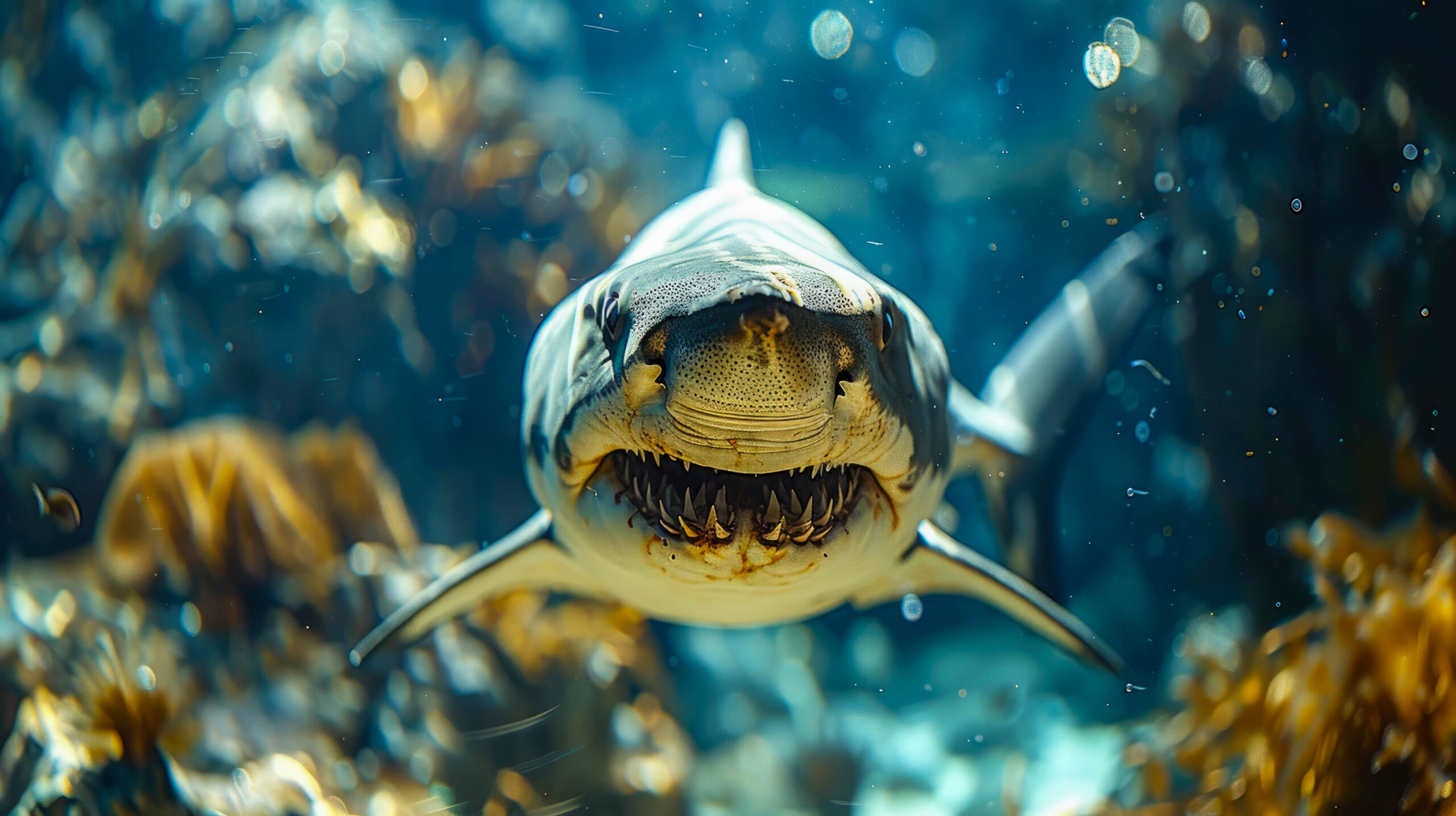
Sharks are among the most mysterious and awe-inspiring creatures in the ocean. Known for their strength, precision, and incredible adaptability, these apex predators have captivated scientists and the general public alike.
While many fear these animals, there’s a lot more to sharks than meets the eye. From their extraordinary senses to their unique survival strategies, sharks continue to amaze with their behaviors and abilities.
Let’s dive into 10 incredible shark facts that will change the way you view these majestic ocean hunters.
The Pocket Shark

While most sharks are known for their large size, the pocket shark is a true anomaly. At only 14 centimeters (around 5.5 inches) long, this tiny species is small enough to fit comfortably in the palm of your hand.
Despite its minuscule size, the pocket shark is equipped with sharp teeth and an interesting feature: bioluminescent “pockets” near its pectoral fins. Scientists speculate that these glowing pockets may help attract mates or confuse predators, though the exact function remains a mystery.
The pocket shark is one of the rarest sharks, with only two specimens discovered to date, the most recent being found off the coast of Louisiana in 2015.
Whale Sharks
Sharks Have Over Seven Acute Senses for Tracking Prey
Sharks possess an extraordinary range of senses that allow them to locate prey even in the murkiest waters. These senses go far beyond basic sight and smell:
- Electroreception: Sharks can detect electric fields generated by the movements of other animals. This ability allows them to track prey, even when it tries to hide or camouflage itself.
- Olfaction: A shark’s sense of smell is so powerful that it can detect a drop of blood in the ocean from miles away. Using its nostrils, it can pinpoint the direction of the scent.
- Lateral Line System: This system detects vibrations and pressure changes in the water, helping sharks locate even the most subtle movements of prey.
- Vision: Sharks can see well in low-light conditions, enabling them to hunt at night.
The Mystery of Shark Teeth
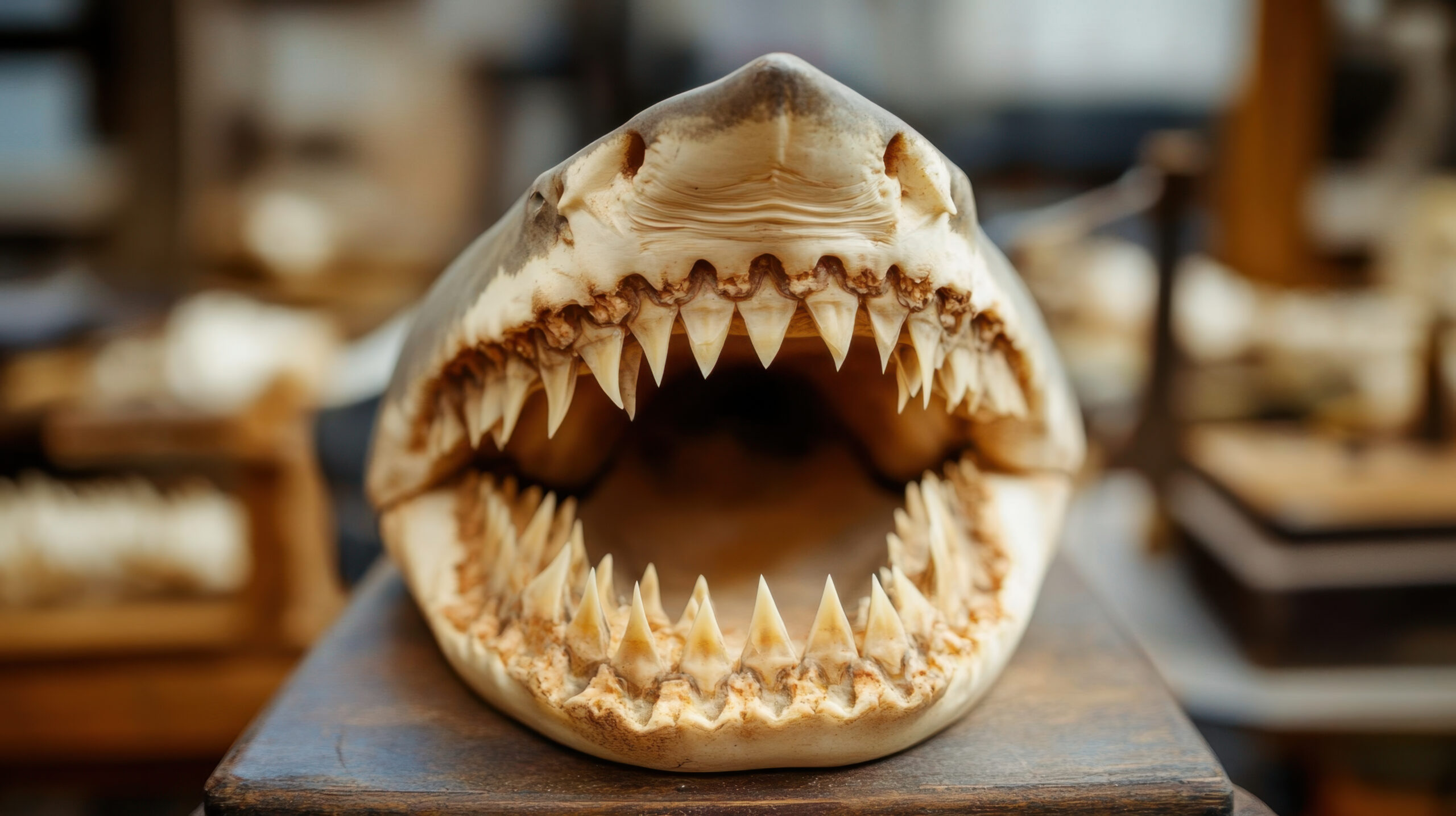
Sharks have long been associated with sharp, menacing teeth, but there’s more to their dental health than meets the eye. Sharks have teeth coated in fluoride, which not only strengthens them but also makes them resistant to decay. Unlike humans, sharks don’t suffer from cavities or gum disease.
Their teeth are continuously replaced throughout their lifetime, with some species growing up to 30,000 teeth in a single lifetime. The fluoride coating also helps protect their teeth from bacteria, ensuring that their bite remains effective throughout their lives.
Lantern Sharks
Sharks are not only formidable hunters; some have evolved unique ways to survive in the depths of the ocean. The lantern shark, for instance, uses bioluminescence to both deter predators and attract mates.
These sharks glow in the dark, their bodies illuminated by special cells along their spine. The glow can create the illusion of a more dangerous or difficult prey for predators, or it can be used during mating displays.
Lantern sharks are among the smallest shark species, often measuring only around 2 feet (60 centimeters) long, but their ability to generate light is one of nature’s most fascinating survival mechanisms.
Shark Attacks
A common myth is that blindfolding a shark or blocking its sense of smell can prevent attacks. However, a study conducted by scientists at the Mote Marine Laboratory in Florida disproves this myth.
The study found that when sharks were deprived of one sense, such as sight, smell, or electroreception, they simply relied on their other senses to track and capture prey.
For instance, when a shark’s nose was plugged, it adapted by using its vision or lateral line system. These findings highlight just how adaptable sharks are and why avoiding an attack is much more difficult than we might think.
Sharks Have an Amazing Ability to Heal Quickly
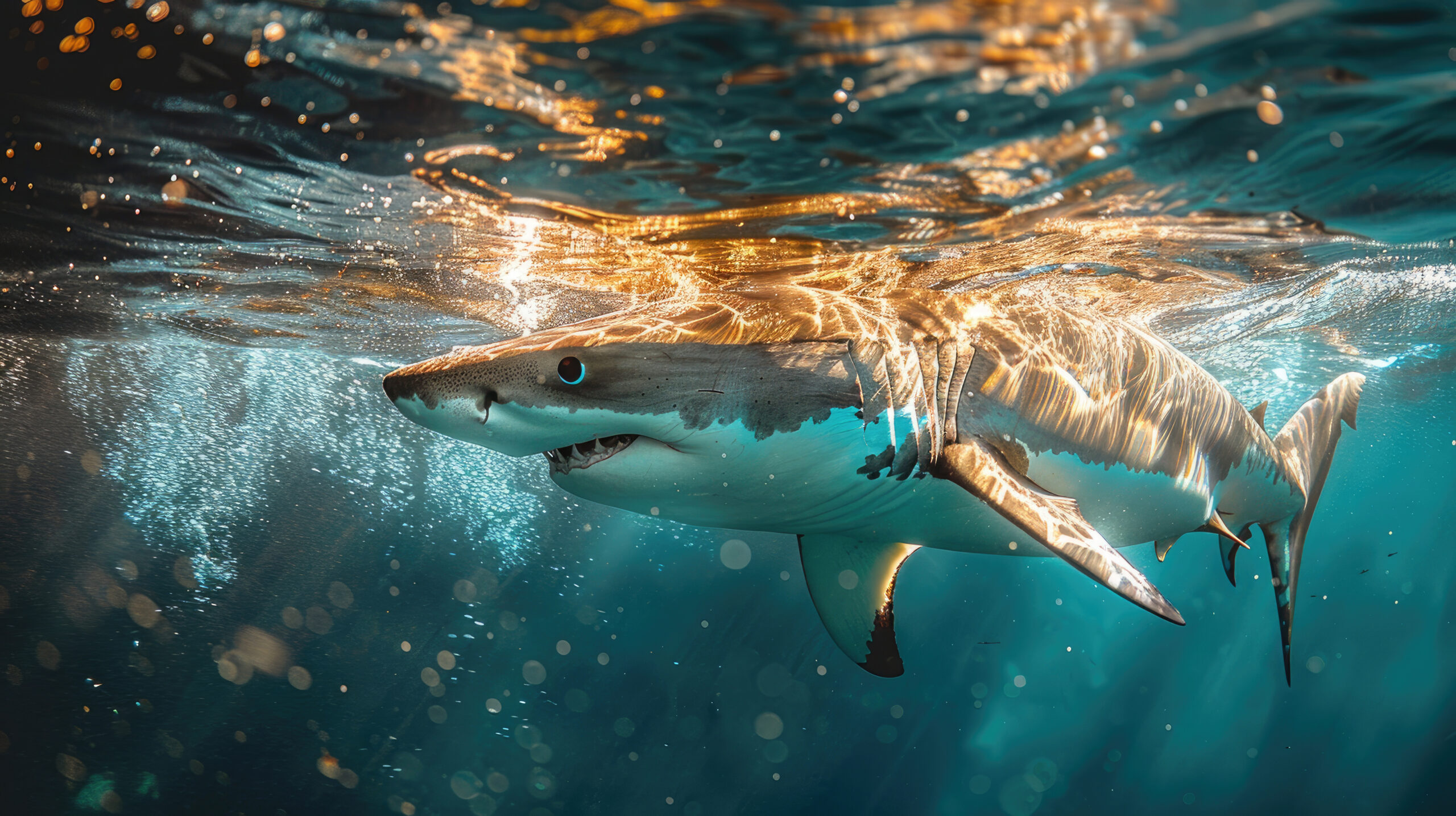
Sharks have an incredible ability to heal and recover from injuries. Unlike many animals, sharks don’t suffer from infections or diseases in the same way. This is due to their unique immune system, which produces a potent cocktail of antimicrobial peptides.
These peptides help sharks heal from wounds quickly and keep bacteria at bay. In fact, sharks’ immune systems are so advanced that their immune responses are being studied for potential medical applications, such as wound healing in humans.
The Dangers of Shark Finning
While shark finning is illegal in many parts of the world, the practice continues to threaten shark populations. Shark fins are a delicacy in many Asian countries, particularly in shark fin soup, a dish considered a symbol of wealth and status.
However, shark fins contain dangerous neurotoxins such as Beta-methylamino-L-alanine (BMAA), which has been linked to neurodegenerative diseases like Alzheimer’s and Parkinson’s.
Studies have shown that consuming shark fin soup can expose individuals to harmful levels of mercury and other toxins. In addition to harming sharks, these toxins pose a significant health risk to humans who consume them.
The Role of Sharks in Maintaining Ocean Ecosystems
Sharks play a crucial role in maintaining the balance of marine ecosystems. As apex predators, sharks regulate the populations of various species, ensuring that no single group becomes overabundant.
By controlling the numbers of fish and other marine life, sharks help maintain a healthy balance in the ecosystem. This role is vital for the health of coral reefs, seagrass beds, and the overall marine food chain. Without sharks, these ecosystems would face significant disruptions, affecting biodiversity and the health of our oceans.
The Silent Hunters

Sharks are among the most silent predators in the ocean. Despite their size and power, they have evolved to move through the water with minimal sound. Their bodies are covered in small, scale-like structures known as dermal denticles.
These denticles reduce friction and turbulence as the shark swims, allowing it to glide effortlessly through the water. This silent movement makes it difficult for prey to detect the shark until it is too late. The ability to remain undetected while hunting is one of the many reasons sharks are so effective as predators.
Conclusion
Sharks are far more than the fearsome predators often portrayed in popular culture. They are resilient, intelligent, and essential to the health of our oceans.
With their incredible senses, unique survival strategies, and remarkable abilities, sharks continue to be a source of wonder and amazement. As we learn more about these extraordinary creatures, it’s clear that sharks deserve our respect and protection.