10 Extraordinary Ways Animals Have Mastered the Art of Surviving Below Freezing Temperatures
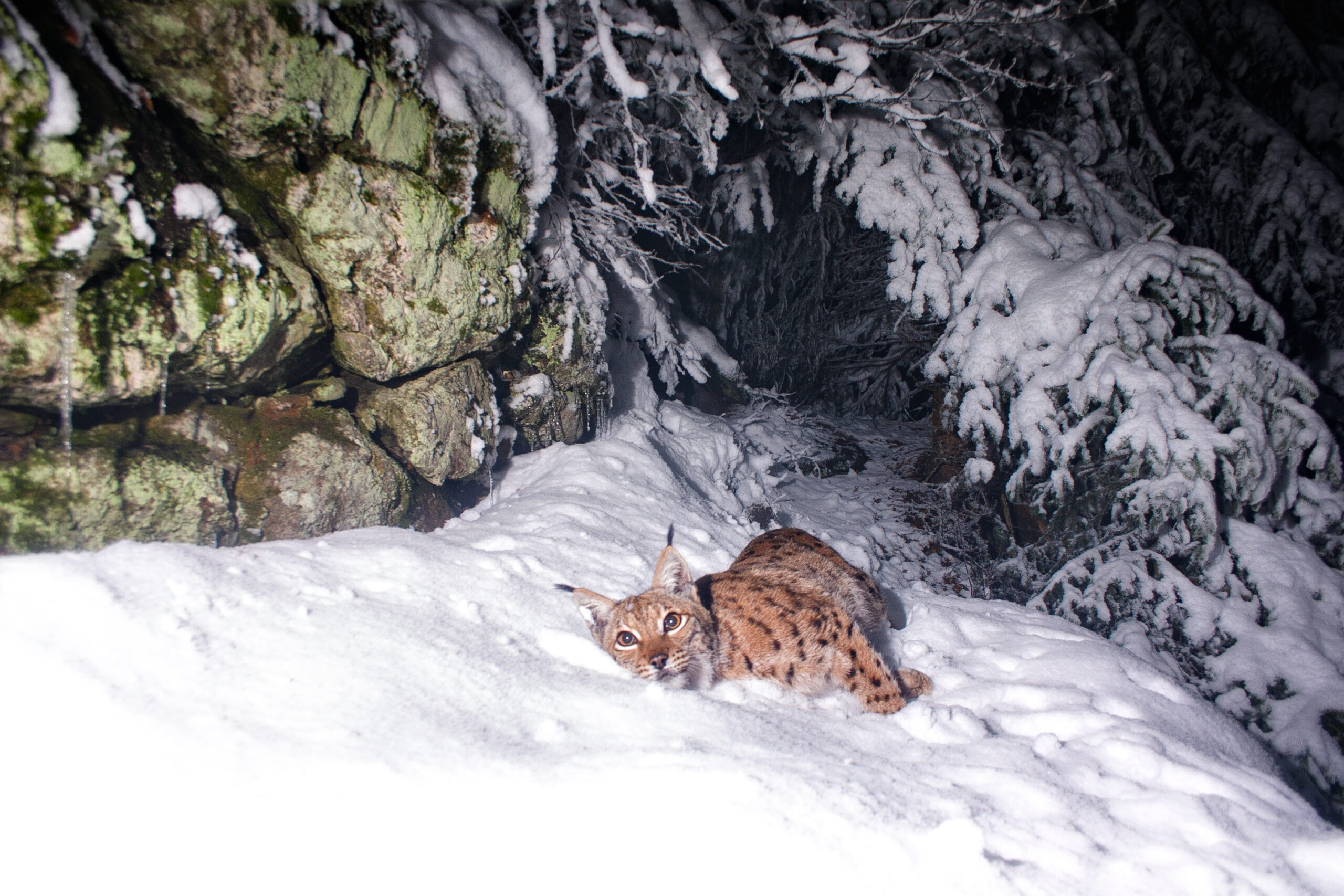
The extreme cold of winter can be a challenge for most living beings, but animals living in freezing environments have developed remarkable adaptations to not only survive but thrive in such harsh conditions.
From evolving unique physical traits to clever survival strategies, the animal kingdom is filled with examples of how life can endure in the most frigid climates.
In this article, we’ll explore 10 of the most fascinating ways animals have adapted to survive below freezing temperatures.
Reindeer- Ultraviolet Vision and Surviving the Dark Winters
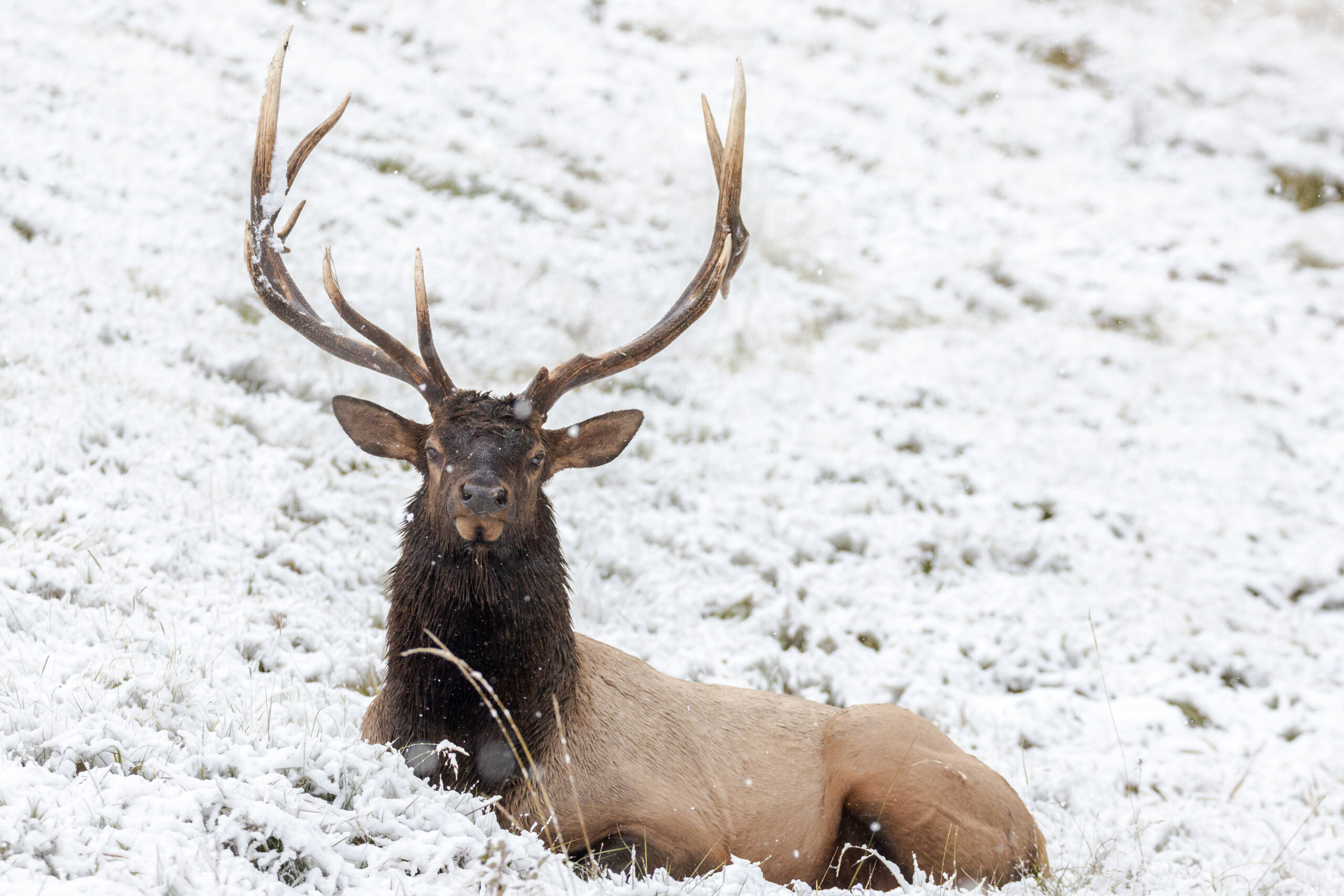
Reindeer, also known as caribou in North America, are emblematic of survival in extreme cold. These majestic creatures roam the snowy landscapes of the Arctic Circle, facing some of the most challenging winter conditions on Earth.
A key adaptation of reindeer is their ability to see ultraviolet (UV) light. While most mammals see only a portion of the light spectrum, reindeer can detect UV rays that reflect off the snow.
This unique ability allows them to spot predators, such as wolves, and their primary food source, lichen, much more effectively in winter. Lichens, though white, absorb UV light, making them stand out against the snow-covered backdrop.
Bears- Hibernation and Recycling Waste for Survival
Bears are mammals that endure extreme cold temperatures during hibernation. During this time, they enter a state of reduced metabolic activity and can remain inactive for up to five months.
While hibernating, bears do not eat, drink, or urinate. Unlike other mammals, bears possess the extraordinary ability to recycle waste products such as urea, which would typically build up and cause damage.
Instead, they process these waste materials in a way that prevents any buildup of toxic substances in their body, essentially using them to maintain bone mass and muscle tissue during their extended dormancy.
Snakes- Brumation for Winter Survival
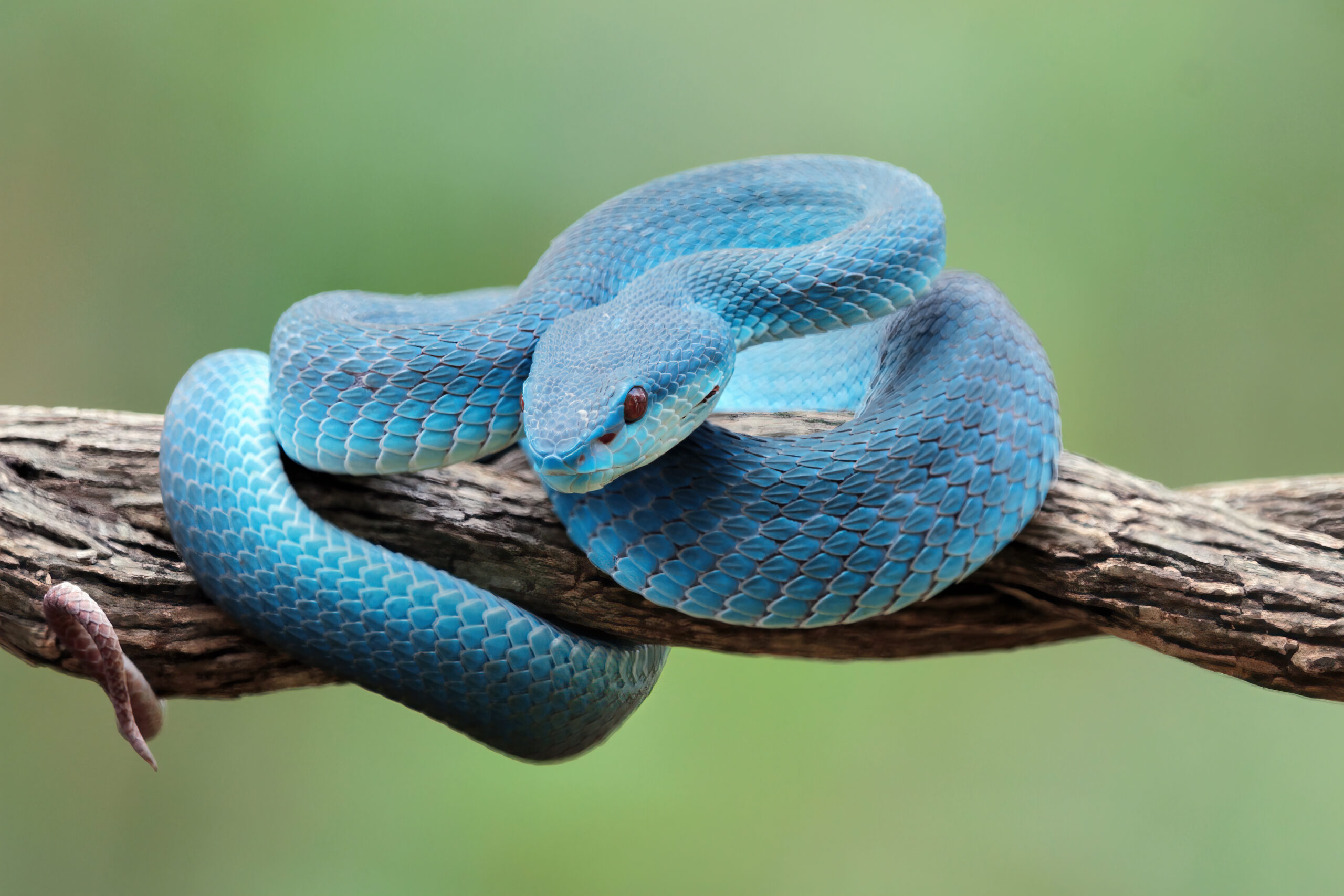
Cold-blooded creatures like snakes face a significant challenge when the temperatures drop.
Unlike warm-blooded animals, snakes cannot generate their own body heat, making them vulnerable to freezing temperatures. To cope, snakes enter a state known as brumation, a form of dormancy similar to hibernation but distinct in its characteristics.
During brumation, snakes slow their metabolism and refrain from eating. They seek shelter in burrows or deep crevices where they can remain insulated from the cold.
Some species will occasionally emerge from brumation on warmer winter days to bask in the sun and raise their body temperature. This behavior allows them to survive freezing conditions by minimizing energy expenditure and avoiding freezing.
Antarctic Fish- Internal Antifreeze to Prevent Freezing
In the icy waters of Antarctica, fish such as notothenioids are thriving despite the extreme cold. The water temperature in these waters is barely above freezing, but these fish possess a natural antifreeze that prevents their blood from freezing.
The key lies in a special protein in their blood that binds to the ice crystals that might otherwise form, preventing them from expanding and causing damage.
This internal antifreeze is incredibly effective, allowing these fish to survive in waters that would freeze the blood of most other animals.
Even when the water temperature drops to below freezing, the fish remain safe as long as the temperature stays above -2.7°C (27.1°F). Their ability to live in such extreme conditions showcases the power of nature’s adaptations.
Wood Frogs- Freezing and Surviving in the Arctic Circle
Wood frogs are perhaps the most surprising survivors of extreme cold, having evolved to withstand freezing solid. These frogs inhabit forests across North America, reaching as far north as the Arctic Circle.
During the winter months, wood frogs hibernate in shelters beneath the forest floor, where they risk freezing.
When the temperature drops below freezing, up to 70% of the water in their bodies can freeze, and their bodily functions, including breathing and blood circulation, cease.
Remarkably, wood frogs survive this freezing process by producing high levels of glucose in their blood. The glucose acts as a cryoprotectant, preventing ice from forming inside their cells and causing irreparable damage. When temperatures rise in spring, the frogs thaw out and resume their normal lives.
Antarctic Midges- Surviving the Cold with Rapid Cold Hardening
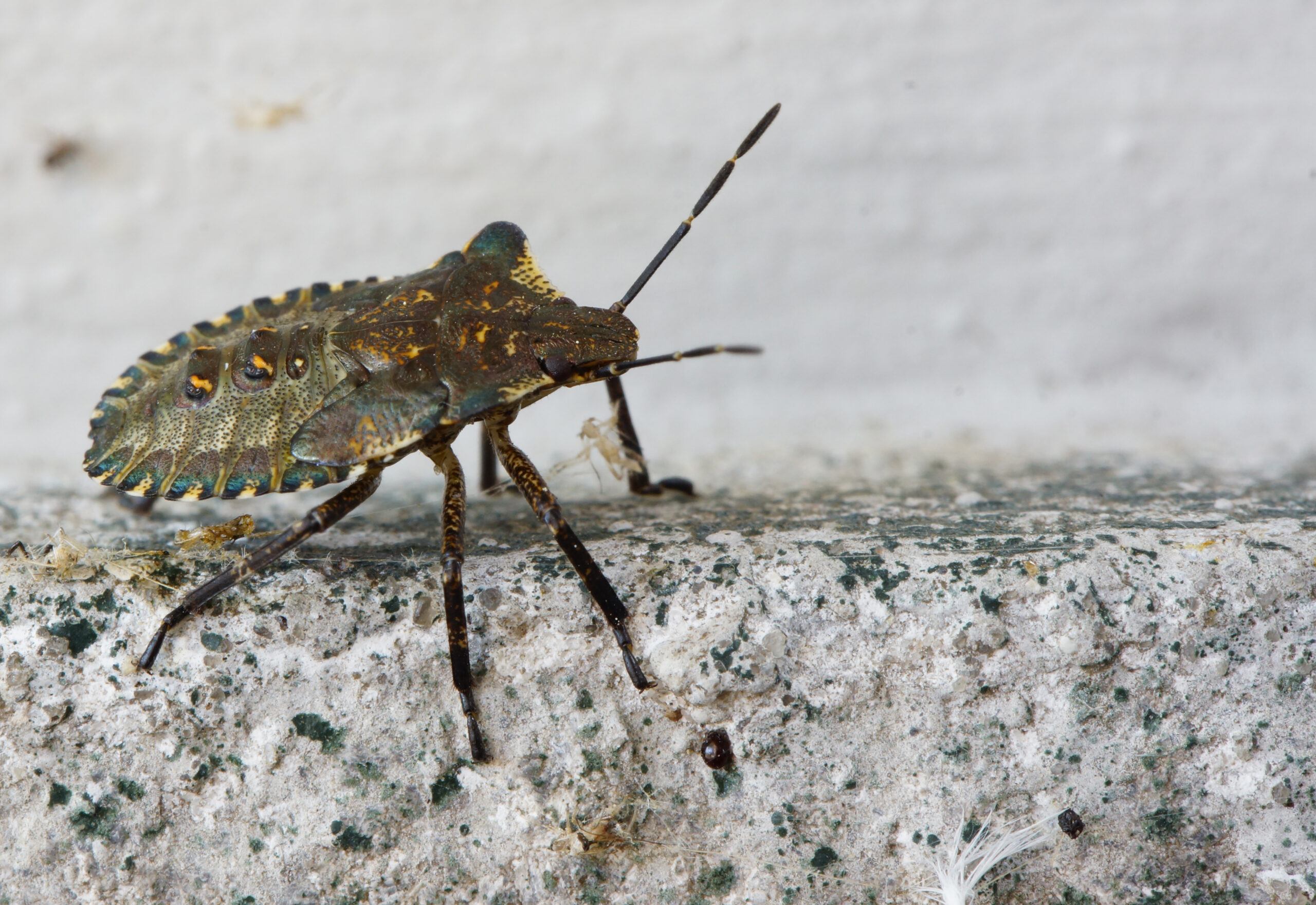
Despite Antarctica’s frigid environment, certain insect species, such as the Antarctic midge, have evolved to endure the harsh conditions. These small creatures spend most of the year frozen in ice, but they have an extraordinary ability to survive in this state.
Their survival strategy involves a process called “rapid cold hardening,” which helps them withstand freezing temperatures.
During this process, the midge’s body adapts quickly to cold temperatures, preventing injury when it freezes. This allows the midge to revive quickly once it warms up.
Scientists are studying this process to see how it could improve organ preservation techniques for human transplants, providing valuable insights into potential medical applications.
Snow Flies- Self-Amputation to Escape Freezing
Snow flies are another remarkable species that thrives in the coldest regions of the world. These insects have developed an extraordinary survival strategy: self-amputation.
When the temperature drops and their bodies begin to freeze, snow flies will sacrifice their own limbs to buy themselves more time to find a mate before they freeze to death.
Psychrophiles- Bacteria That Survive in Ice
Bacteria known as psychrophiles are some of the most resilient organisms on the planet, capable of surviving in freezing conditions that would obliterate most other life forms. These extremophiles live in ice, sea ice, and glaciers, where they endure the coldest environments known to life.
Psychrophiles possess unique adaptations, such as cold-active enzymes that function optimally at low temperatures. These bacteria also produce antifreeze proteins that prevent ice from forming inside their cells.
Himalayan Songbirds- Adapted Feathers for Cold and Elevation
The Himalayan songbirds, including species like the crimson sunbird, have developed unique adaptations to survive the cold mountain climates of the Himalayas.
These birds’ feathers are not only thick but also specially adapted to the specific elevations at which they live. The higher the elevation, the thicker the birds’ feathers become.
Ducks- Counter-Current Heat Exchange to Protect Their Feet
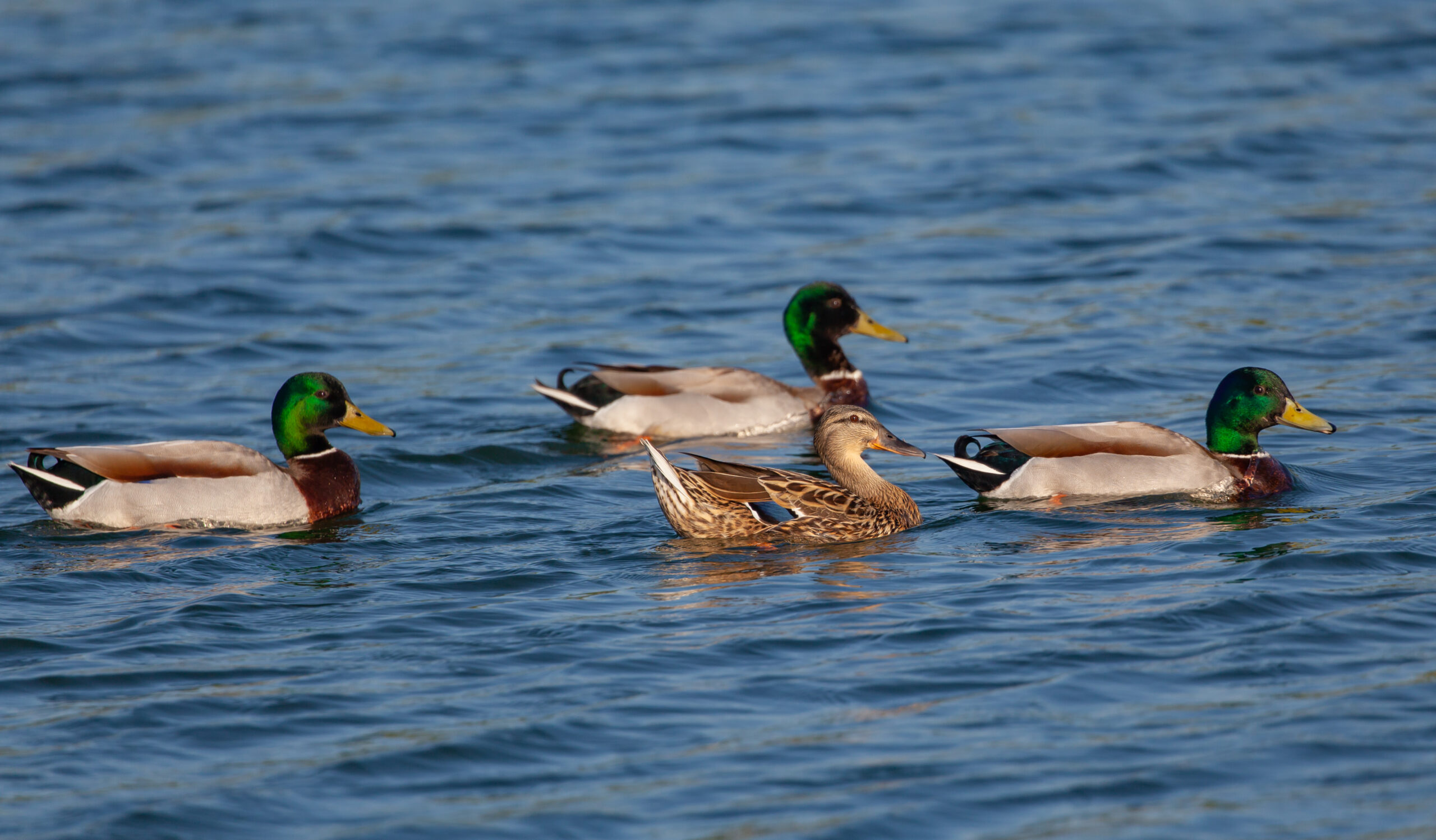
Ducks are known for swimming in cold waters, but their feet don’t freeze, thanks to a clever adaptation known as counter-current heat exchange. Ducks’ arteries, which carry warm blood to their feet, run alongside veins that carry cooler blood back to the heart.
The heat from the arteries warms the cooler blood as it travels back to the body, keeping the duck’s feet at a temperature just above freezing.
Conclusion
Nature has provided animals with an array of extraordinary strategies for surviving freezing temperatures.
Whether it’s through ultraviolet vision, hibernation, brumation, or the production of antifreeze, these animals showcase the amazing resilience and adaptability of life in extreme conditions.
By studying these remarkable adaptations, we gain a deeper appreciation for nature’s ingenuity and its ability to overcome even the harshest challenges.