



The post 10 Everyday Things Americans Did 20 Years Ago That Feel Almost Unbelievable Today first appeared on Crafting Your Home.
It is hard to believe how much daily life has changed in just two decades. Around 2005 and 2006, Americans already had cellphones, internet access, online shopping, and digital entertainment, but technology had not yet become the always-on, pocket-sized assistant it is today.
Back then, many everyday routines still depended on physical objects, fixed locations, and waiting.
People printed directions before road trips, planned television nights around schedules, carried checkbooks, and sat down at a computer to “go online.” Technology existed, but it was not yet woven into every moment of life.
Here are some ordinary habits from the mid-2000s that now feel surprisingly old-fashioned.
Calling Someone’s House and Leaving a Voicemail
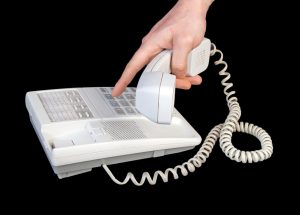
Remember when calling someone did not necessarily mean reaching that person? In many households, the home landline was still the main communication tool. Calling a friend often meant asking a parent or family member, “Is Jamie there?” or leaving a message on an answering machine and waiting for a callback.
Cellphones were becoming popular, but people mostly used them for calls, basic texting, and simple photos. They were not yet the all-in-one devices people carry today for messaging, maps, payments, entertainment, and work. The change was dramatic. Pew Research Center data showed that cellphone ownership was still growing in 2005–2006, meaning many adults still didn’t have one. Today, smartphones have made communication immediate and personal.
Now, instead of calling a family phone, people send a text, share a location, send a voice message, or start a video call.
The phrase “I’ll call you later” has almost been replaced by “check your messages.”
Printing Directions Before Leaving the House

Getting lost used to be a real possibility. Before smartphones became everyday navigation tools, many drivers printed directions from websites like MapQuest, wrote down instructions, or kept a paper atlas in the car. GPS devices existed, but they were separate gadgets,not something built into nearly everyone’s phone.
The internet helped people prepare routes, but most planning happened before leaving home. Mobile phones did not yet provide the constant live maps, traffic updates, and automatic rerouting people rely on now. Today, missing an exit is usually not a crisis. Your phone simply recalculates and sends you a new route.
Twenty years ago, missing a turn could mean pulling into a gas station and asking a stranger for help.
Paying Bills With Checks

Writing checks was once a normal monthly routine. People wrote checks for rent, utilities, school payments, donations, and everyday expenses. Many households balanced checkbooks and mailed payments with envelopes and stamps.
Checks were still common in 2006, with the Federal Reserve estimating that 30.6 billion checks were paid that year. However, the decline had already started as debit cards and electronic payments became more popular.
Today, many people pay bills through banking apps, automatic withdrawals, digital wallets, and online payment services.
Instead of searching for a pen and stamp, many people simply receive a notification and tap “pay.”
Carrying Cash Everywhere
A wallet without cash used to feel incomplete. People carried money for taxis, small stores, tips, vending machines, babysitters, and splitting bills. Asking “Do you have cash?” was a normal part of making plans. Cash has not disappeared; it remains important for many people. In 2024, cash represented 14% of consumer payments.
But today, cards, phone payments, and money-transfer apps have changed expectations. Friends can split dinner through an app, and shoppers can tap a phone instead of counting bills.
The awkward search for exact change has become much less common.
Going to Stores for Almost Everything
Shopping used to require leaving the house. For many families, buying clothes, electronics, books, groceries, or household items meant visiting a physical store. Online shopping existed, but it wasn’t yet part of everyday life the way it is now. In the first quarter of 2005, e-commerce represented about 2.3% of total retail sales.
Fast forward to today, and online shopping has become a major part of retail. The U.S. Census Bureau reported e-commerce represented 16.4% of retail sales in the second quarter of 2026. Now, people compare prices, read reviews, order groceries, and track deliveries without leaving their couch.
Waiting for Your Favorite TV Show
Missing a show used to mean actually missing it. In the mid-2000s, television schedules controlled entertainment. Viewers tuned in at specific times, recorded programs with DVRs or VCRs, or waited for reruns. Streaming changed that completely.
Today, people watch entire seasons at once, pause whenever they want, and choose entertainment around their own schedules.
The biggest difference is control. The audience no longer waits for television, the television waits for the audience.
Renting DVDs and Buying CDs
Movie night once involved a trip to a rental store. Families visited places like video rental shops, searched shelves, hoped their favorite movie was available, and remembered return deadlines. Music fans purchased CDs and built physical collections. Today, streaming platforms and digital music services have replaced much of that routine.
Streaming now dominates recorded music consumption, with streaming accounting for 84% of U.S. recorded-music revenue in 2024.
The biggest challenge now is not finding something to watch, it is choosing from thousands of options.
Using a Desktop Computer as “The Internet”
Twenty years ago, going online usually meant sitting at a computer.
People checked email, searched websites, chatted, printed documents, and uploaded photos from a desktop or laptop. Digital life was tied to a location.
Today, the internet follows people everywhere. Phones allow users to check messages, maps, payments, schedules, and entertainment throughout the day. The computer did not disappear; it simply stopped being the only doorway to the digital world.
Reading News From a Physical Newspaper
The morning newspaper used to be a daily ritual for many people. A single paper could provide local news, sports, advertisements, coupons, job listings, and entertainment information. Today, many people get news through phones, apps, social media, newsletters, and alerts. In 2025, 86% of U.S. adults said they received news from digital devices at least sometimes.
News became faster and more personalized, but also more complicated to navigate.
Assuming Every Office Job Required a Daily Commute
For many office workers, going to the workplace every weekday was simply the standard. Remote work existed, but it was not the mainstream expectation it became after the pandemic. Today, some workers use hybrid schedules, video meetings, cloud documents, and remote collaboration tools.
Still, commuting remains part of life for millions of workers. The biggest change isn’t that everyone works from home , it is that many people now know another option exists. Technology did not erase the old world overnight. Instead, it slowly replaced waiting, planning ahead, and physical routines with speed, convenience, and constant connection.
The funny part? People in 2005 probably thought they were already living in the future. They just had no idea how much further the future would go.
Other Posts You May Like
- 11-old-school-rules-younger-americans-are-refusing-to-follow
- u-s-laws-and-everyday-customs-that-surprise-people-from-other-countries
If you like what you just read, then subscribe to our newsletter and follow us on social media.


