10 Effective Coping Mechanisms to Boost Your Mental Health
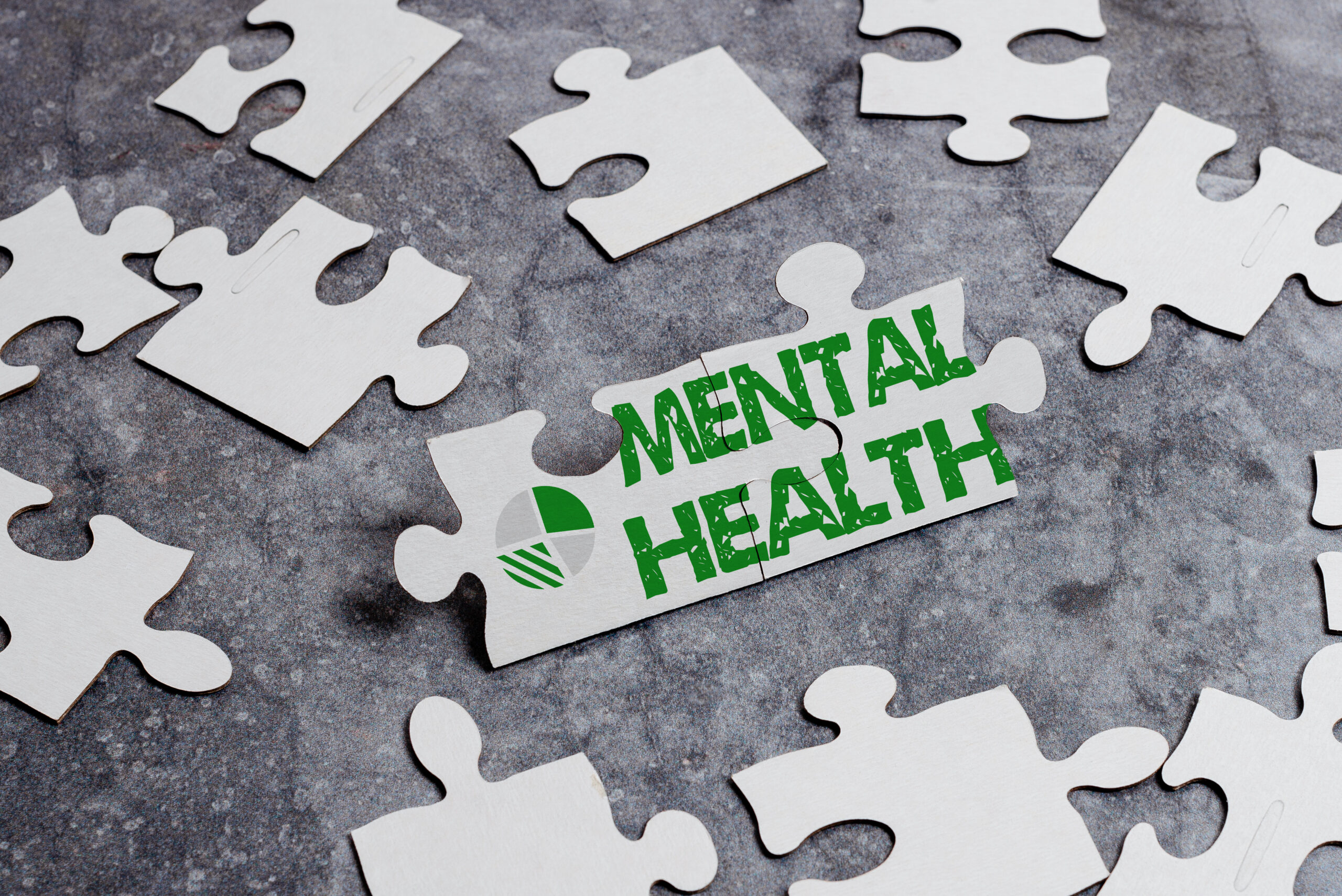
Conceptual display Mental Health, Word Written on persons condition regard to their psychological well being Building An Unfinished White Jigsaw Pattern Puzzle With Missing Last Piece
Mental health plays a significant role in our overall well-being. It’s crucial to recognize the importance of maintaining mental health just as we do with physical health.
Stress, anxiety, depression, and other mental health struggles are everyday experiences, but there are coping mechanisms available to help manage these challenges.
In this guide, we explore ten of the best coping mechanisms to maintain your mental health and well-being, focusing on holistic approaches and practical tools.
Practice Gratitude

Gratitude is a powerful coping mechanism that can significantly shift your mindset and improve your mental health. By focusing on what you are thankful for, you can reduce feelings of stress, anxiety, and depression.
Gratitude helps reframe negative thought patterns and enhances emotional resilience.
How to Practice Gratitude:
- Daily Reflection: Take a few minutes each day to reflect on the things you are grateful for. This could be as simple as a warm cup of coffee or the support of a loved one.
- Gratitude Journal: Keep a gratitude journal and write down at least three things you’re thankful for every day. Over time, this practice helps rewire your brain to focus on the positive.
- Share Your Gratitude: Express your appreciation to others regularly, either through words or small gestures. This can strengthen relationships and create a positive feedback loop of well-being.
Box Breathing
Box breathing, also known as square breathing, is a simple technique that promotes relaxation and reduces anxiety.
This deep breathing exercise helps regulate the body’s stress response, allowing you to focus and regain calmness.
Steps for Box Breathing:
- Inhale: Breathe in slowly through your nose for a count of four.
- Hold: Hold your breath for a count of four.
- Exhale: Exhale slowly through your mouth for a count of four.
- Hold: Pause and hold your breath again for a count of four.
- Repeat the cycle for several minutes, focusing on the rhythm of your breath.
By activating the parasympathetic nervous system, box breathing helps reduce stress and promotes mental clarity.
Positive Self-Talk
Negative self-talk can exacerbate feelings of anxiety, stress, and depression.
Replacing self-critical thoughts with positive affirmations can help shift your mindset and improve your self-esteem.
Tips for Positive Self-Talk:
- Identify Negative Thoughts: Pay attention to when negative self-talk arises and challenge those thoughts.
- Reframe the Narrative: Replace negative thoughts like “I’m not good enough” with positive affirmations such as “I am capable and worthy of success.”
- Practice Regularly: Consistently reinforce positive self-statements, especially in moments of stress or self-doubt.
Incorporating positive self-talk into your daily routine can gradually transform your inner dialogue and enhance your emotional resilience.
Progressive Muscle Relaxation (PMR)
Progressive Muscle Relaxation is an effective technique that helps relieve muscle tension, which often accompanies stress and anxiety.
By systematically tensing and relaxing each muscle group, you can experience profound physical and emotional relaxation.
How to Practice PMR:
- Find a Quiet Place: Sit or lie in a comfortable position in a calm environment.
- Start at Your Head: Tense the muscles in your forehead for a few seconds, then release.
- Move Down Your Body: Gradually work your way down, tensing and relaxing muscles in the face, neck, shoulders, arms, and legs.
- Focus on the Sensations: As you release tension, notice the relaxation that follows.
This practice can significantly reduce physical stress symptoms and improve your mental state.
Maintain Proper Sleep Hygiene

Adequate sleep is vital for emotional and cognitive function. Sleep hygiene refers to the habits and practices that promote quality sleep, which in turn can help manage stress, anxiety, and depression.
Tips for Better Sleep Hygiene:
- Create a Consistent Sleep Schedule: Go to bed and wake up at the same time each day, even on weekends.
- Wind Down Before Bed: Establish a calming bedtime routine with activities like reading or gentle stretching.
- Limit Screen Time: Avoid screens at least an hour before sleep to prevent blue light from disrupting your circadian rhythm.
- Optimize Your Sleep Environment: Ensure your bedroom is cool, dark, and quiet to foster restful sleep.
Improving your sleep hygiene is one of the simplest yet most impactful ways to enhance mental health and well-being.
Cognitive-Behavioral Therapy (CBT)
Cognitive-Behavioral Therapy (CBT) is a well-established therapeutic technique that helps individuals recognize and change negative thought patterns and behaviors.
By addressing the root causes of mental health struggles, CBT helps individuals develop effective coping strategies.
Steps to Begin CBT:
- Identify Negative Thoughts: Work with a therapist to uncover negative or distorted thinking patterns that may be contributing to your struggles.
- Challenge Your Thoughts: Learn to challenge irrational beliefs and replace them with more balanced, realistic perspectives.
- Set Goals: Collaborate with your therapist to set actionable goals that help you manage symptoms and improve mental health.
CBT is a structured, evidence-based approach that can be highly effective in managing mental health issues.
Social Support
Social support is one of the most powerful coping mechanisms for mental health.
Connecting with friends, family, and support groups provides a sense of belonging, reduces isolation, and enhances emotional resilience.
How to Build Your Social Support Network:
- Reach Out: Don’t hesitate to contact loved ones when you’re feeling down. Whether by phone, text, or face-to-face, reaching out can provide immediate emotional relief.
- Join Support Groups: Many communities offer support groups for individuals facing similar challenges. Sharing your experiences with others can be healing.
- Offer Support: Strengthen relationships by offering emotional support to others in need. This reciprocal exchange fosters deeper connections and emotional well-being.
Building a strong social support network is essential for long-term mental health.
Mindfulness Meditation
Mindfulness meditation is a technique that encourages full awareness of the present moment.
By cultivating mindfulness, you can reduce stress, enhance emotional regulation, and improve overall mental well-being.
How to Practice Mindfulness Meditation:
- Find a Quiet Spot: Sit comfortably in a quiet place where you won’t be disturbed.
- Focus on Your Breath: Close your eyes and focus on the sensation of breathing in and out.
- Acknowledge Thoughts Without Judgment: As thoughts arise, acknowledge them without judgment and gently return your focus to your breath.
- Increase Duration Gradually: Start with a few minutes each day and gradually extend your practice.
Mindfulness meditation helps you develop greater self-awareness and emotional clarity.
Exercise
Exercise is a potent tool for managing mental health. Physical activity increases endorphins, which are natural mood elevators.
Whether it’s walking, running, yoga, or strength training, exercise has profound benefits for both your body and mind.
How to Start an Exercise Routine:
- Start Small: Begin with activities you enjoy, such as a daily walk or yoga session.
- Set Realistic Goals: Gradually increase the intensity and duration of your workouts as you build endurance.
- Stay Consistent: Make exercise a regular part of your routine to experience lasting mental health benefits.
Exercise not only strengthens the body but also improves mood, reduces anxiety, and helps manage stress.
Creative Expression

Creative expression, such as drawing, painting, writing, or dancing, offers a healthy outlet for emotions.
Engaging in creative activities allows individuals to express their feelings constructively, reducing emotional tension and enhancing mental well-being.
Tips for Creative Expression:
- Find Your Medium: Whether it’s writing, drawing, painting, or dancing, choose a creative activity that resonates with you.
- Allow Yourself to Be Free: Don’t focus on creating perfection. Let your emotions guide your expression.
- Create a Routine: Incorporate creative expression into your daily or weekly routine to unwind and process emotions.
Creative activities offer an excellent way to reduce stress, enhance emotional clarity, and boost overall mental health.
Conclusion
By incorporating these ten coping mechanisms into your daily routine, you can build a strong foundation for better mental health and well-being.
Start small, be patient with yourself, and remember that mental health is a journey, not a destination.