10 Deadly Flowers That Can Kill You

Flowers have long been symbols of beauty, love, and admiration, but beneath their vibrant petals lies a darker side. Some flowers are toxic to humans and animals.
While these flowers might grace your garden with their allure, it’s important to recognize the potential dangers they pose. Below, we delve into 10 stunning but poisonous flowers that can bring harm if mishandled or ingested.
Knowledge of these flowers can help you enjoy their beauty safely and prevent any harmful encounters.
Oleander (Nerium oleander)

Oleander, with its clusters of stunning, trumpet-shaped blooms in pink, red, or white, is a common ornamental shrub. However, every part of the oleander plant is highly toxic, especially its leaves and flowers.
The toxins it contains, oleandrin and neriine, can cause severe nausea, vomiting, heart arrhythmias, and even death if ingested. Both humans and animals, particularly pets, are at risk. Despite its beauty, oleander should be handled with extreme caution.
Toxic Components:
- Oleandrin
- Neriine
Symptoms of Poisoning:
- Nausea and vomiting
- Abdominal pain
- Heart irregularities
- Death in extreme cases
Foxglove (Digitalis purpurea)
Foxglove is a flower that is as captivating as it is dangerous. Known for its tall spires of bell-shaped flowers in hues of purple, pink, and white, foxglove has been used in traditional medicine for centuries.
Yet, the plant contains digitalis, a potent compound that affects the heart. Consumption of even a small amount of foxglove can lead to poisoning, manifesting as dizziness, vomiting, and potentially fatal heart complications.
Toxic Components:
- Digitalis glycosides
Symptoms of Poisoning:
- Nausea and vomiting
- Dizziness and confusion
- Irregular heartbeats
- Potential heart failure
Aconite (Aconitum spp.)
Aconite, often called monkshood or wolfsbane, is one of the most poisonous plants known to mankind. Its striking, hood-shaped flowers in shades of purple and blue may appear inviting, but they contain aconitine, a neurotoxin that affects the heart and nervous system.
Even handling the plant can lead to skin absorption of the toxin, resulting in numbness and tingling. Ingesting any part of the plant is highly dangerous and can lead to respiratory failure and death.
Toxic Components:
- Aconitine
Symptoms of Poisoning:
- Nausea, vomiting, and diarrhea
- Numbness and tingling
- Respiratory paralysis
- Death in severe cases
Lily (Lilium spp.)

While lilies are beloved for their elegance and fragrance, they pose a severe risk to cats. Ingesting even a small part of a lily, whether it’s a petal, leaf, or stem, can cause kidney failure in felines.
The exact toxin is still under research, but the effects are devastating. Dogs are less affected, but it’s still advisable to keep lilies out of reach of pets. For humans, lilies are generally safe, though they should be kept out of reach of children who might accidentally ingest parts of the plant.
Toxic Components:
- Unknown toxin (specific to cats)
Symptoms of Poisoning in Cats:
- Loss of appetite
- Vomiting and lethargy
- Kidney failure
Deadly Nightshade (Atropa belladonna)
Deadly Nightshade, also known as belladonna, is infamous for its toxic properties. It bears dark purple flowers and produces berries that resemble small cherries.
The plant contains tropane alkaloids, particularly atropine, scopolamine, and hyoscyamine, which can cause dilated pupils, blurred vision, hallucinations, and even death. This plant has a long history of use in poisonings and is highly toxic to both humans and animals.
Toxic Components:
- Atropine
- Scopolamine
- Hyoscyamine
Symptoms of Poisoning:
- Dilated pupils and blurred vision
- Hallucinations and delirium
- Difficulty breathing
- Death in extreme cases
Water Hemlock (Cicuta spp.)
Water hemlock is one of the most toxic plants in North America. Often found near marshes and wetlands, it features small white flowers that resemble those of Queen Anne’s lace.
The plant contains cicutoxin, a potent neurotoxin that can cause seizures, convulsions, and respiratory failure. Even a small amount of water hemlock can lead to death. Its toxicity is particularly dangerous to livestock and wildlife, though humans are also at risk if they come into contact with the plant.
Toxic Components:
- Cicutoxin
Symptoms of Poisoning:
- Seizures and convulsions
- Nausea and vomiting
- Respiratory failure
- Death in severe cases
Rhododendron (Rhododendron spp.)
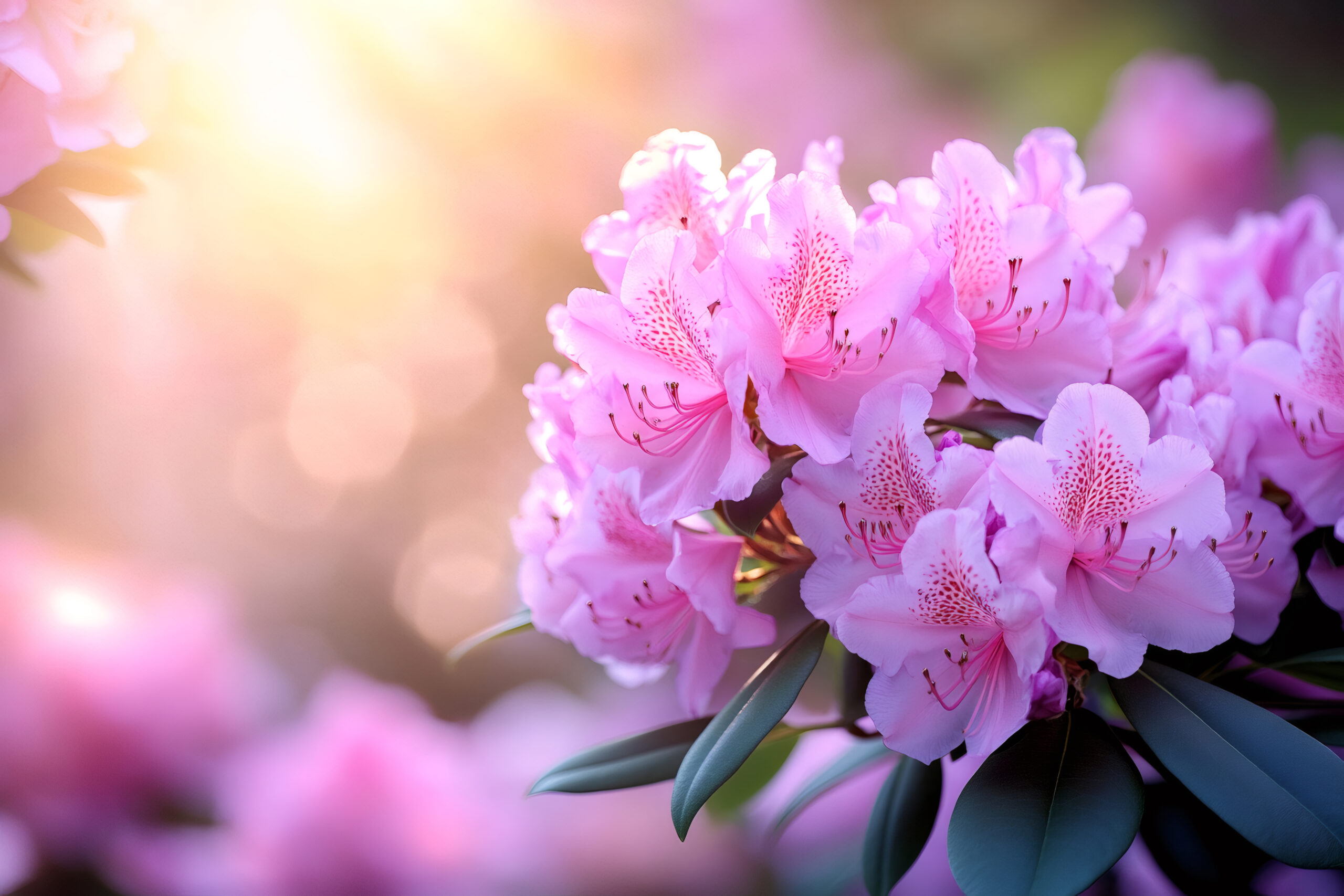
Rhododendrons are ornamental shrubs with large clusters of vibrant flowers, ranging from white to purple and red. Unfortunately, they contain grayanotoxins, compounds that can cause severe poisoning in both humans and animals.
Ingesting any part of the plant, including the nectar, can cause symptoms such as vomiting, low blood pressure, and irregular heart rhythms. In extreme cases, the toxins can cause death.
Toxic Components:
- Grayanotoxins
Symptoms of Poisoning:
- Vomiting and diarrhea
- Drooling and lethargy
- Low blood pressure and heart irregularities
- Death in extreme cases
Angel’s Trumpet (Brugmansia spp.)
Angel’s Trumpet is known for its stunning, trumpet-shaped flowers that hang downward in a variety of colors, from white to pink and yellow. However, this flower contains tropane alkaloids such as scopolamine, which can cause delirium, hallucinations, and toxic reactions.
Both ingestion and inhalation of the plant’s parts are dangerous. The hallucinogenic effects may be enticing to some, but the plant’s toxicity can cause severe harm or even death.
Toxic Components:
- Scopolamine
- Hyoscyamine
Symptoms of Poisoning:
- Hallucinations and delirium
- Dilated pupils and blurred vision
- Dry mouth and difficulty swallowing
- Death in extreme cases
Daffodils (Narcissus spp.)
Daffodils are iconic spring flowers with bright yellow petals and trumpet-shaped blooms. While they may seem harmless, they contain lycorine, an alkaloid that can cause nausea, vomiting, and diarrhea if ingested.
The bulb of the daffodil is especially dangerous, as it contains higher concentrations of the toxin. While the effects are usually not fatal in humans, ingestion of large quantities can lead to severe gastrointestinal distress.
Toxic Components:
- Lycorine
Symptoms of Poisoning:
- Nausea and vomiting
- Diarrhea and abdominal pain
- Ingestion of large quantities can lead to severe gastrointestinal distress
Cherry Laurel (Prunus laurocerasus)

Cherry laurel is a shrub often used in landscaping for its glossy green leaves and white flowers. However, it contains cyanogenic compounds, which can release cyanide when metabolized by the body.
Ingesting any part of the plant, including the berries, leaves, and stems, can lead to symptoms such as dizziness, difficulty breathing, and even death. The toxins are particularly dangerous to children and pets, so it’s important to keep this plant out of reach of children and pets.
Toxic Components:
- Cyanogenic compounds
Symptoms of Poisoning:
- Difficulty breathing
- Dizziness and weakness
- Cyanide poisoning leading to death
Conclusion
These 10 flowers serve as a reminder that not all that is beautiful is safe. From the vibrant petals of the oleander to the delicate blooms of the daffodil, many flowers contain toxins that can cause serious harm if ingested or mishandled.
While these flowers add undeniable beauty to gardens and landscapes, it’s important to approach them with caution. Keep them out of reach of children and pets, and be aware of their toxicity so you can enjoy their beauty without risk.