10 Dangerous Herbivores You Should Definitely Avoid
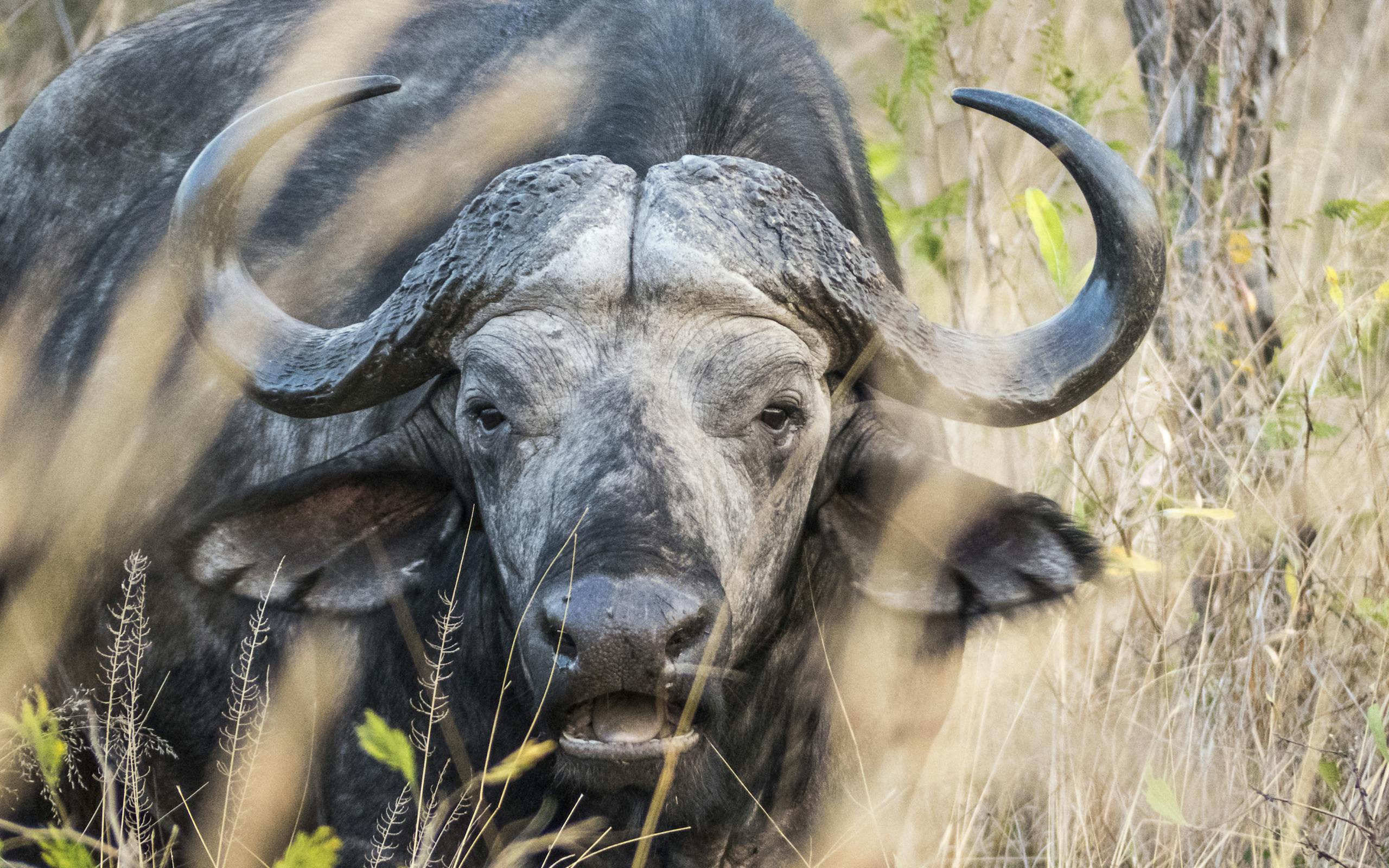
Close-up of a majestic African buffalo in Kruger National Park, South Africa.
Image Credit: Jos van Ouwerkerk via Pexels
When it comes to dangerous animals, we often think of carnivorous predators like lions, tigers, and sharks. Yet, many herbivores, animals that primarily feed on plants, can be just as deadly. These creatures might not fit the typical “dangerous animal” stereotype, but their size, strength, or unexpected aggression makes them formidable opponents. Whether you’re exploring the wild or just curious, here’s a list of 10 herbivores you probably want to avoid.

Why Do Herbivores Become Dangerous?

Herbivores are typically known for their peaceful, docile nature and for feeding on grasses, fruits, and leaves. But not all herbivores are harmless. These creatures may be equipped with powerful defenses or aggressive instincts, making them a danger to humans and other animals. They might attack if they feel threatened, provoked, or if they’re defending their young or territory.

Understanding why some herbivores can be dangerous begins with their survival instincts. In the wild, herbivores are constantly under threat from predators, which has led them to develop various defense mechanisms to protect themselves.

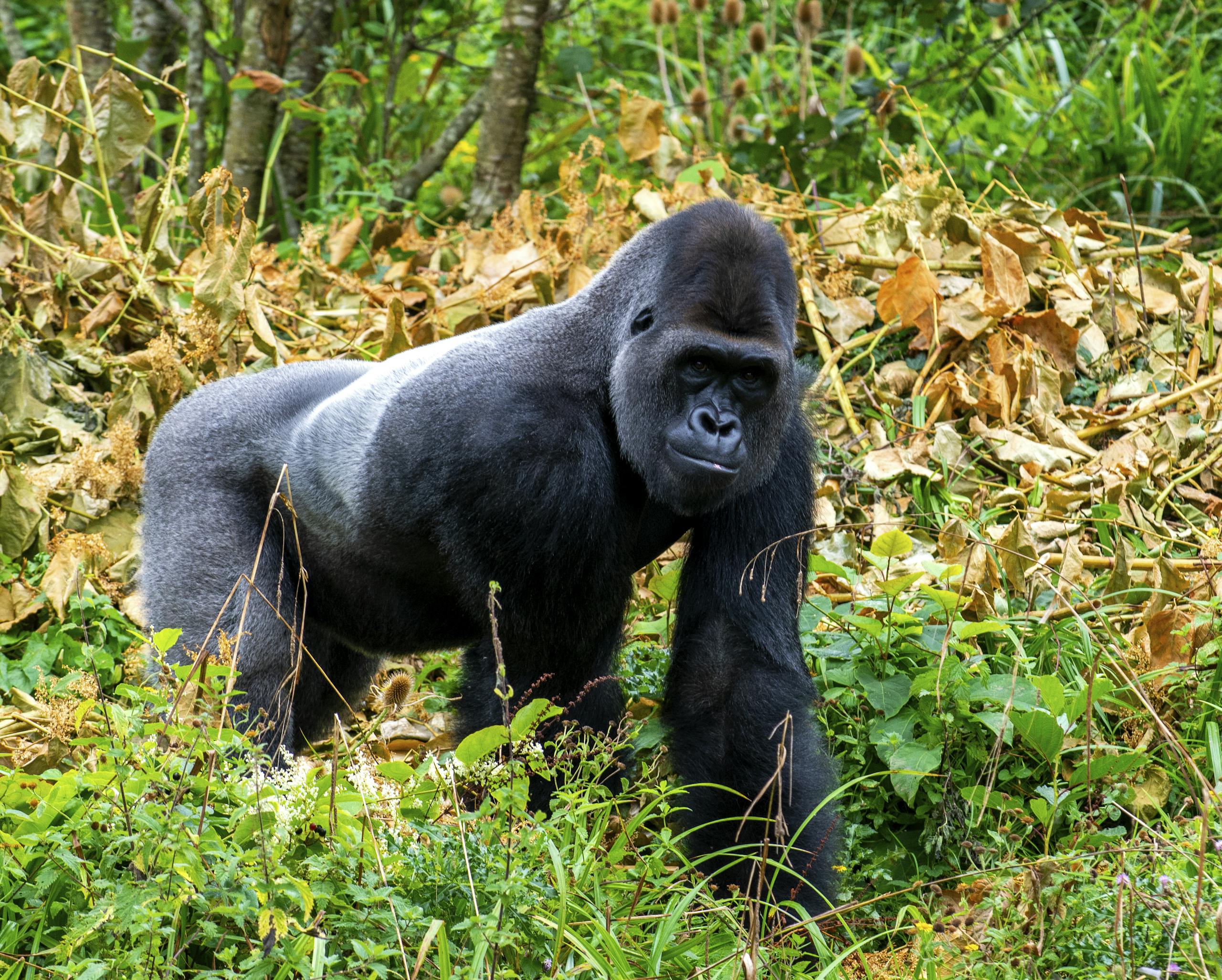
Gorillas

Captivating shot of a Western Lowland Gorilla in lush greenery, showcasing wildlife beauty.
Image Credit: David Atkins via Pexels

Gorillas are primarily herbivores, with their diet consisting mostly of leaves, fruits, and stems. Despite their calm demeanor, these massive creatures should not be underestimated. Adult male gorillas, known as silverbacks, can weigh up to 400 pounds and possess incredible strength, approximately 10 times that of an average human.

Although gorillas are generally peaceful, they become territorial and aggressive if they feel their group is threatened. Their powerful arms, sharp teeth, and large size make them a formidable adversary. Gorillas are capable of running faster than humans and can strike with immense force.

Bison

Bison, also known as buffalo, are often seen as gentle creatures grazing peacefully on the plains. However, these large herbivores are responsible for more human deaths in national parks than many predators combined. Weighing up to 2,000 pounds, bison can reach speeds of 35 miles per hour.

Their aggression is typically triggered when humans invade their personal space or come between them and their calves. A startled or threatened bison can charge in an instant, with its sharp horns and heavy body capable of causing significant damage.

Cassowaries

Found in the rainforests of New Guinea and Northern Australia, cassowaries are large, flightless birds that are considered one of the most dangerous birds in the world. These birds can grow up to 6 feet tall and weigh over 130 pounds. They possess powerful legs and sharp claws, with the inner claw measuring up to 5 inches long.

Cassowaries are usually peaceful, but if provoked, they can become extremely aggressive. They are known to kick out with their dagger-like claws, which can disembowel or fatally wound a human. Many attacks have been reported when people get too close to a cassowary or its young.

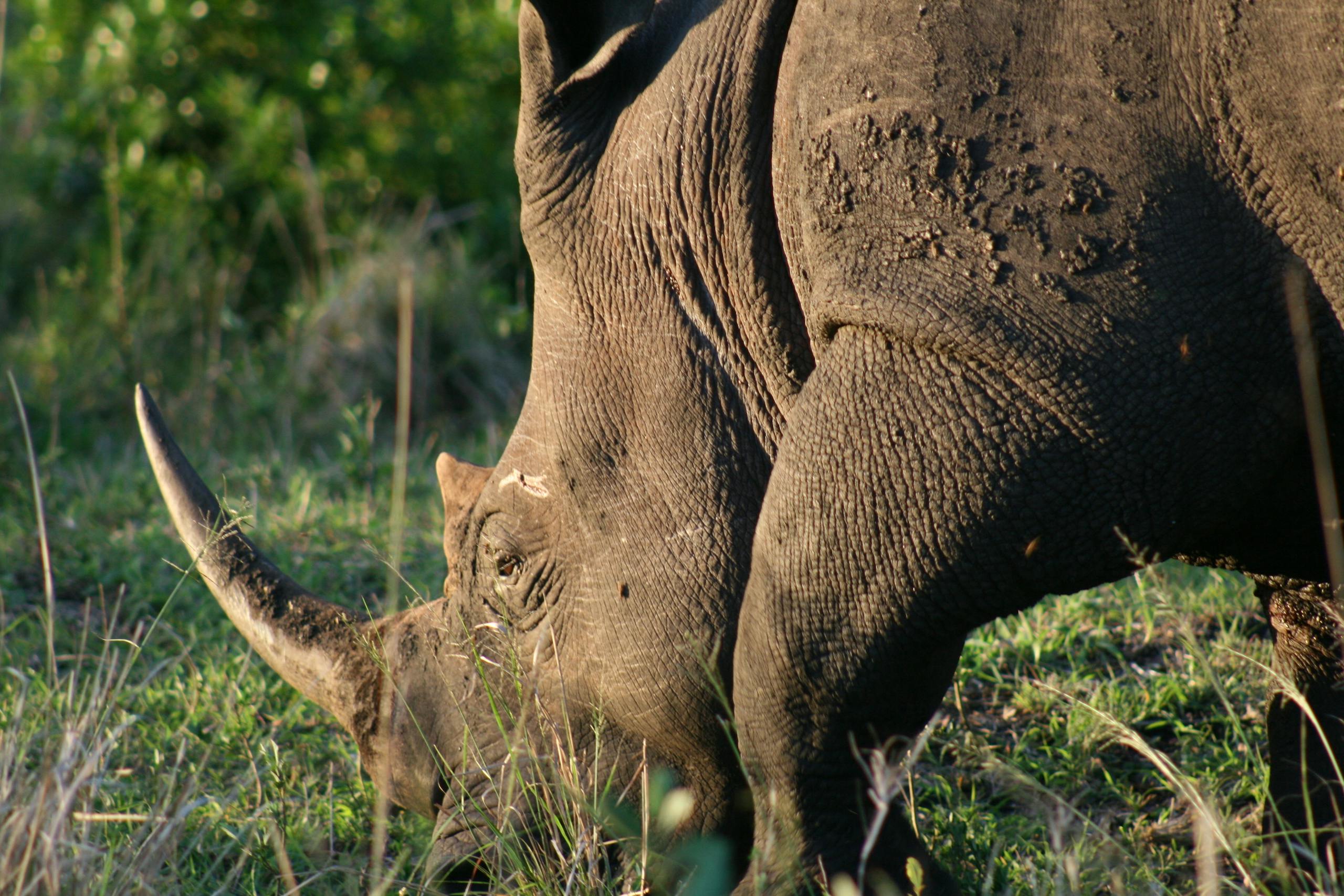
Rhinos

Close-up view of a rhinoceros grazing in its natural habitat, showcasing its impressive horn.
Image Credit: S K via
pexels

Rhinos, whether the white rhino, black rhino, or Indian rhino, are massive herbivores with thick skin and dangerous horns. Weighing up to 3 tons, these animals are powerful enough to charge at speeds of up to 30 miles per hour. Though they are generally peaceful and spend much of their time grazing, rhinos can become highly aggressive when threatened.

Their primary defense is their horn, made of keratin (the same material as human hair and nails). With one quick swipe, a rhino can kill an attacker or crush anything in its path. Some rhinos are also known to bite when they feel cornered, adding to their arsenal of danger.

Cape Buffalo

While it might look like a giant cow, the Cape buffalo is one of Africa’s most dangerous herbivores. These large mammals weigh up to 2,000 pounds and are known for their unpredictable and aggressive behavior. The Cape buffalo’s horns are sharp and can inflict deadly wounds.

Cape buffaloes often travel in large herds, which makes them more dangerous, especially when they feel their territory or group is under threat. They are known to charge at lions, hunters, and even vehicles without warning. In fact, they are responsible for more human deaths in Africa than any other large animal.

Elephants

Elephants, often seen as gentle giants, are responsible for more human fatalities in Africa than any other large animal. Weighing up to 14,000 pounds and standing over 10 feet tall, elephants are incredibly strong. While they are mostly herbivores, their behavior can become unpredictable, particularly if they are in “musth”, a period of increased testosterone that causes male elephants to become more aggressive.

Elephants can attack when protecting their young or if they feel their space is being invaded. Their tusks are formidable weapons, and their large size makes them capable of crushing vehicles and humans with ease. Even more dangerous are the bulls in musth, who have been known to go on violent rampages, attacking anything in their path.

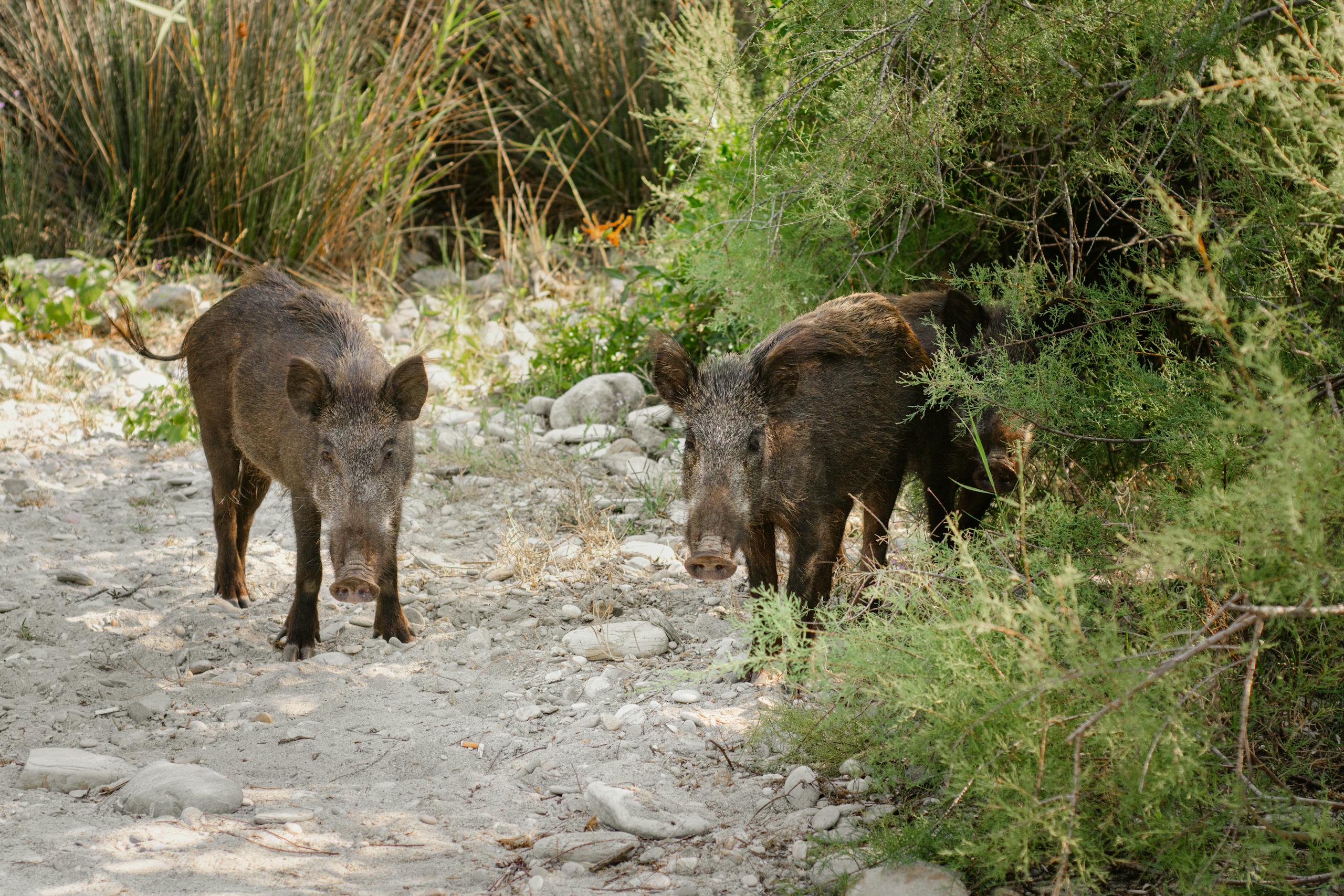
Wild Boars

Two wild boars exploring a sandy path surrounded by greenery in summer wilderness.
Image Credit: Nadiye Odabaşı via Pexels

Although wild boars are omnivores, their diet is predominantly plant-based, consisting of roots, fruits, and nuts. However, they will also scavenge small animals when the opportunity arises. Wild boars are deceptively dangerous because of their sharp tusks and aggressive behavior, especially when they feel cornered or when protecting their young.

Male boars can weigh up to 300 pounds and have tusks that grow up to 6 inches long. These tusks can rip apart predators and humans alike. Wild boars are also known to attack in packs, making them a formidable threat in the wild.

White-Lipped Peccary

Native to Central and South America, white-lipped peccaries are wild pigs that can be incredibly dangerous in large numbers. These animals roam in herds that can number up to 1,000 individuals. Although they primarily feed on plants, they are known to be aggressive and territorial, particularly when one of their members is threatened.

The peccary’s sharp tusks are constantly grinding against each other, sharpening as they close their jaws. If attacked, a herd of peccaries can turn violent, charging at their assailants and inflicting severe injuries with their tusks. If you ever encounter a herd of white-lipped peccaries, the best course of action is to find a tree to climb quickly.

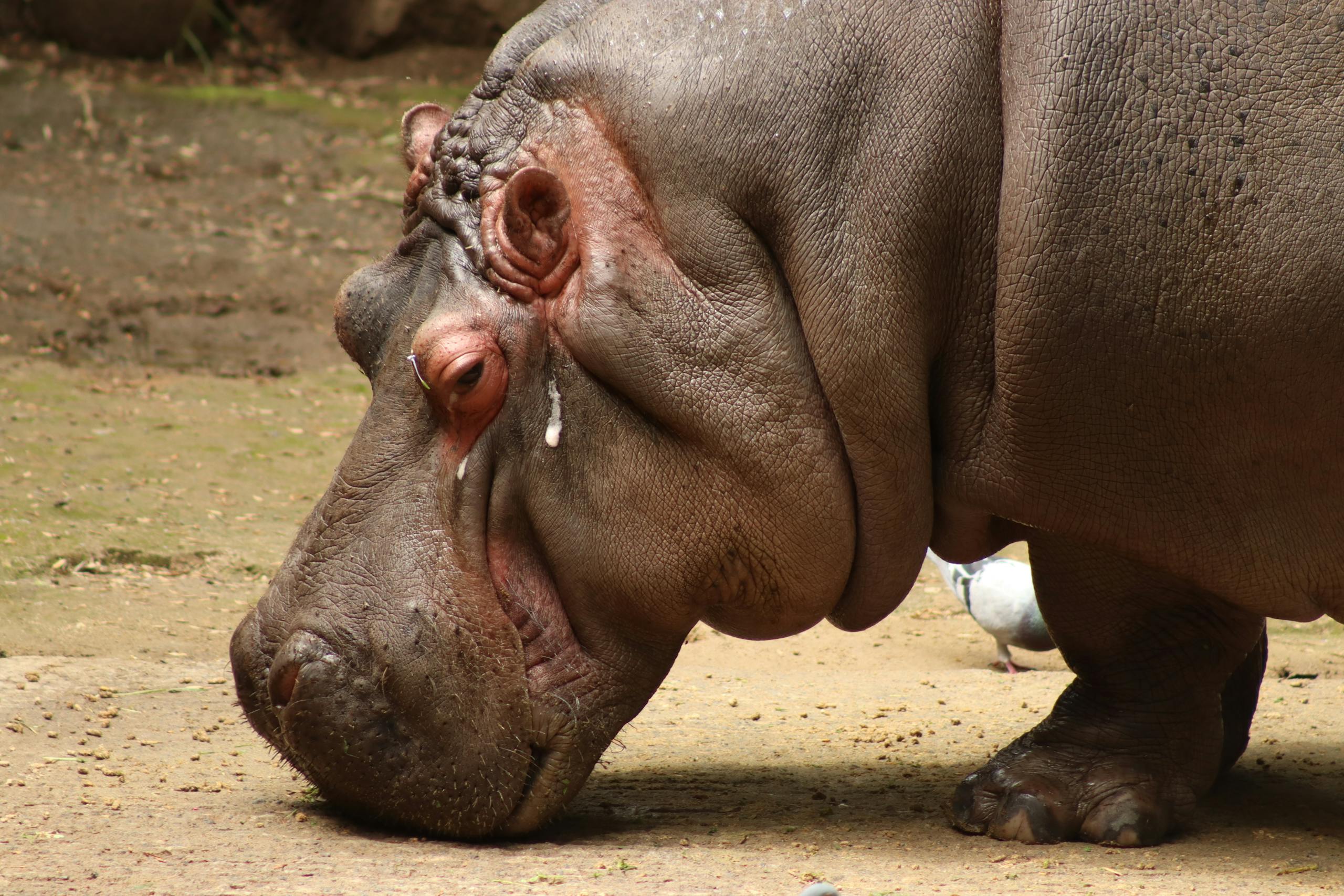
Hippopotamus

A detailed portrait of a hippopotamus at Chapultepec Zoo displaying its massive size and unique features.
Image Credit: Diego Martinez via Pexels

The hippopotamus is often regarded as a peaceful animal, spending most of its day submerged in water. However, the hippo is responsible for more human deaths in Africa than lions, leopards, and crocodiles combined. Despite their massive size, hippos can run at speeds of up to 30 miles per hour on land, and they are extremely territorial.

Their enormous jaws can crush bones, and their tusks are capable of slicing through flesh. Hippos are most dangerous when they feel their space or territory is being encroached upon. They will charge at boats and vehicles in the water, causing fatalities in the process.

Why Should You Avoid These Herbivores?

Herbivores may not be the first animals that come to mind when thinking of dangerous creatures, but their size, strength, and unpredictable nature make them formidable adversaries. Whether it’s a gorilla defending its family or a hippo protecting its territory, these herbivores can cause significant harm if they feel threatened.

In the wild, it’s essential to respect the space and boundaries of these animals. Keep a safe distance, be cautious when approaching them, and avoid getting between them and their young or food sources. Understanding the behavior of these herbivores and respecting their environment can help ensure your safety when encountering them.

Conclusion

Herbivores are often underestimated when it comes to danger, yet many species possess the strength, aggression, and defensive tactics to be lethal. From the mighty gorilla to the seemingly docile hippo, these animals can pose a serious threat when their territory is violated or when they feel endangered. It’s crucial to approach wildlife with caution, respecting their space and understanding their behavior. By doing so, you can enjoy their majesty without putting yourself in harm’s way.

These herbivores remind us that danger doesn’t always come from carnivores. Nature has its own set of rules, and sometimes, even the most peaceful creatures can turn deadly when provoked.

Read the Original Article on Crafting Your Home

Author

Similar Posts

Leave a Reply

Your email address will not be published. Required fields are marked *