10 Dangerous Animals Lurking in Your Backyard
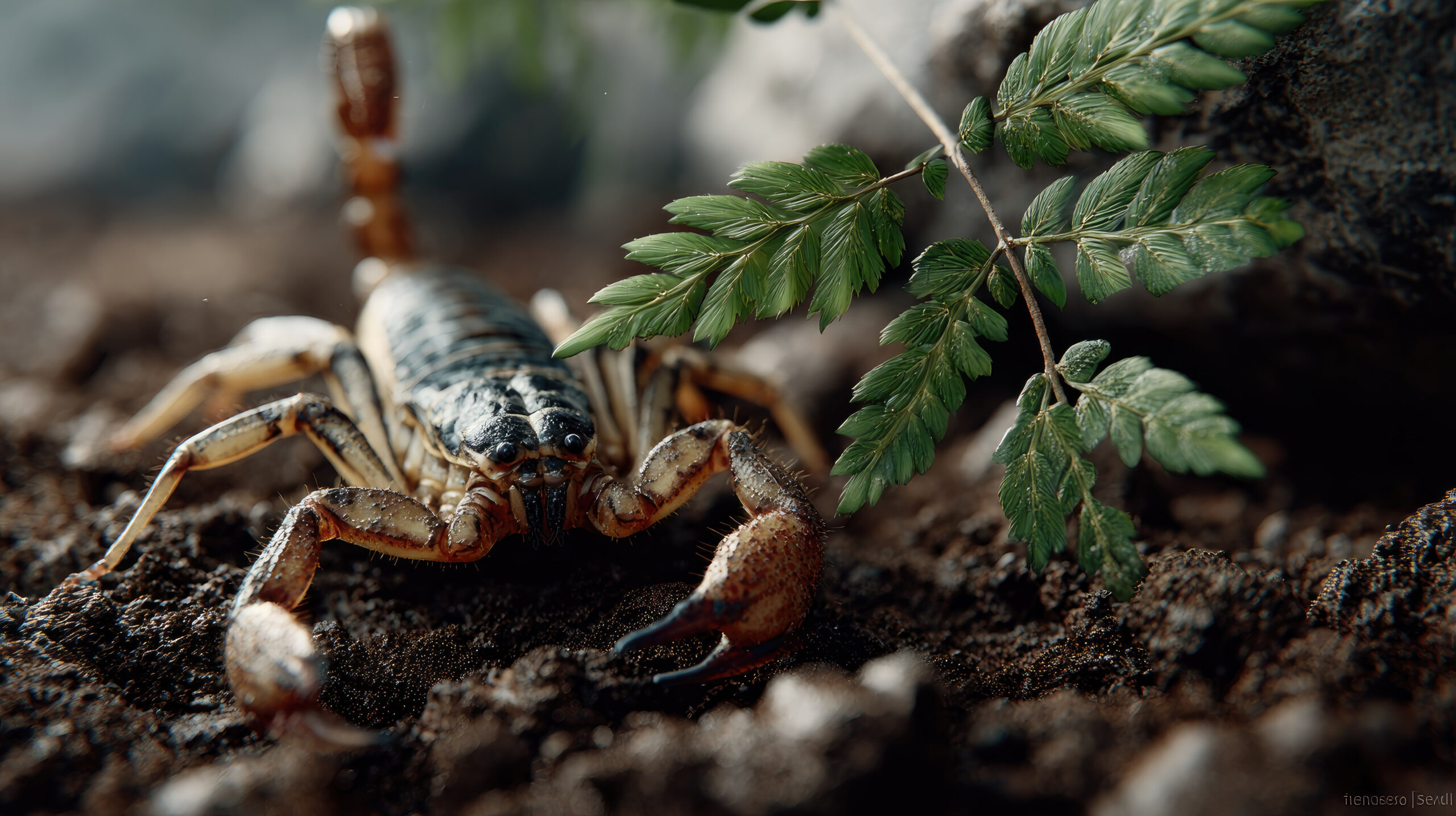
Your backyard, often seen as a haven, could harbor some of nature’s most dangerous creatures.
From venomous snakes to unpredictable insects, the risks posed by wildlife in suburban and rural areas are greater than most people realize.
Knowing which dangerous animals are present in your backyard can help you take preventive measures and ensure the safety of your family and pets.
Venomous Snakes
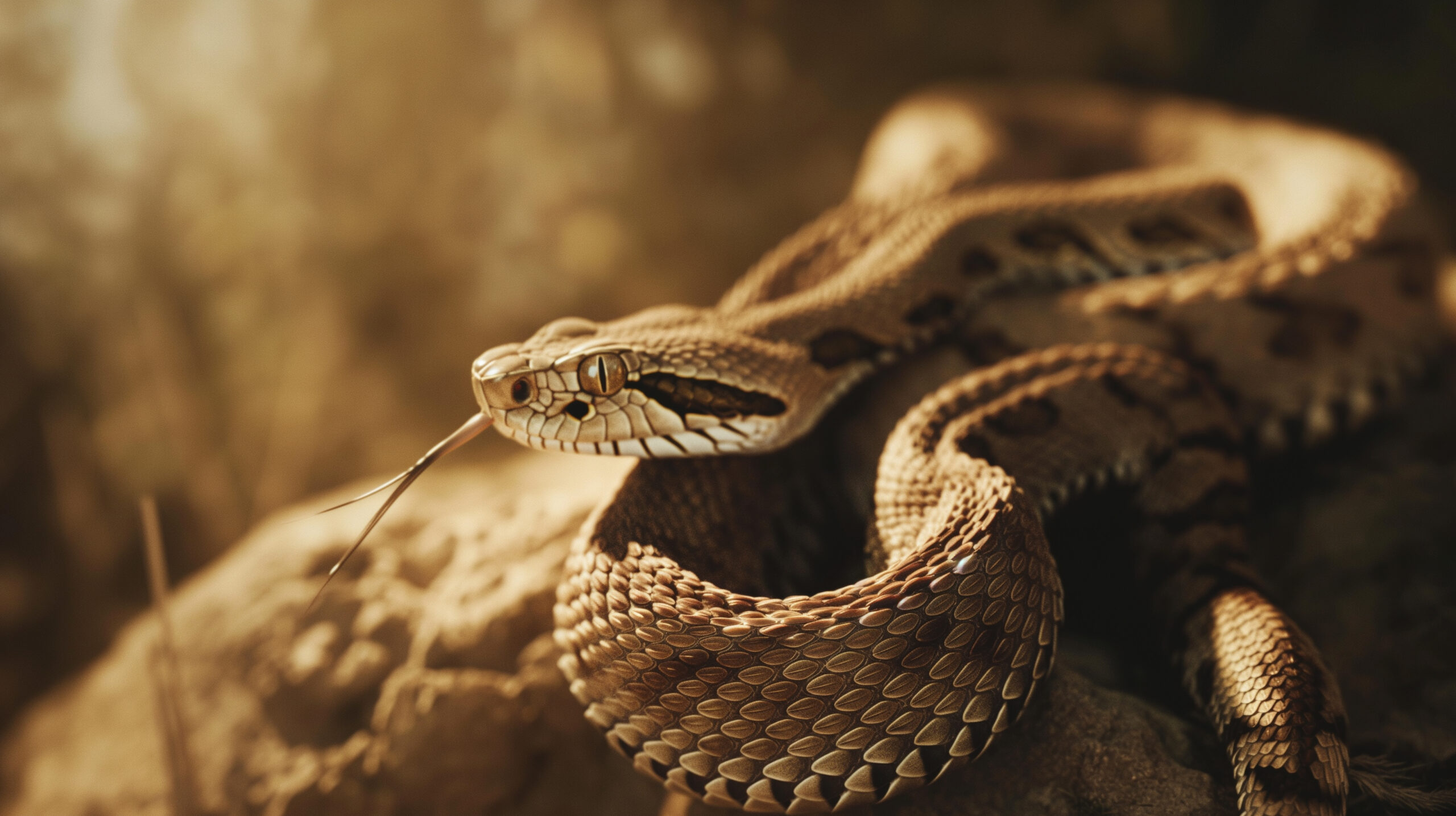
Venomous snakes are among the most dangerous creatures you might encounter in your backyard. Though they are often not aggressive unless provoked, the risk of venomous bites is real.
In North America, snakes like the Eastern Diamondback Rattlesnake, Cottonmouth, and Copperhead can be found in various landscapes, including suburban gardens, wooded areas, and fields.
Recognizing Venomous Snakes
- Eastern Diamondback Rattlesnakes: Their distinct diamond-shaped pattern and rattles at the end of their tails are hard to miss.
- Cottonmouth (Water Moccasin): These snakes are typically dark with a distinctive white “cotton” mouth that they reveal when threatened.
- Copperhead Snakes: These have a coppery, reddish-brown head, and their bodies are banded in shades of brown and tan.
Preventative Measures
- Keep grass trimmed and avoid piling wood or debris, as these are perfect hiding places for snakes.
- Educate family members and pets to stay away from snakes and to avoid walking barefoot in high-risk areas.
Scorpions
Commonly Found Scorpions
- Bark Scorpions: The most venomous species in the U.S. Their sting can lead to severe pain, numbness, and in rare cases, even death.
- Desert Scorpions: Found in dry, sandy areas, they pose a similar risk to those living in arid climates.
How to Protect Yourself
- Ensure that outdoor furniture and garden tools are inspected before use.
- Seal cracks in walls and doors, and wear gloves when handling garden tools or materials.
Black Widow Spiders
Identifying Black Widow Spiders
Precautions to Take
- Install screens on windows and keep your garage doors shut when not in use.
- If you spot a black widow in your home or yard, call pest control immediately to ensure proper handling.
Coyotes
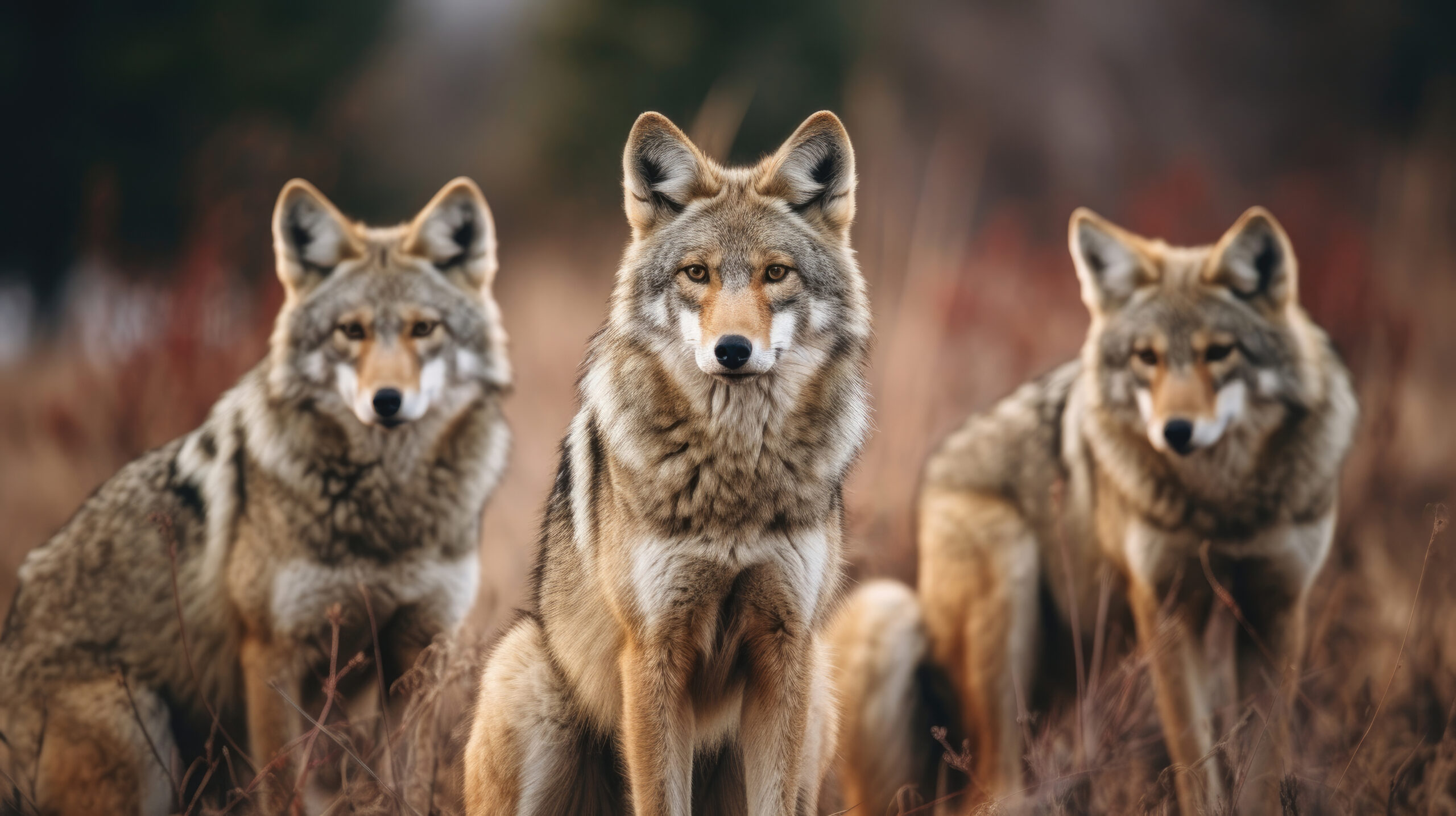
Understanding Coyote Behavior
- Coyote Attacks: While rare, coyote attacks on humans and pets do occur. These predators hunt small animals, such as rodents and rabbits, and may prey on domestic pets if their food sources are limited.
How to Keep Coyotes Away
- Never leave food or trash outside.
- Fence your yard properly, ensuring it’s high enough and buried deep enough to prevent coyotes from digging underneath.
- Keep pets indoors at night, as coyotes are more active at dusk and dawn.
Brown Recluse Spiders
Identifying a Brown Recluse
Minimizing Risk
- Reduce clutter in basements, attics, and sheds to limit hiding spots.
- If bitten, seek immediate medical attention to prevent complications from the venom.
Raccoons
How to Spot a Raccoon
How to Prevent Raccoon Intrusion
- Secure trash cans and food sources by keeping them in raccoon-proof containers.
- Seal entry points into attics, basements, or sheds where raccoons may seek shelter.
- Avoid feeding pets outdoors, as leftover food can attract them.
Bees, Wasps, and Hornets
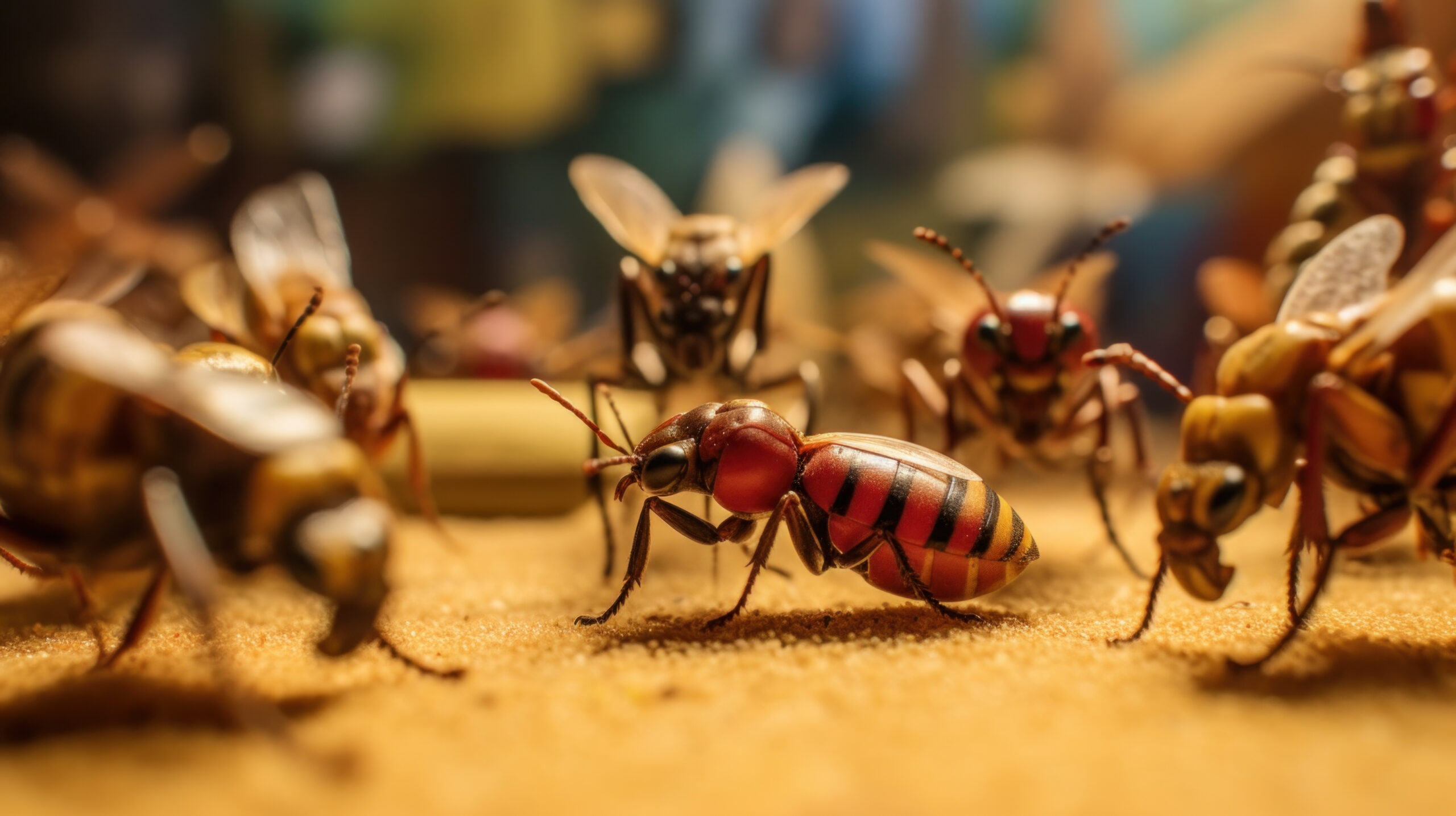
Common Species to Watch For
- Honeybees: While their sting is less potent than that of other insects, they can still cause allergic reactions in susceptible individuals.
- Wasps and Hornets: More aggressive than honeybees, they are often found in hidden spots such as eaves and tree branches.
How to Avoid Stings
- If you discover a nest in your backyard, call pest control immediately to avoid disturbing the insects.
- Wear long sleeves and pants when gardening, and avoid brightly colored clothing, as it can attract these insects.
Ticks
Identifying and Removing Ticks
Preventing Tick Bites
- Wear long sleeves, long pants, and tuck your pants into your socks when walking through wooded or grassy areas.
- Regularly check your body and pets for ticks after spending time outdoors.
Alligators
Recognizing Alligator Habitat
How to Stay Safe
- Keep a safe distance from bodies of water where alligators are known to live.
- Avoid swimming in areas where alligator sightings have been reported.
Wild Boars
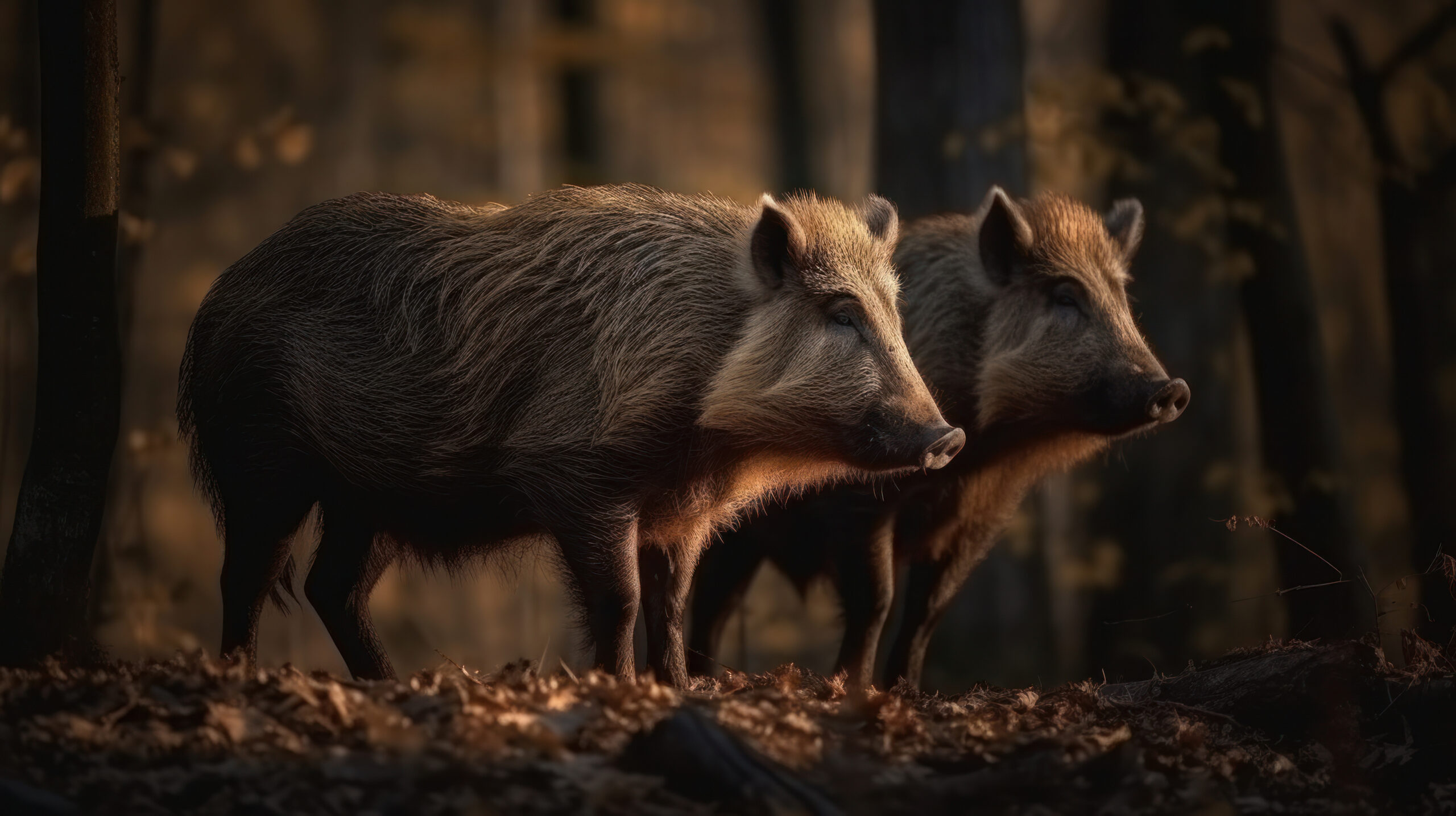
How to Identify Wild Boars
How to Deal with Wild Boars
- Install sturdy fences to keep boars out of your property.
- Remove any food sources, including fallen fruit or pet food, that could attract them.
Conclusion
While your backyard might seem like a tranquil retreat, it can also harbor a surprising array of dangerous animals. Awareness is your best defense. By learning to identify these creatures and taking proactive safety measures, you can minimize the risks they pose to your family and pets.
Respecting wildlife and maintaining a vigilant, well-kept outdoor space will help ensure your backyard remains a safe and enjoyable environment for everyone.