10 Common Mistakes You’re Making Every Day and How to Fix Them

In today’s fast-paced world, many of us perform everyday tasks without much thought. While these actions may seem insignificant, many are done incorrectly, leading to inefficiency, discomfort, or even health issues.
In this article, we’ll explore 10 everyday activities that most people do incorrectly and provide you with the proper techniques and insights to do them the right way.
From handling kitchen utensils to maintaining posture, we’ll help you optimize your daily habits to improve your health and productivity.
Holding a Pen

Holding a pen seems like a straightforward task, but many people do it incorrectly, which can lead to hand cramps and poor handwriting. To improve your writing efficiency, ensure you follow these steps:
- Correct Grip: Place your thumb, index finger, and middle finger on the pen, keeping a relaxed yet firm grip. Your grip should not be too tight, as this can cause strain.
- Posture: Keep your wrist relaxed and avoid bending it awkwardly. Maintain an upright posture while writing to prevent unnecessary tension in the arm and hand.
- Writing Angles: Hold the pen at a slight angle to the paper (about 45 degrees) for optimal ink flow and legibility.
Using Scissors
Scissors are ubiquitous in households and workplaces, but most people misuse them, leading to inefficient cutting and even hand strain. Here’s how to use scissors the right way:
- Grip: Hold the top handle with your thumb and the bottom handle with your middle finger and ring finger. This allows for better control and reduces strain on the fingers.
- Cutting Motion: Use your whole hand to cut rather than relying solely on your fingers. This ensures smooth cuts and helps prevent finger cramps.
- Angle of Cutting: Position the paper at a slight angle rather than cutting straight across. This allows for more efficient cuts and a better result.
Lifting Heavy Objects
Many people underestimate the importance of proper lifting techniques, which can lead to back strains and other injuries. To lift heavy objects correctly:
- Positioning: Stand with your feet shoulder-width apart to maintain balance. Bend your knees and keep your back straight.
- Use Your Legs: Push with your legs, not your back, to lift the object. This helps distribute the weight evenly and reduces the risk of strain.
- Holding the Object: Keep the object close to your body as you lift it. This minimizes the strain on your back and improves your balance.
Sitting at a Desk

Most people spend hours sitting at desks each day, but many do so with poor posture, which can lead to back and neck pain. Here’s how to sit properly:
- Chair Position: Adjust your chair so your feet are flat on the ground, and your knees are at 90 degrees.
- Back Support: Make sure your lower back is supported. A chair with lumbar support is ideal, but you can use a cushion for added support.
- Monitor Height: Keep your monitor at eye level. Keep your gaze straight ahead, not down or up, to avoid neck strain.
Brushing Your Teeth
Brushing your teeth is a daily ritual, but many people don’t brush effectively, leading to poor oral hygiene and potential dental problems. To brush your teeth correctly:
- Toothbrush Angle: Hold your toothbrush at a 45-degree angle to your gums. This allows for better cleaning along the gum line.
- Gentle Pressure: Brush with gentle pressure to avoid damaging your gums. Brushing too hard can cause gum recession and enamel wear.
- Technique: Use short, circular strokes rather than back-and-forth scrubbing, which can damage gums and teeth.
Using Your Smartphone
While smartphones have become essential in daily life, improper use can lead to eye strain and discomfort. Here are some tips for better smartphone usage:
- Proper Distance: Hold your phone at least 12-16 inches away from your face. Holding it too close can strain your eyes and cause headaches.
- Adjusting Brightness: Set your phone’s brightness according to your surroundings. Avoid using your phone in a dark room, as the contrast between the screen and the surroundings can strain your eyes.
- Blink Regularly: Blink frequently to keep your eyes moist and prevent dryness.
Using the Dishwasher
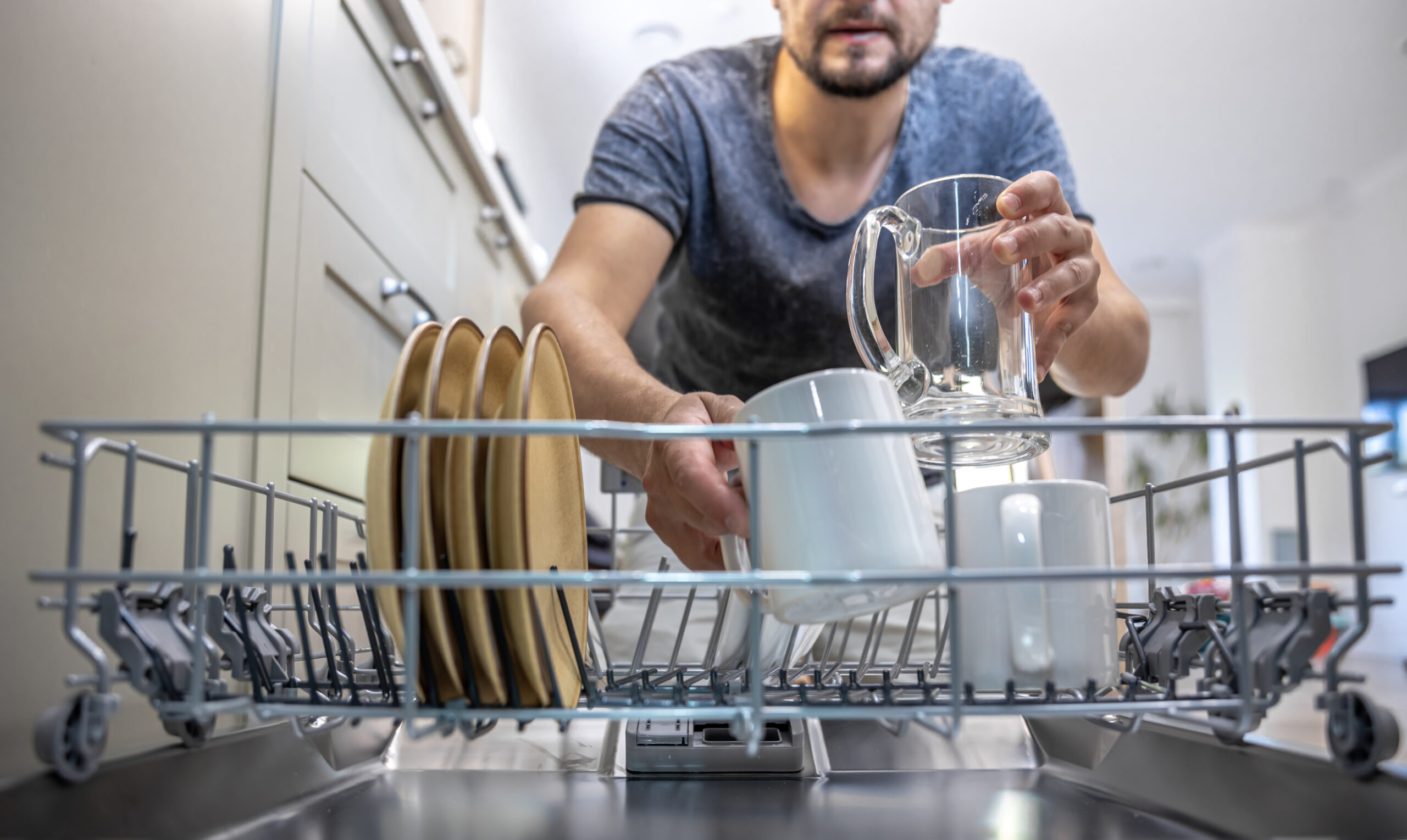
Dishwashers are a time-saving appliance, but improper loading can reduce their efficiency. To optimize your dishwasher’s performance:
- Top Rack: Place smaller items, such as cups and bowls, on the top rack. Make sure they face downward to prevent water from pooling inside.
- Bottom Rack: Larger dishes, such as plates and pots, should go on the bottom rack. Position them so water can reach all surfaces.
- Avoid Overloading: Overloading the dishwasher can prevent proper cleaning. Leave enough space between items to allow water and detergent to circulate effectively.
Applying Sunscreen
Many people misapply sunscreen, reducing its effectiveness and leaving them vulnerable to sun damage. To apply sunscreen correctly:
- Amount: Use about one ounce of sunscreen (enough to fill a shot glass) to cover your entire body. Don’t forget areas like your ears, neck, and the back of your hands.
- Timing: Apply sunscreen 15-30 minutes before sun exposure to allow it to absorb fully into your skin.
- Reapplication: Reapply sunscreen every two hours or immediately after swimming or sweating.
Sleeping Positions
Your sleeping position has a significant impact on your overall health. Poor sleeping posture can lead to neck and back pain and poor-quality sleep. To improve your sleep position:
- Pillow Support: Use a pillow that supports your neck’s natural curve. If you sleep on your back, use a thinner pillow. If you sleep on your side, a thicker pillow can fill the gap between your head and the mattress.
- Spine Alignment: Ensure your spine is aligned correctly. If you sleep on your back, use a pillow under your knees to reduce pressure on your lower back. If you sleep on your side, keep a pillow between your knees to maintain hip alignment.
- Avoid Stomach Sleeping: Sleeping on your stomach can strain your neck and spine. Try sleeping on your back or side to improve your posture.
Drinking Water

Staying hydrated is crucial for overall health, but many people fail to drink enough water throughout the day. To stay properly hydrated:
- Daily Intake: Aim for at least 8 8-ounce glasses of water per day, but this can vary depending on factors such as age, activity level, and climate.
- Sip Throughout the Day: Instead of drinking large amounts of water at once, try sipping regularly throughout the day to maintain consistent hydration.
- Monitor Your Urine: Light yellow urine indicates proper hydration, while dark urine indicates dehydration. Adjust your water intake accordingly.
Conclusion
By incorporating these simple but effective changes into your daily routine, you’ll not only improve your overall efficiency but also enhance your physical and mental well-being.
It’s easy to overlook these small habits, but doing them correctly can make a big difference in the long run. Start today and experience the benefits of a healthier, more efficient lifestyle.