10 Common Kitchen DIY Fails You Should Avoid
The kitchen is often the heart of the home. It’s a place where family and friends gather, meals are prepared, and memories are made. However, when it comes to DIY kitchen projects, not everything goes as planned.
In fact, there are countless common mistakes that homeowners make when attempting kitchen renovations themselves. These DIY fails can cost you more time, money, and frustration than if you had hired a professional from the beginning.
Poor Planning and Preparation

Why Planning Is Crucial
Before even picking up a hammer or a paintbrush, it’s vital to have a clear vision for your kitchen renovation. Many DIY projects fail because of a lack of planning and preparation.
Whether it’s selecting the wrong materials, failing to take accurate measurements, or underestimating the project scope, poor planning can quickly lead to costly mistakes.
- Create a detailed timeline with milestones.
- Take accurate measurements of your space and your appliances.
- Select materials that will withstand the wear and tear of a kitchen environment.
Choosing the Wrong Materials
Not All Materials Are Created Equal
Using cheap or incompatible materials is a common mistake when renovating a kitchen. For example, certain types of wood may not be durable enough for kitchen cabinets, or some countertops might stain too easily.
While it may seem tempting to cut costs with lower-priced materials, it can result in a poor finish and shorten the lifespan of your kitchen elements.
- Research materials carefully, considering durability and maintenance.
- Choose surfaces like granite, quartz, or hardwood for long-lasting results.
- Invest in high-quality, heat- and moisture-resistant paint for cabinets.
DIY Plumbing Mistakes
A Simple Leak Can Lead to Disaster
Plumbing issues in the kitchen are among the most common and frustrating DIY fails. Many homeowners make the mistake of installing sinks, dishwashers, or garbage disposals without fully understanding their plumbing system. This can lead to leaks, water damage, or even a flooded kitchen.
- Always hire a professional plumber if you are uncertain about the task.
- When replacing fixtures, double-check that all connections are properly sealed.
- Use the right tools for the job, and don’t rush the process.
Installing Cabinets Incorrectly

Cabinets Are a Key Feature in the Kitchen
Cabinet installation may seem straightforward, but many DIYers get it wrong. Poorly installed cabinets can be a disaster, affecting both functionality and appearance. Misaligned cabinets can cause doors not to close properly or create gaps that are difficult to fix.
- Always measure and level your cabinets before installation.
- Use the proper hardware and ensure the cabinets are securely attached to the wall.
- Consider professional installation if you’re unsure about the process.
Incorrectly Installing Backsplashes
A Backlash of Mistakes
A backsplash is a vital kitchen design feature, providing both a protective layer and a visual focal point. However, it’s easy to make mistakes when cutting and laying tile, especially around grout lines or with uneven cuts.
- Take your time when measuring and cutting tiles accurately.
- Use spacers to maintain even grout lines.
- Apply the correct adhesive for the tile type you are using.
Underestimating the Complexity of Electrical Work
Electricity and DIY Don’t Always Mix
Electrical work is one of the most dangerous aspects of kitchen renovations. Whether you’re installing new lighting, adding outlets, or wiring up new appliances, getting it wrong can not only ruin your project but also put your home at risk of electrical fires.
- Never attempt electrical work if you’re not certified or experienced.
- Hire a licensed electrician to handle any electrical installations.
- Follow safety protocols, such as turning off the power before working on any electrical system.
Overlooking the Importance of Lighting
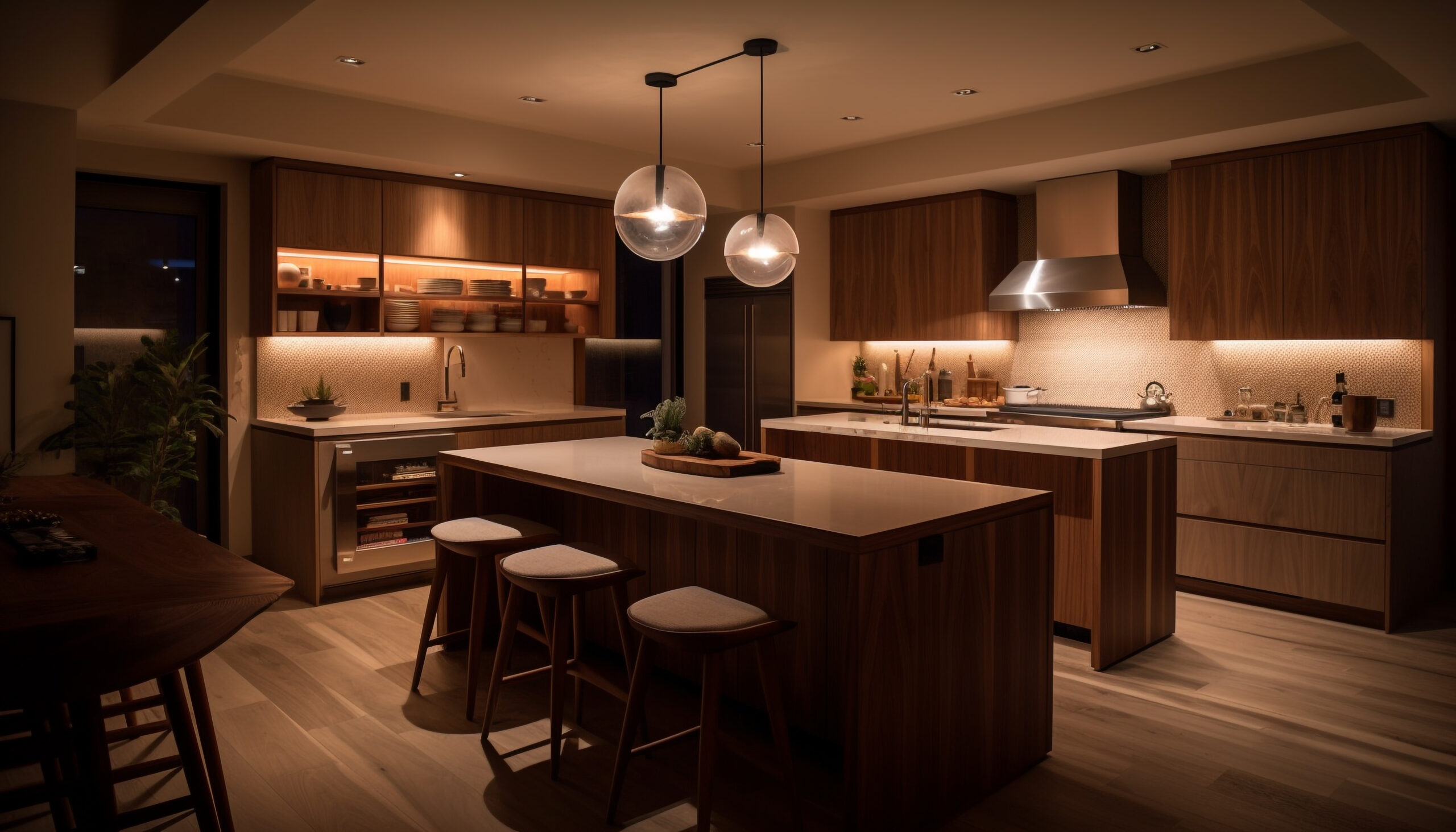
The Right Lighting Can Make or Break a Kitchen
Lighting is often underestimated in kitchen renovations. While it’s tempting to add a few fixtures and call it a day, the right lighting design can transform the entire space. Insufficient lighting, especially in work areas like countertops or over the stove, can make cooking tasks more difficult and hazardous.
- Plan a layered lighting approach that combines task, ambient, and accent lighting.
- Install under-cabinet lights to illuminate work surfaces.
- Choose energy-efficient LED lights for cost-effective, long-lasting illumination.
Skipping Proper Ventilation
Don’t Get Stuck in a Smoky Situation
Kitchen ventilation is essential for maintaining air quality, especially when cooking. Failing to install an exhaust fan or range hood, or choosing one that isn’t powerful enough for your kitchen size, can result in lingering cooking odors and smoke buildup.
- Install a powerful range hood for your kitchen size.
- Ensure your ventilation system vents to the outside, not just into the attic or basement.
- Consider adding a vent for optimal air circulation.
Cutting Corners on Countertop Installation
A Shaky Countertop Is a Recipe for Disaster
Installing countertops is another area where shortcuts can lead to failure. Many DIYers fail to level and secure countertops properly, causing them to sag or even crack under pressure. In addition, improper installation techniques can leave gaps between the countertop and backsplash, resulting in a less polished appearance.
- Ensure that countertops are securely mounted to the cabinets.
- Use shims to level countertops before securing them.
- If you’re installing heavy stone countertops, consider hiring a professional.
Not Considering Storage Solutions
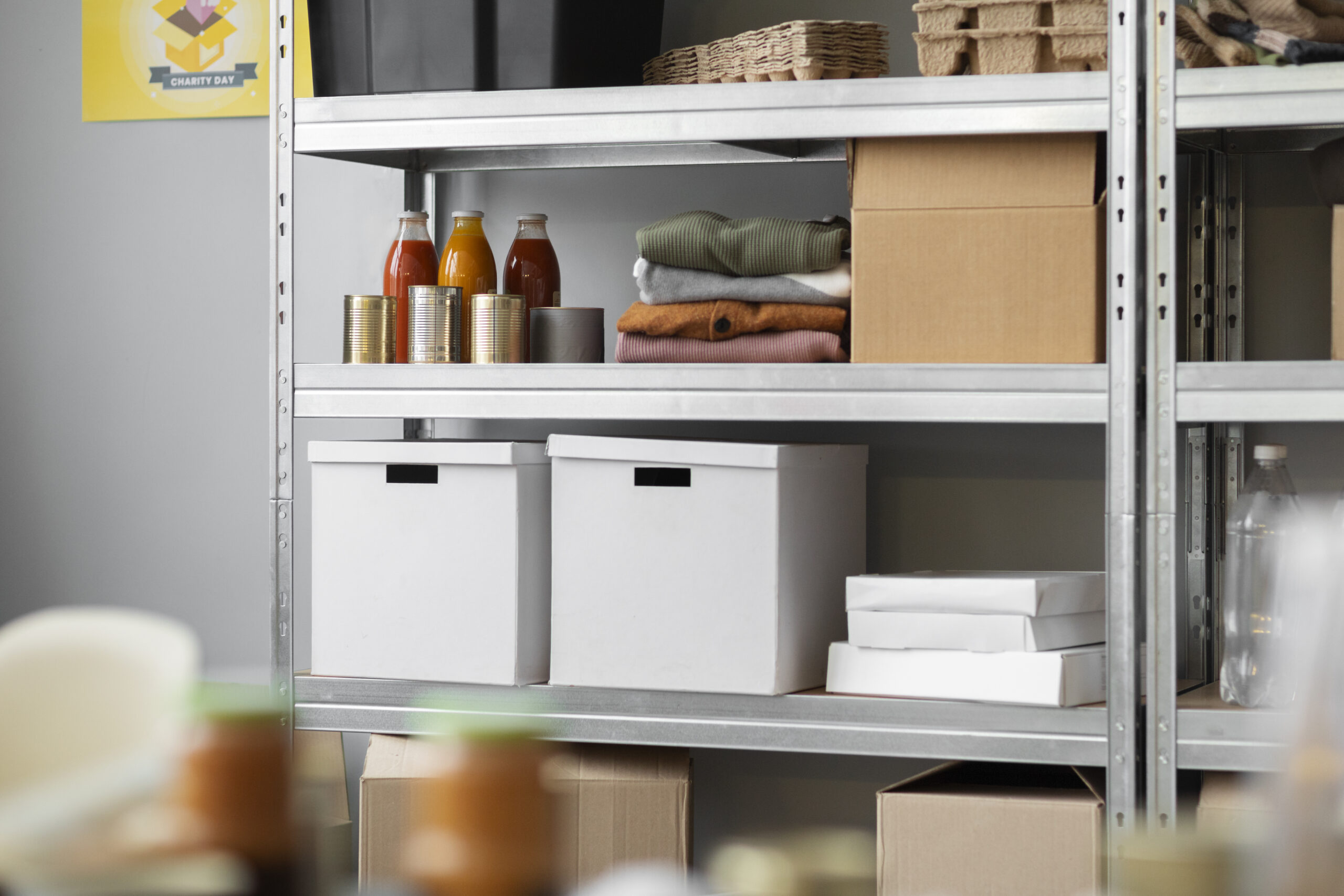
Clutter Will Quickly Overwhelm Your Kitchen
One of the most common kitchen DIY fails is neglecting storage. Whether it’s a lack of cabinets or inefficient use of space, poor storage solutions can quickly make your kitchen feel cramped and disorganized.
- Think about your kitchen layout and flow before installing cabinets and shelves.
- Consider pull-out shelves, lazy Susans, or built-in drawers for maximizing storage.
- Don’t forget about vertical space – add overhead shelves or hooks for extra storage.
Conclusion
With careful planning and attention to detail, you can avoid common DIY kitchen renovation pitfalls and create a functional, stylish space that meets all your needs.
Whether you’re embarking on a minor update or a full-scale renovation, understanding these pitfalls and taking the proper steps will help ensure a successful outcome.