


A good meal can fall apart long before it reaches the plate. Sometimes the problem is not the recipe, the ingredients, or even the cook’s talent, but one tiny habit repeated at the worst possible moment.
Many everyday cooking mistakes look harmless because almost everyone makes them. A cold pan, a dull knife, an overcrowded skillet, or a forgotten pinch of salt can turn promising food into something flat, soggy, dry, or frustrating.
The original Listverse article highlights classic kitchen errors such as using cold pans, overcooking fish, overcrowding, using blunt knives, and using poor wine in cooking. This version expands those ideas into a practical, modern guide for home cooks who want better flavor without making dinner feel like a cooking exam.
Starting With a Pan That Is Too Cold

A cold pan is one of the fastest ways to sabotage food. Meat sticks, vegetables steamed rather than seared, and everything ends up pale rather than golden.
Heat gives food that beautiful browned surface people love. Give the pan time to warm up before adding food, especially when cooking steak, chicken, mushrooms, onions, or anything that needs color.
Overcooking Fish Until It Turns Dry
Fish is delicate, which means it can go from silky to rubbery very quickly. Many home cooks leave it on the heat too long because they fear undercooking it.
The better approach is to watch the texture closely. Good fish should flake gently, stay moist, and still look tender in the center rather than stiff and chalky.
Moving Food Around Too Much
Some cooks cannot resist poking, flipping, shaking, and checking food every few seconds. That habit feels helpful, but it often prevents browning.
Food needs steady contact with heat to build flavor. Put it down, let it cook, and only move it when it has had enough time to form a proper crust.
Crowding the Pan
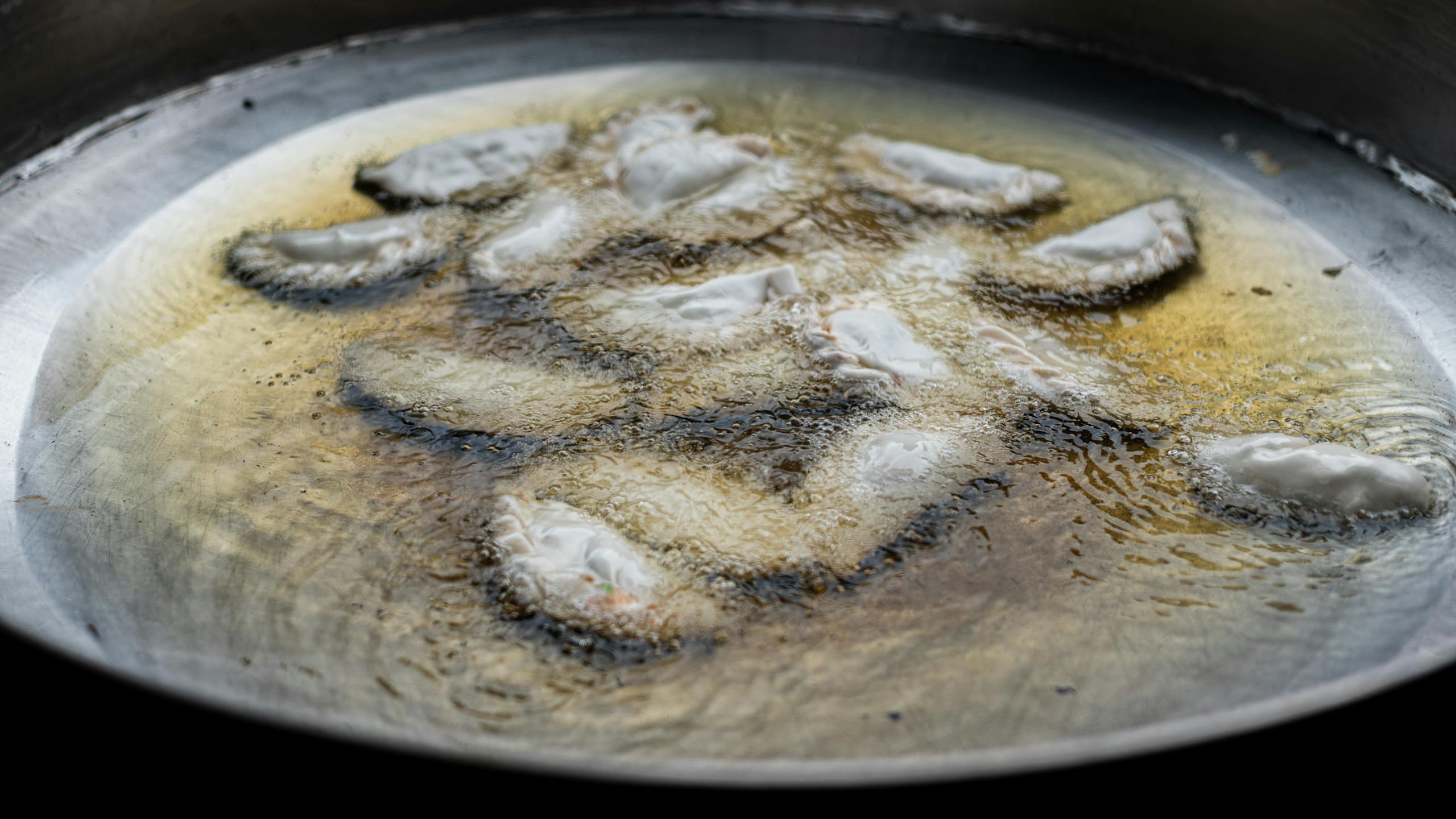
A packed pan looks efficient, but it usually creates weak results. When too much food sits together, moisture gets trapped, and the food steams instead of browning.
Cook in batches when needed. It takes a few extra minutes, but the payoff is better color, deeper flavor, and food that tastes cooked instead of boiled.
Cooking Meat Too Hard and Too Fast
High heat can be useful, but it is not always the answer. Large cuts of meat often become dry and tough when cooked aggressively from start to finish.
Gentler cooking helps meat stay juicy. For roasts, thick chops, and larger pieces, slower heat gives the inside time to cook without overcooking the outside.
Forgetting to Season Early Enough
Salt is not just something you throw on at the end. It helps bring out flavor during cooking and can make vegetables, meat, pasta, and sauces taste more complete.
The mistake is waiting until the food tastes bland and then trying to rescue it later. Season in layers, taste as you go, and remember that good cooking usually builds flavor gradually.
Using Dull Knives

A dull knife makes prep slower, messier, and more dangerous. Instead of cutting cleanly, it slips, crushes, and forces you to use extra pressure.
Sharp knives give you better control. They also protect ingredients: herbs stay greener, tomatoes stay neater, and onions do not turn into a watery mess.
Depending Too Much on Dried Herbs
Dried herbs can be useful, but they do not always deliver the bright flavor people expect. Some lose strength quickly, especially when they sit in a cupboard for months.
Fresh herbs can completely change a dish. Basil, parsley, cilantro, dill, and mint bring a lively finish that dried versions often cannot match.
Using Flimsy Cookware
Thin pans can heat unevenly, making it harder to control food. One side burns, another side barely cooks, and the cook gets blamed for the pan’s bad behavior.
You do not need luxury equipment, but sturdy cookware helps. A solid pan with a heavier base usually gives better browning, steadier heat, and fewer surprises.