10 Common Bird Myths You Should Stop Believing
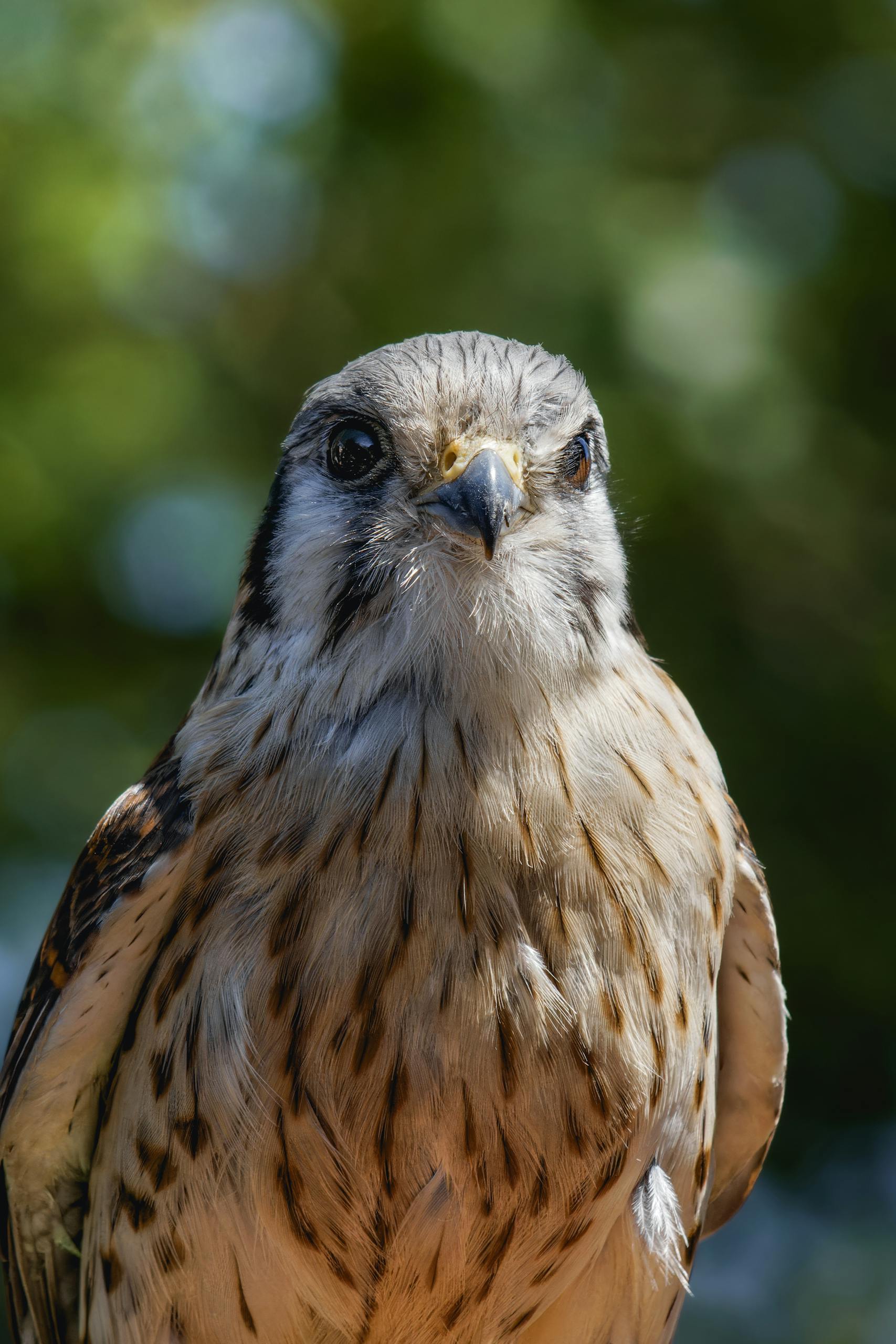
Birds are among the most captivating creatures on Earth. They’re diverse, colorful, and incredibly interesting to observe, yet they’re also the subject of many myths and misconceptions. These misunderstandings have been passed down over generations and have influenced how we perceive and interact with birds.
In this article, we’ll explore some of the most common misconceptions about birds, debunk them, and reveal the fascinating truths behind them. Prepare to be amazed by the true nature of our feathered friends!
Ostriches Stick Their Heads in the Sand

The idea that ostriches bury their heads in the sand is one of the most famous and enduring myths about birds. This misconception has been around for centuries, with some historical sources even claiming that ostriches do this when they’re frightened. In reality, ostriches do not bury their heads in the sand. Instead, they often lower their heads to the ground to check on their eggs or to blend into the environment when threatened.
This behavior likely led to the misconception. Although ostriches are large and somewhat intimidating, they are also incredibly fast, reaching speeds of up to 45 miles per hour, making them quite capable of escaping danger.
Owls Can Turn Their Heads 360 Degrees
Owls are known for their remarkable ability to rotate their heads to a significant degree, but can they really turn their heads 360 degrees as some cartoons suggest? The truth is, owls cannot spin their heads completely around. Their necks are highly flexible, allowing them to rotate their heads up to 270 degrees.
This ability is essential to their hunting, as it helps them spot prey without moving their bodies. However, it is physically impossible for an owl to rotate its head all the way around without causing serious harm to its blood vessels and tendons.
Parrots Can Talk Like Humans
One of the most well-known myths about parrots is that they can engage in meaningful conversations with humans. While it is true that parrots are capable of mimicking sounds, including words and phrases, they do not actually understand the meaning of what they’re saying. Parrots are remarkable mimics, and they often repeat sounds or phrases they’ve heard in specific situations.
However, they do not form sentences or communicate in the same way that humans do. For example, a parrot may say “hello” when someone enters a room, but it doesn’t understand the social significance of the word. This ability to mimic speech results from their advanced vocal cords, not a sign of human-like intelligence.
Birds Cannot Digest Rice, and It Kills Them
A commonly circulated myth is that uncooked rice is harmful to birds and can even kill them. The myth suggests that rice expands in the birds’ stomachs, causing them to die. However, this is not true. Many bird species, especially wild birds, actually consume grains, including rice, in their natural habitats. Birds have specialized digestive systems that can process grains without harm.
While it is true that rice expands when it absorbs moisture, it does not expand enough in a bird’s stomach to cause any harm. The real reason some people discourage rice-throwing at weddings is more about the mess and potential for birds to leave droppings than any real harm to the birds themselves.
Owls Are the Smartest Birds
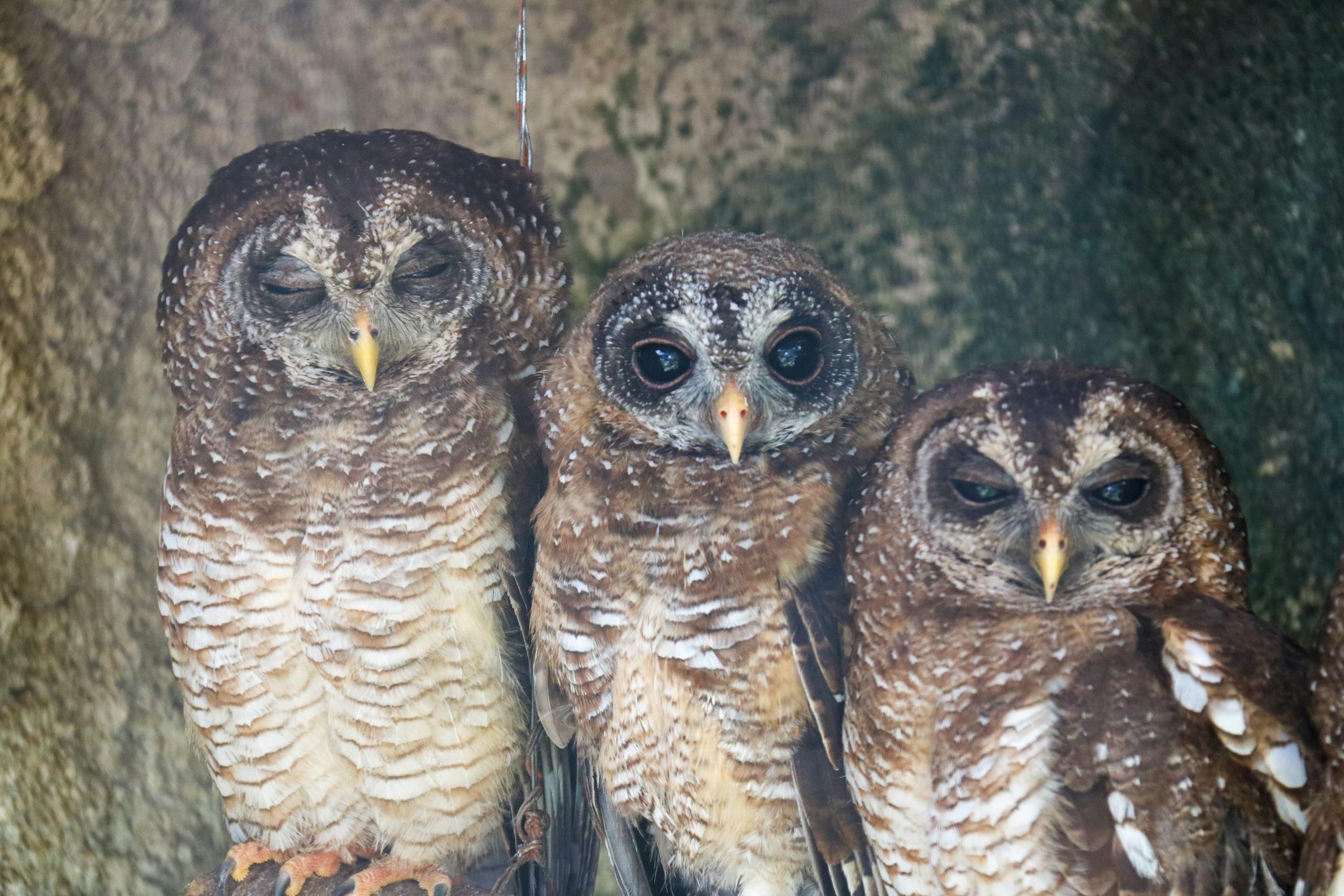
Owls are often associated with wisdom and intelligence, but this is a misconception. While owls have some impressive abilities, such as excellent night vision and hearing, they are not particularly smart compared to other bird species. For example, crows, ravens, and pigeons are known for their problem-solving abilities, complex social behaviors, and even tool use.
Owls, on the other hand, have evolved to specialize in hunting and surviving in the dark, not in complex cognitive tasks. Their intelligence is more related to their hunting skills than to abstract thinking or learning.
Dodos Were Dumb Birds
The dodo bird has long been used as a symbol of stupidity and clumsiness, but the truth is quite different. Dodos were not as unintelligent as many people believe. In fact, they were related to pigeons, which are known for their remarkable intelligence. The dodo’s perceived lack of intelligence stems from its inability to fly and its lack of fear of humans, which led to its rapid extinction.
When humans arrived on the island of Mauritius, where the dodo lived, the birds were easy targets. They had no predators on the island and evolved in isolation, so they did not develop the instinct to flee from humans. This unfortunate combination of factors led to their extinction, but it does not mean that they were dumb.
Humans Shouldn’t Touch Baby Birds
A common belief is that if humans touch a baby bird, the mother will abandon it due to the scent of human touch. This myth has caused unnecessary panic among people who find baby birds on the ground. The truth is that birds have a very poor sense of smell, and they are not likely to abandon their young based on human scent.
If you find a baby bird that has fallen from its nest, it is usually best to gently place it back in the nest if possible. While it is always best to avoid disturbing wildlife, touching a baby bird will not cause the mother to abandon it.
Bald Eagles Make Majestic Calls
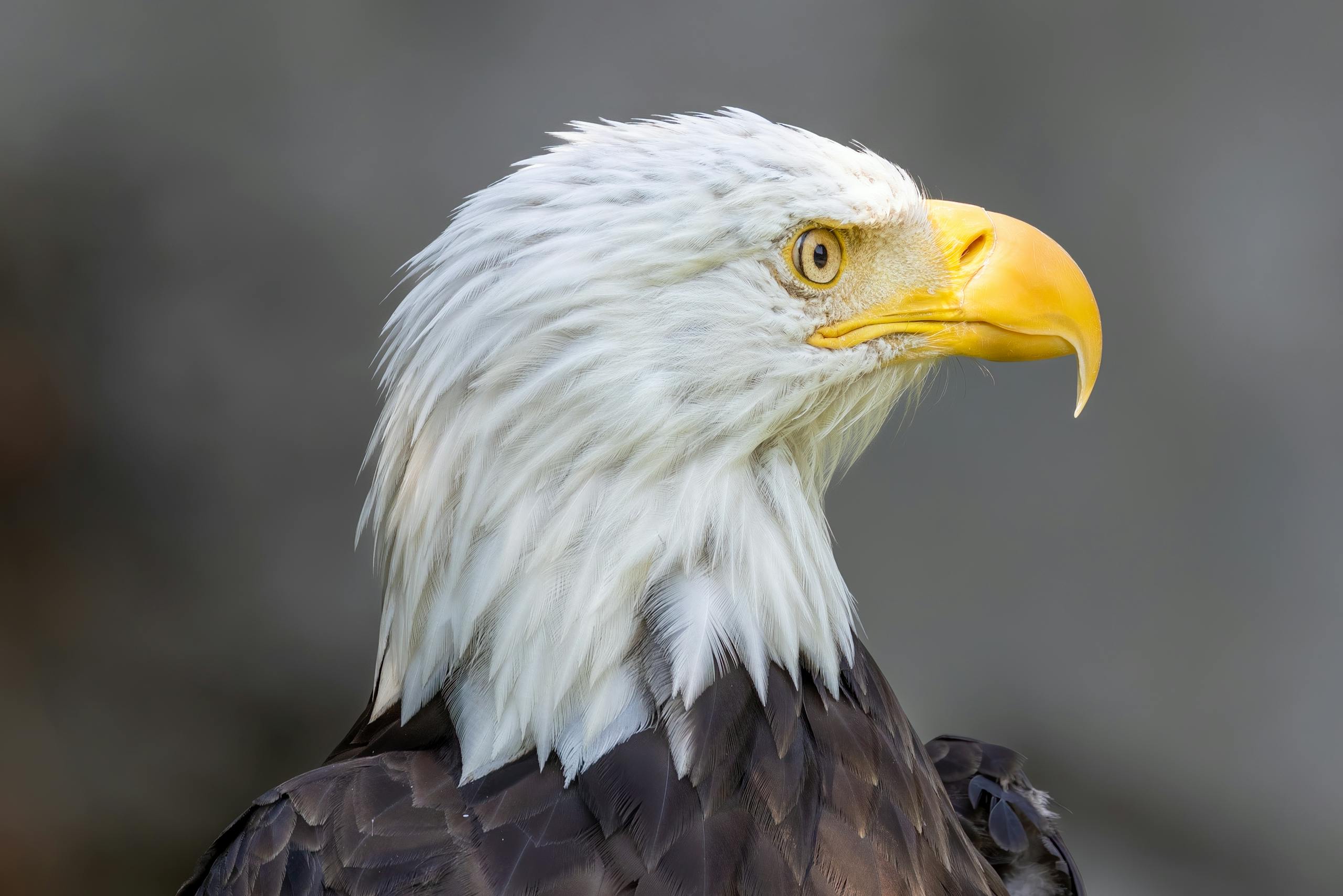
The bald eagle is often associated with powerful, majestic calls, especially in movies and television shows. However, the call that is commonly heard in association with bald eagles is actually the call of the red-tailed hawk.
The real sound of a bald eagle is much more subtle and resembles a high-pitched whistle, which is often compared to the sound of a seagull. The misattribution occurred because filmmakers sought a more dramatic, intimidating sound to accompany the image of the eagle, and they chose the red-tailed hawk’s call instead.
Feeding Birds Prevents Migration
Many people believe that feeding birds during the fall will prevent them from migrating, but this is a myth. Birds are instinctively driven to migrate as the days get shorter and the temperatures drop, regardless of food availability.
While feeding birds can help them build up the energy reserves they need for migration, it does not prevent them from leaving for warmer climates. In fact, providing food during the fall and winter months can help birds, as it supports their overall health and well-being during migration.
Pigeons Are Just City Birds
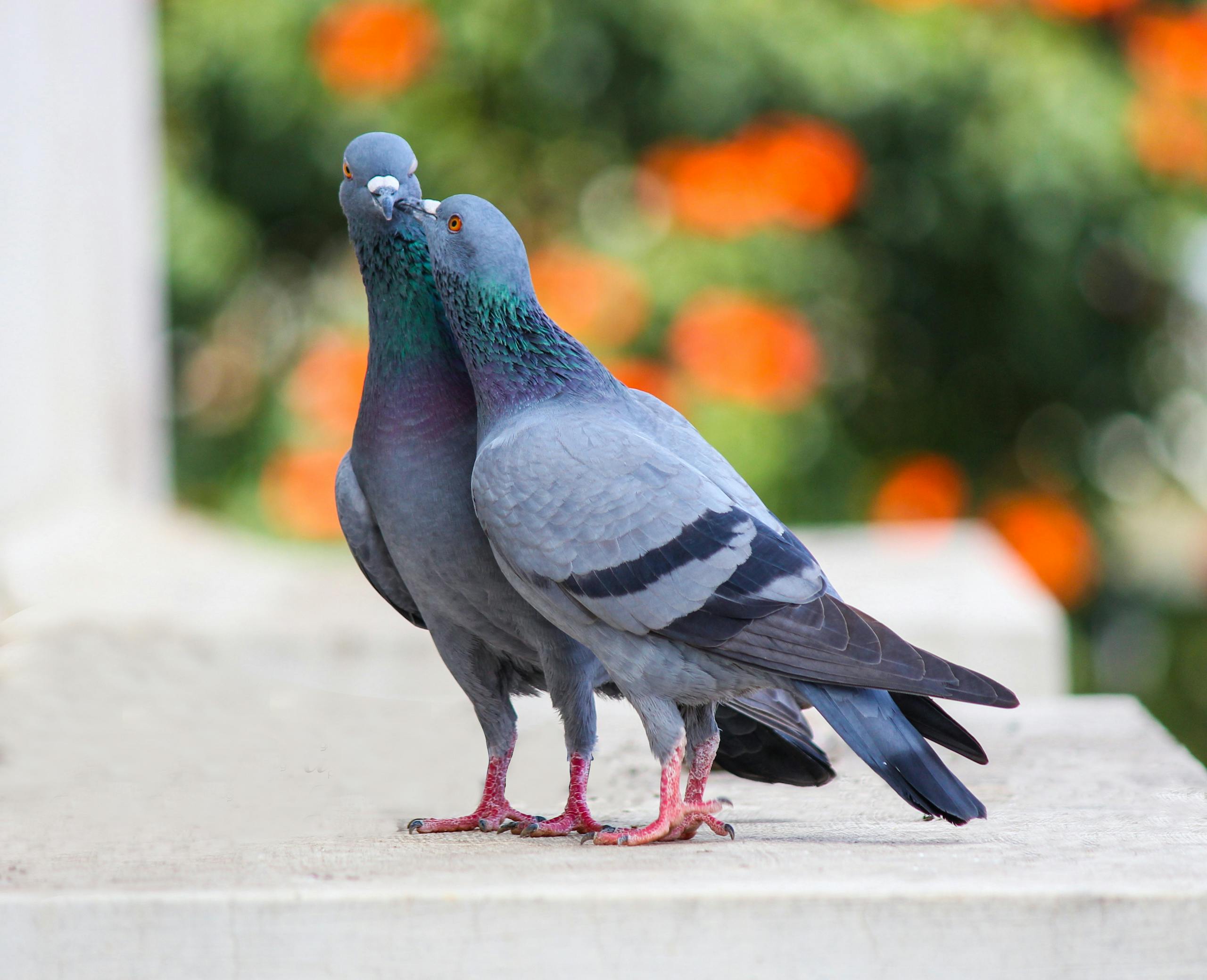
Pigeons have long been associated with urban environments, but this does not mean they are exclusively city birds. Pigeons are highly adaptable and can thrive in a variety of habitats, including rural and suburban areas. In fact, pigeons were originally wild birds that lived in cliffs and rocky outcroppings.
Over time, they adapted to living near humans, finding food and shelter in cities. Pigeons are now found in many different environments around the world, and they are just as much a part of the natural world as any other bird species.
Conclusion
Birds are fascinating creatures that have captivated human imagination for centuries. However, many myths and misconceptions about birds continue to persist, leading to confusion and misunderstandings. By debunking these myths, we can gain a better understanding of these amazing animals and appreciate the true complexity of their lives.
Whether it’s the unique behavior of owls or the remarkable adaptability of pigeons, birds never cease to amaze. So, the next time you encounter a bird, remember that the truth is often far more fascinating than the myths that surround them.
Read the Original Article on Crafting Your Home