10 Brilliant DIY Vertical Garden Ideas for Small Spaces
As urban living becomes more widespread and outdoor space becomes limited, gardeners are finding inventive ways to grow plants without sprawling plots of land. One of the most effective and creative solutions? The DIY vertical garden.
By growing plants upward instead of outward, you can transform any small space, whether it’s a balcony, terrace, or even an apartment wall, into a thriving oasis. In this comprehensive guide, we’ll explore how to create a vertical garden tailored to your space, budget, and gardening needs.
Why Choose a DIY Vertical Garden for Small Spaces?
In cities where outdoor space is precious, a DIY vertical garden is a game-changer. Not only does it allow you to cultivate plants in tight spaces, but it also offers numerous benefits, both aesthetically and practically.
Vertical gardening utilizes vertical surfaces such as walls, fences, and trellises to grow plants, which can significantly increase your planting area without taking up valuable floor space. This is especially useful for city dwellers or anyone with a limited outdoor area.
Essential Tools and Materials for Your Vertical Garden
Before diving into specific ideas and designs, it’s essential to gather the necessary materials for your vertical garden. The key to a successful vertical garden lies in choosing the right tools and materials that suit both your style and the plants you plan to grow. Here’s a list of basics:
- Planters: Opt for wall-mounted pots, hanging baskets, fabric planters, or repurposed containers like wooden crates or shoe organizers.
- Supports: Wall hooks, brackets, grids, and metal or wooden frames to securely hold your planters.
- Soil: Lightweight potting soil that drains well to prevent root rot.
- Plants: Choose plants with compact root systems that thrive in vertical spaces. Herbs, flowers, and even small vegetables work best.
- Watering System: Drip irrigation or self-watering planters are ideal for ensuring your plants get adequate hydration.
Hanging Planter Wall
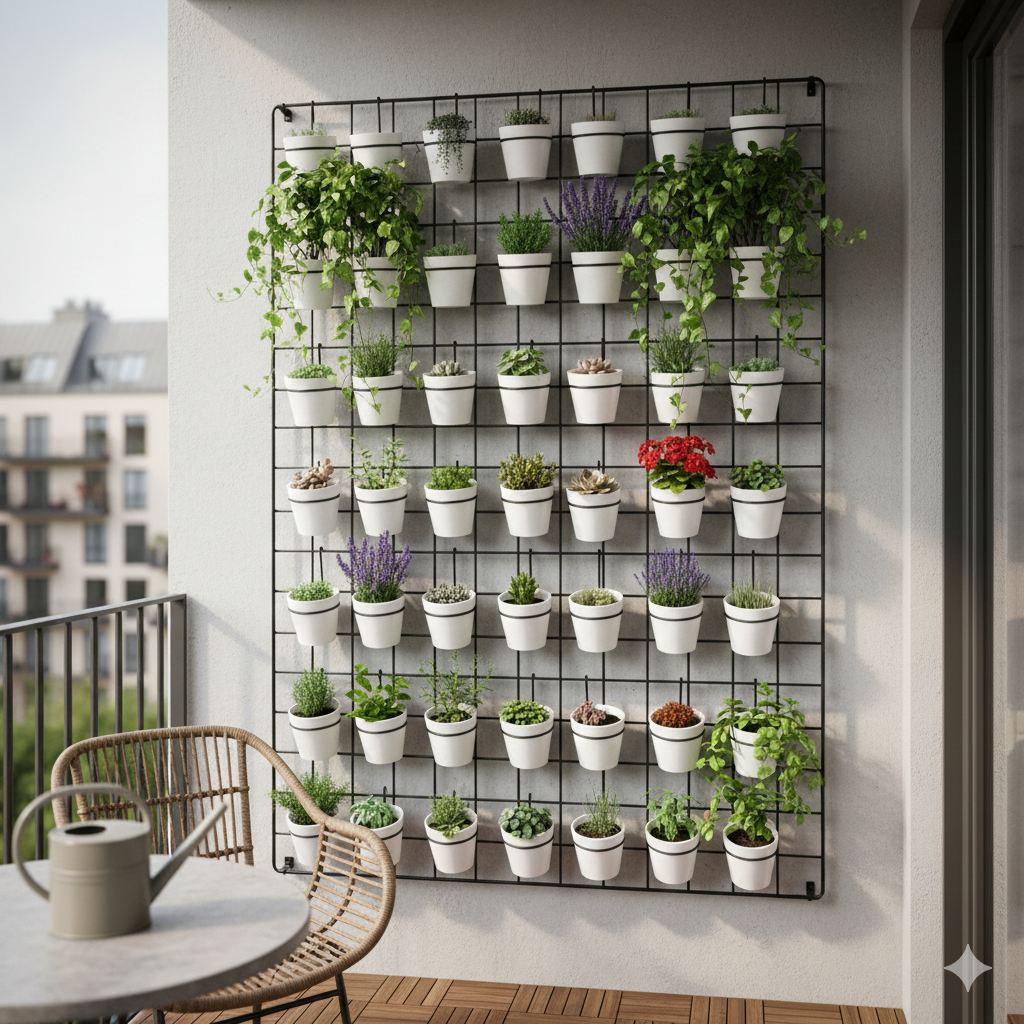
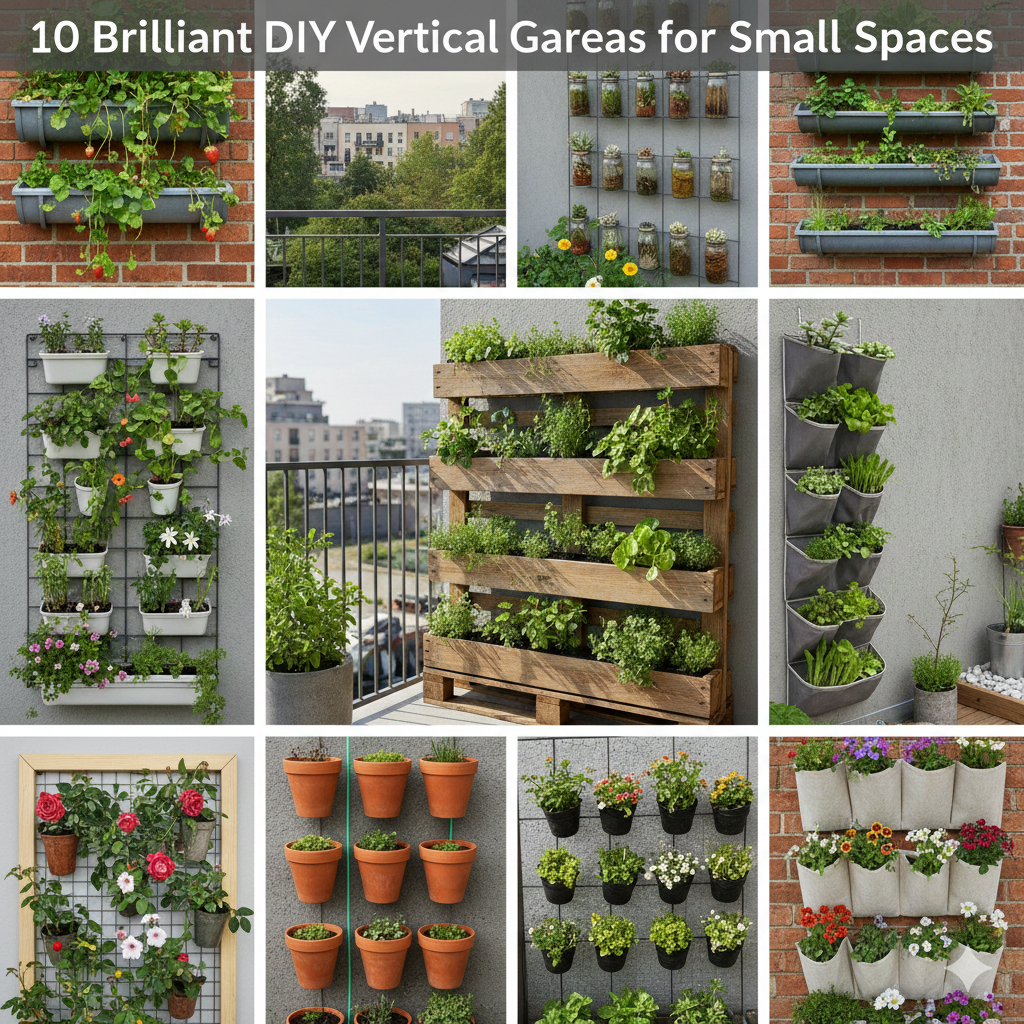
If you have an empty wall, whether in a hallway, balcony, or even indoors, a hanging planter wall can completely transform the space. By mounting several small pots in a grid or arranging them along a metal frame, you can create a lush vertical garden without taking up any floor space.
- What You Need: Wall hooks or brackets, small pots, zip ties or metal hooks, potting soil, and plants.
- Setup: Attach pots to a grid or secure them to wall brackets. Arrange them so each plant gets enough sunlight. For added aesthetic appeal, combine trailing plants like ivy with upright growers like basil or lavender.
Vertical Wooden Crate Garden
Wooden crates are both functional and stylish, making them perfect for vertical gardening. These crates can be stacked in a variety of arrangements, allowing you to grow plants on different levels. Whether you prefer a rustic farmhouse look or something more modern, wooden crates can be customized to suit your design needs.
- What You Need: Wooden crates, screws or brackets for stacking, soil, and plants.
- Setup: Stack the crates in a staggered pattern to create levels, ensuring each section gets ample sunlight. Secure the crates with screws for stability, then fill each section with soil and plants of your choice.
Repurposed Shoe Organizer
If you’re looking for an easy and affordable vertical gardening solution, consider repurposing a fabric shoe organizer. This clever solution is perfect for growing herbs, strawberries, or small flowers in limited space.
- What You Need: A fabric shoe organizer, strong hooks for hanging, soil, and plants.
- Setup: Fill each pocket with potting soil, then plant your herbs or flowers. Hang the organizer in a sunny spot, and enjoy the space-saving benefits of this simple yet effective vertical garden.
Vertical Pallet Garden
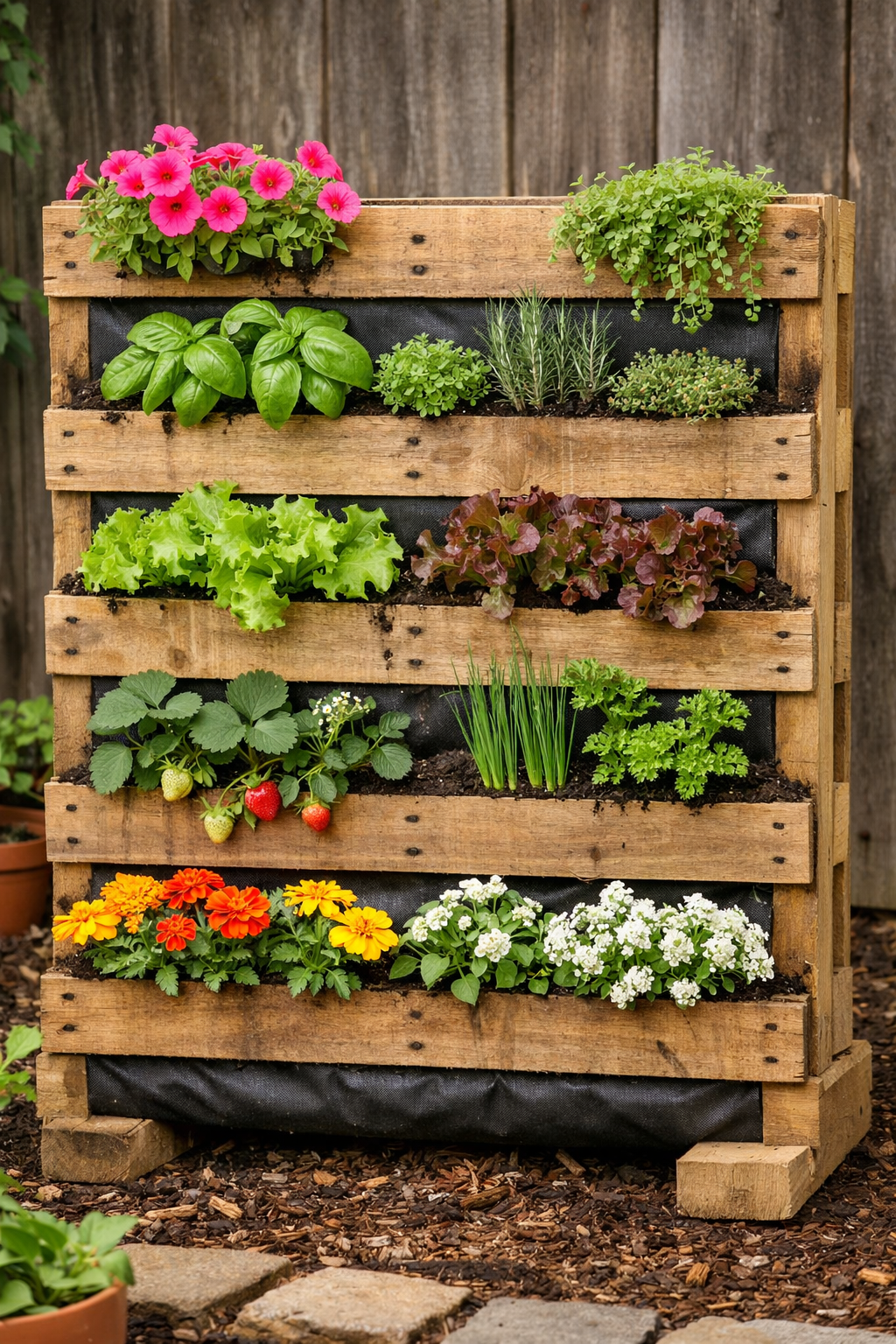
A repurposed wooden pallet can serve as the backbone of a fantastic vertical garden. Whether you use it to grow flowers or herbs, pallets are a great way to save space while enhancing the beauty of your outdoor area.
- What You Need: A wooden pallet, landscape fabric, soil, plants, and nails or staples.
- Setup: Attach landscape fabric to the back of the pallet to hold soil in place. Fill the pallet with soil, ensuring each plant has enough room to grow. This design works best for plants with shallow roots, such as lettuce, herbs, or small flowers.
Wall-Mounted Planter Rack
For a modern take on vertical gardening, consider building a wall-mounted planter rack. This structure can hold several small pots, arranged in an eye-catching pattern. It’s perfect for both indoor and outdoor spaces.
- What You Need: A sturdy wooden rack or shelf, small pots, soil, and plants.
- Setup: Mount the rack securely to your wall, then place the pots on the shelves. You can arrange the pots in various patterns or stagger them to create a cascading effect.
Recycled Bottles as Vertical Planters
If you’re on a tight budget or enjoy DIY projects, recycled plastic bottles make great vertical garden planters. Not only is this solution sustainable, but it also allows you to creatively repurpose waste materials into something beautiful and functional.
- What You Need: Plastic bottles, scissors, potting soil, plants, and wire for hanging.
- Setup: Cut the bottles in half, fill the bottom with soil, and plant your chosen greenery. You can arrange these bottles vertically on a wall or hang them from a sturdy surface using wire.
Ladder Planter Garden
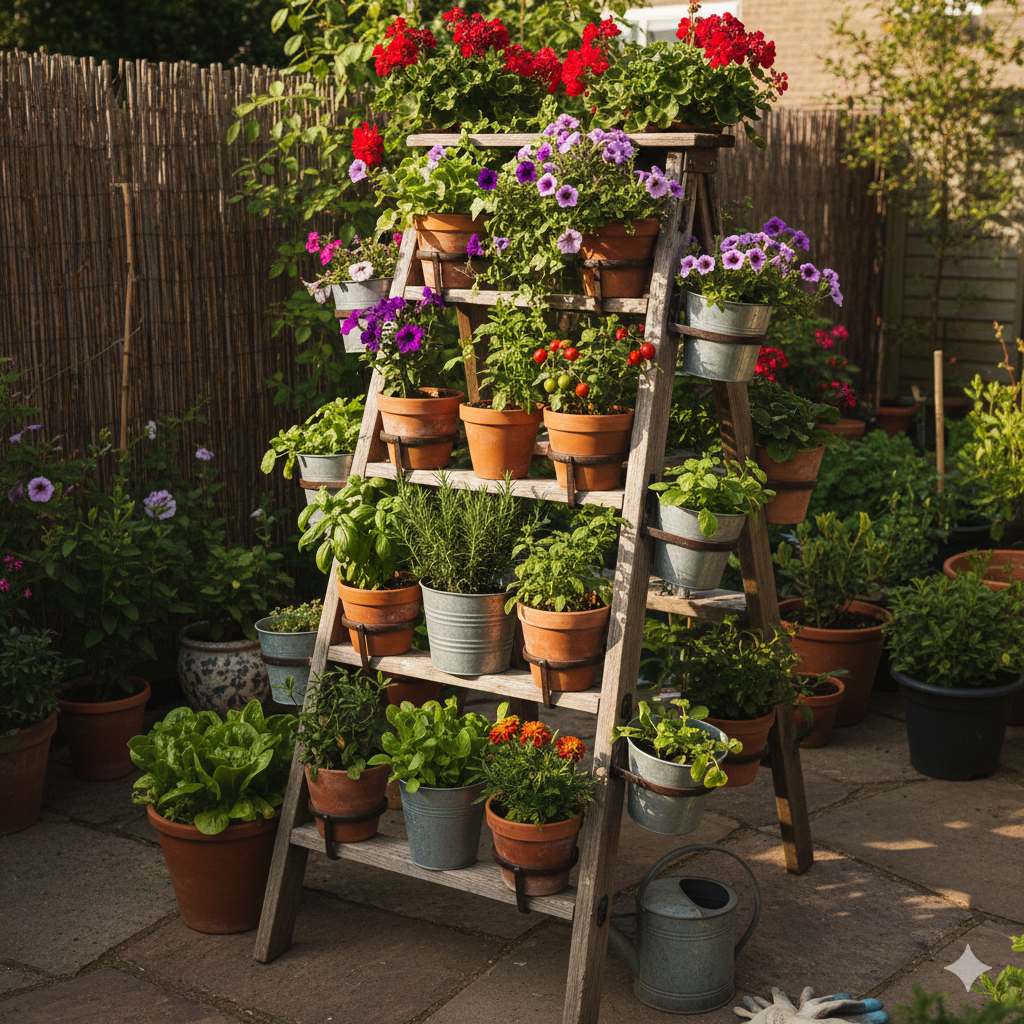
Ladder-style planters are another fantastic DIY vertical garden idea. By using a wooden ladder as the base, you can add several pots or planters to each rung, creating a tiered effect that’s perfect for growing flowers, herbs, or even vegetables.
- What You Need: A wooden ladder, small pots, soil, and plants.
- Setup: Secure the pots to the ladder using small brackets or hooks. Arrange the plants based on their sunlight requirements for the best results.
Vertical Herb Garden
Growing herbs in a vertical garden is a practical and rewarding way to maximize small spaces. Herbs like basil, parsley, and rosemary thrive in vertical setups, providing you with fresh ingredients for cooking throughout the year.
- What You Need: Wall-mounted planters, small pots, soil, and herb seeds or plants.
- Setup: Install the planters in a sunny spot, and plant your herbs according to their light requirements. With a vertical herb garden, you’ll have an abundant supply of fresh flavors within arm’s reach.
Modular Vertical Garden
A modular vertical garden system gives you the flexibility to create a customized setup that suits your space and design preferences. These systems often include removable trays or pockets that can be easily rearranged.
- What You Need: Modular garden system, soil, and plants.
- Setup: Assemble the modular units according to your design, then plant each section with the greenery of your choice. This system is particularly useful if you want to experiment with different plant arrangements.
Green Wall
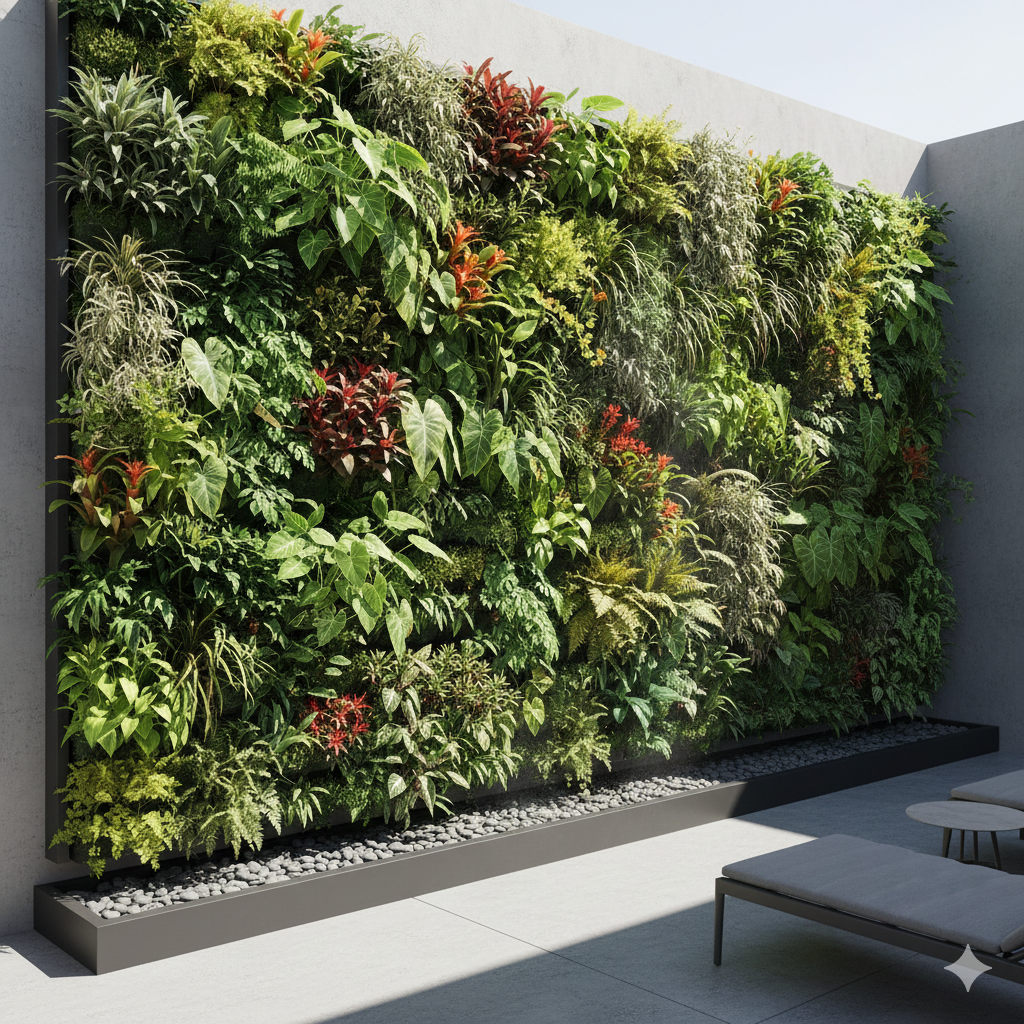
For those with more space and a desire for a truly unique vertical garden, creating a green wall is an ambitious yet stunning project. A green wall is a living installation that uses a variety of plants to create a lush, vertical garden on a large surface, such as a wall or fence.
- What You Need: Vertical garden frame, planting medium, plants, and watering system.
- Setup: Install a vertical garden frame and fill it with plants that suit your climate and aesthetic preferences. Consider using a self-watering system to maintain moisture levels.
Choosing the Right Plants for Your Vertical Garden
The key to a thriving vertical garden is selecting the right plants. Not all plants are suited for vertical setups, as some require deeper soil or more space than others. Here are some excellent plant choices for vertical gardens:
Herbs: Basil, mint, thyme, rosemary, and parsley are great options for vertical gardens. They have shallow roots and thrive in smaller spaces.
Vegetables: Small vegetables like lettuce, spinach, cherry tomatoes, and radishes can thrive in vertical gardens. Make sure they receive enough sunlight and nutrients.
Flowers: Petunias, pansies, marigolds, and succulents are perfect for vertical gardening. Their vibrant colors will brighten up any space.
Tips for Maintaining Your Vertical Garden
Maintaining a vertical garden requires regular attention, but the effort is well worth it. Here are some essential tips to keep your vertical garden thriving:
- Watering: Vertical gardens tend to dry out faster than traditional gardens. Ensure you water your plants consistently, using a drip irrigation system or self-watering planters to help maintain moisture levels.
- Sunlight: Proper sunlight is essential for the success of your vertical garden. Place your plants according to their light requirements, and use grow lights if necessary to supplement natural sunlight.
- Fertilization: Use nutrient-rich, organic fertilizers to keep your plants healthy. Apply fertilizer every few weeks, especially during the growing season.
- Pruning: Regular pruning will keep your plants neat and healthy. Trim any dead leaves or overgrown stems to encourage new growth.
Conclusion
The best part? Vertical gardens are adaptable.
They can be as simple or as intricate as you want, making them suitable for everyone, from beginners to seasoned gardeners. With the right materials, plants, and care, you can create your own thriving garden in even the smallest of spaces. And the rewards are plentiful: fresh herbs, vibrant flowers, and home-grown vegetables, all while contributing to a greener, more sustainable world.