

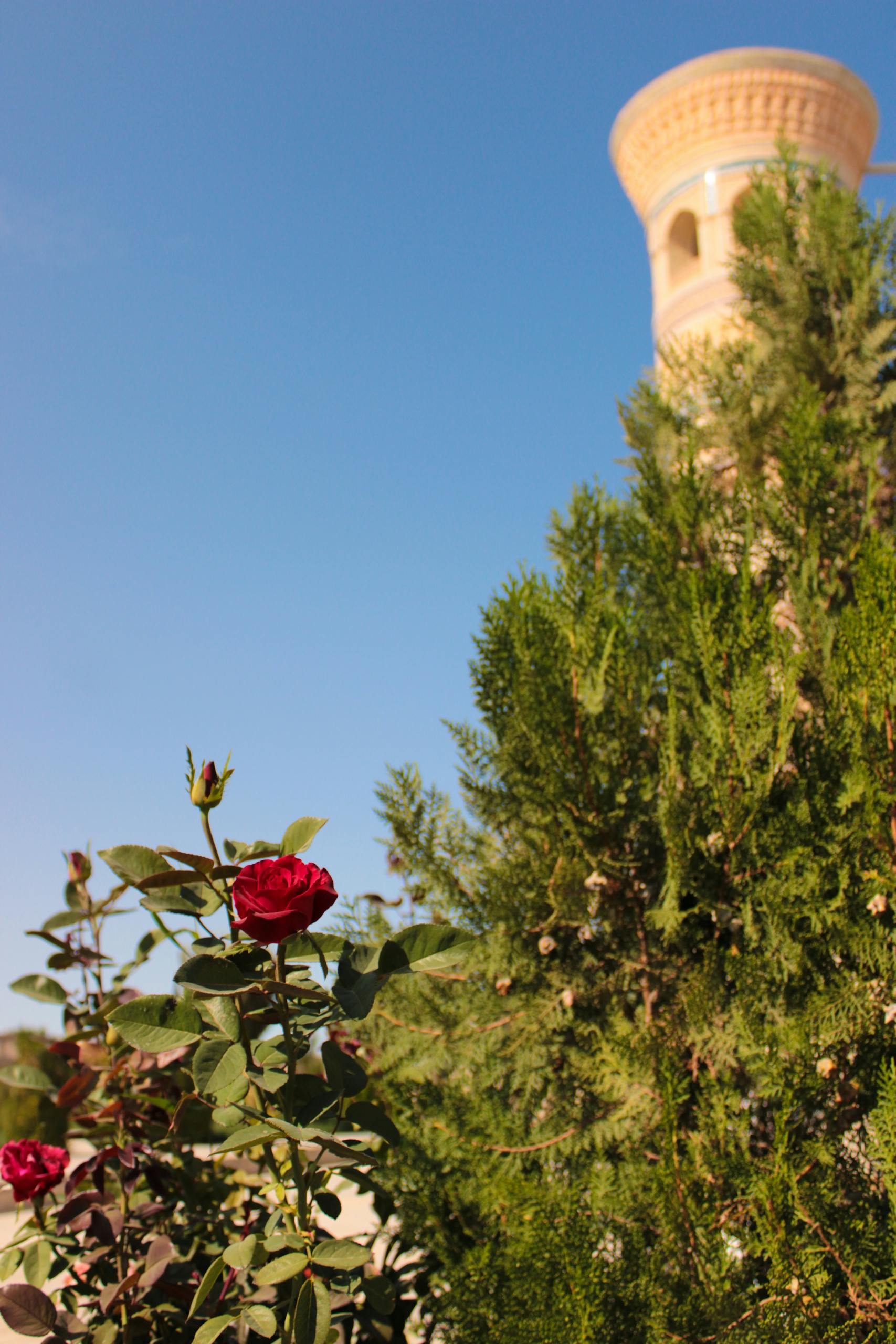
When it comes to transforming your garden into a visually captivating space, nothing adds more impact than the towering presence of tall plants. These impressive specimens serve as dynamic backdrops, drawing attention to your smaller plants while providing depth and texture.
Tall plants are not only ideal for concealing unsightly features but also offer a striking contrast against shorter greenery, giving your garden an organized and cohesive feel.
If you’re looking to add height and layers to your garden, here are ten remarkable plants that stand tall and make a statement.
Canna Lily (Canna spp.)

Cannas are the epitome of tropical elegance, offering large, striking flowers and bold foliage that can create a lush focal point in any garden.
These plants can grow from 3 to 8 feet tall, with some varieties reaching even greater heights, making them perfect for adding a vertical element to your landscape.
Their foliage can be strikingly variegated or solid green, and their flowers come in a myriad of colors, from deep reds to vibrant oranges and yellows.
Cannas thrive in full sun and require well-drained, fertile soil. In colder climates, the rhizomes should be dug up in the fall and stored indoors to protect them from frost. Hardy in USDA zones 8 and higher, they are perfect for brightening up garden beds or as standalone statement plants.
Cardoon (Cynara cardunculus)
Cardoon plants offer a unique combination of aesthetic beauty and culinary potential. With striking silvery-green leaves and tall, spiny flower stalks that can reach up to 6 feet, cardoons provide a dramatic architectural element to your garden.
Although the blooms are smaller than those of their cousin, the artichoke, their bold rosettes and towering presence make them a standout.
The edible stalks, which must be blanched before consumption, add an interesting twist to your garden’s offerings. Cardoons thrive in full sun and are well-suited for USDA zones 7 through 10. Be sure to check local regulations, as they can sometimes be invasive in certain areas.
Castor Bean Plant (Ricinus communis)
The castor bean plant is a striking tropical species that grows rapidly and can reach heights of up to 15 feet in a single summer. Its large, glossy, and deeply lobed leaves can span up to 3 feet across, creating a dramatic visual effect in any garden. Castor beans produce clusters of spiky seed pods that often glow a fiery scarlet.
Although it is hardy only in USDA zones 9 through 11, the castor bean plant is typically grown as an annual in colder climates. However, it is essential to handle these plants with care, as they contain ricin, a highly toxic substance, making them unsuitable for gardens with children or pets.
Cutleaf Coneflower (Rudbeckia laciniata)

The cutleaf coneflower, also known as Rudbeckia laciniata, is a perennial plant that can reach up to 10 feet in height. This plant is often referred to as the “Golden Glow” and produces vibrant yellow flowers that bloom from mid to late summer.
Its unique, finely cut leaves and tall, branching stems make it a beautiful addition to wildflower gardens and perennial beds.
Thriving in full sun or partial shade, this plant is hardy in USDA zones 3 through 10. It is perfect for creating a naturalistic look and pairs well with other tall, colorful plants.
Delphinium (Delphinium elatum)
Delphiniums are renowned for their tall, spire-like flowers that bloom in shades of blue, purple, white, and pink.
With some varieties reaching heights of up to 6 feet, delphiniums add a regal touch to any garden. These perennial beauties are perfect for cool-summer climates and are hardy in USDA zones 3 to 7.
Delphiniums are also known for attracting pollinators such as bees, making them a wonderful addition to any garden focused on biodiversity.
Although these plants thrive in full sun or partial shade, it is important to note that they are toxic to both humans and animals, so they may not be suitable for families with young children or pets.
Foxglove (Digitalis purpurea)
Foxgloves are tall, elegant biennials that produce slender stalks filled with bell-shaped flowers. These plants can grow up to 6 feet tall and are particularly suited for shady or woodland gardens. Their spotted flowers range in color from white to purple, creating an enchanting atmosphere.
While foxgloves can thrive in dry, shaded conditions, they must be treated with caution. The entire plant contains toxic compounds, which are used in the production of the heart medication digoxin. Therefore, foxgloves should be planted away from areas frequented by children or pets.
Perennial Hibiscus (Hibiscus moscheutos)
Perennial hibiscus is an excellent choice for gardeners who desire dramatic blooms. These plants can grow up to 7 feet tall and produce flowers that are as large as dinner plates. The showy blooms come in shades of red, white, pink, and purple, creating a bold contrast against their lush green foliage.
Hibiscus plants require full sun and slightly acidic soil to thrive. While they are slow to emerge from winter dormancy in cooler climates, their late summer blooms are well worth the wait. Hardy in USDA zones 5 through 9, perennial hibiscus is perfect for adding a tropical touch to your garden.
Hollyhock (Alcea rosea)

Hollyhocks are tall biennial plants that can grow up to 9 feet tall, making them a perfect addition to cottage gardens and as a privacy screen. Their large, ruffled flowers come in an array of colors, including pink, red, white, and yellow, creating a nostalgic and romantic feel in the garden.
These plants prefer full sun and well-drained soil. However, due to their height, hollyhocks can be prone to wind damage and may require staking for support. Hardy in USDA zones 4 through 10, hollyhocks make a charming and practical addition to any garden.
Red Hot Poker (Kniphofia spp.)
Red Hot Poker, also known as Kniphofia, is an eye-catching plant that can reach heights of 6 feet. Known for its spiky flowers that resemble fiery torches, this plant produces tubular blooms in shades of red, orange, and yellow, often transitioning from one color to the next.
This plant thrives in full sun and well-drained soil, and it is hardy in USDA zones 7 through 10. Red Hot Poker is an excellent addition to any garden looking to add a burst of color and height.
Additionally, it attracts hummingbirds and pollinators, making it a great choice for wildlife-friendly gardens.
Sunflower (Helianthus annuus)

Sunflowers are the quintessential tall plants, known for their large, golden blooms that follow the path of the sun. Some sunflower varieties can reach up to 15 feet tall, with flower heads that can span over a foot across.
Sunflowers prefer full sun and are relatively easy to grow, making them a popular choice for gardeners of all experience levels. They thrive in rich, well-drained soil and require plenty of water to reach their full height.
Hardy in USDA zones 4 through 10, sunflowers are an ideal choice for adding height and color to vegetable gardens or flower beds.
Conclusion
Incorporating tall plants into your garden can completely transform its appearance, adding structure, height, and depth. Whether you’re seeking a tropical atmosphere, a cottage garden vibe, or a dramatic focal point, these ten tall plants will elevate your landscape and enhance its visual appeal.
When choosing the right tall plants for your garden, consider your local climate, soil type, and the amount of sunlight your garden receives to ensure your plants thrive and reach their full potential.


