10 Astonishing Secrets of Stone Age People You Didn’t Know

The Stone Age remains one of the most fascinating periods of human history, stretching back over 3 million years and shaping the foundations of the modern world. Far from the primitive image often portrayed, Stone Age people were highly innovative, resilient, and capable of remarkable achievements.
Below, we explore 10 astonishing secrets about Stone Age people that challenge popular misconceptions and reveal the surprising advancements they made long before the rise of civilization.
Stone Age People Built Complex, Long-Lasting Homes

While many people picture early humans living in caves, this was not always the case. In fact, evidence suggests that many Stone Age communities constructed highly sophisticated dwellings. In Norway, for example, archaeologists discovered over 150 ancient camps where Stone Age people built pit houses, sunken structures that provided protection from the elements.
These homes, which were often large enough to accommodate entire families, were carefully maintained for generations. In some instances, these homes were abandoned only to be rebuilt or reused decades later, showing how communities valued and preserved their living spaces over the long term.
Early Humans Were Masterful Toolmakers
Stone tools are the hallmark of the Stone Age, but they were not just basic survival implements. Early humans displayed an impressive level of craftsmanship, creating specialized tools for a wide range of purposes. One notable example comes from a site in Israel, where archaeologists uncovered over 100,000 stone tools created by Homo erectus nearly half a million years ago.
These tools, including hand axes and scrapers, were finely crafted and suggest that early humans had a deep understanding of their environment and the materials they worked with.
The First Known Wine Was Produced in the Stone Age

Long before modern winemaking techniques were developed, early humans in the Republic of Georgia were already experimenting with fermentation. Archaeologists discovered evidence of the first known wine production, dating back to around 6,000 BCE. Researchers found ceramic jars containing traces of tartaric acid, a key indicator of grape wine.
This discovery not only suggests that Stone Age people had mastered the art of fermentation but also that they cultivated and harvested grapes, leading to the eventual development of one of the world’s oldest alcoholic beverages.
Stone Age Humans Practiced Dental Care
While we often associate dental care with modern times, early humans were no strangers to dental care. In northern Italy, archaeologists have uncovered evidence of dental procedures dating back as far as 13,000 years. A set of incisors was found with cavities that had been carefully scraped and filled with bitumen, a natural tar, mixed with plant fibers and hair.
This discovery suggests that Stone Age people were capable of sophisticated medical practices, including dentistry, long before the advent of modern healthcare.
Stone Age People Traded and Shared Knowledge Across Vast Distances

One of the most intriguing aspects of Stone Age culture was the way in which knowledge, materials, and ideas were exchanged over great distances. Evidence from archaeological sites in Germany reveals that women from distant lands, such as Bohemia and Central Germany, frequently traveled to the Lechtal region to start families.
This movement of people facilitated the spread of new technologies, cultural practices, and ideas, helping to shape the development of early European societies. This discovery challenges the traditional view that Stone Age people lived in isolated, small communities.
Early Humans Understood the Concept of Inbreeding
Inbreeding is a concept often associated with modern biology, but early humans were also aware of its dangers. Genetic analysis of ancient remains from Sungir, Russia, reveals that Stone Age humans were careful about choosing their mates.
The remains of four individuals from around 34,000 years ago showed that they likely avoided inbreeding by forming social bonds with people from outside their immediate family group. This early understanding of genetics played a crucial role in the survival of the species and prevented the genetic disorders that would arise from close familial mating.
The Stone Age Wasn’t Just About Survival—It Was About Warfare
While we often associate early humans with simple survival tactics, they were also capable of complex social behaviors, including violence. One of the most shocking discoveries in archaeology is the Nataruk massacre, which took place around 10,000 years ago in northern Kenya.
The remains of 27 people, including pregnant women and children, were found in a lagoon, their bodies showing signs of brutal violence. The cause of the massacre is unknown, but it is believed to have been a result of territorial disputes or resource competition. This discovery is one of the earliest known examples of organized human warfare.
Stone Age People Had a Complex Understanding of Death and Burial Practices
In addition to warfare, Stone Age people also had complex rituals surrounding death and burial. The Sungir site, for example, contains a series of burials that are thought to have been accompanied by elaborate ceremonies. In some cases, individuals were buried with tools, jewelry, and other items meant to accompany them into the afterlife.
These burial practices suggest that early humans had a deep sense of spirituality and a belief in life beyond death, marking a significant step in the development of human culture and religion.
They Developed a Form of Writing
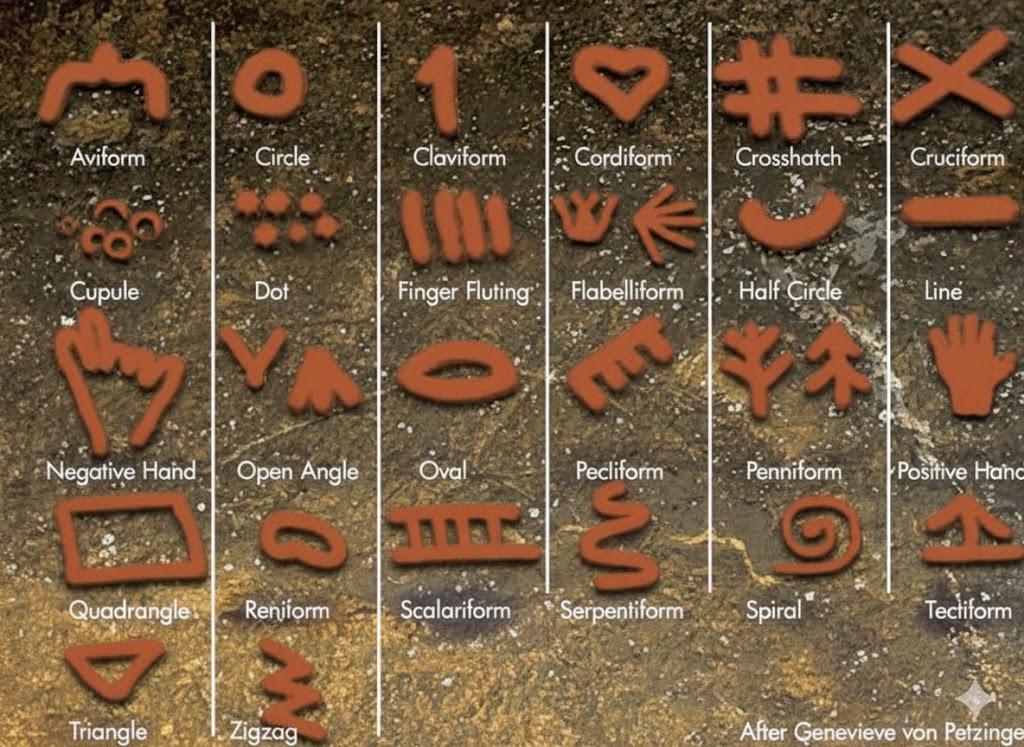
While we often think of writing as a modern invention, early humans may have used a form of written communication long before the advent of written language. In caves across Spain and France, researchers have discovered a series of abstract symbols and marks that may represent an early form of writing.
These symbols, found alongside realistic depictions of animals, suggest that Stone Age people were capable of abstract thought and communication. This discovery challenges the conventional timeline of writing and shows that early humans were far more sophisticated than previously believed.
Stone Age People Had a Deep Connection to Music
Finally, research into the evolution of human intelligence has revealed that music played a significant role in the development of human cognition. A study in 2017 found that early humans, when creating tools, activated the same brain regions used by modern musicians. This “musical brain” likely played a critical role in the development of complex cognitive abilities, including language, social interaction, and problem-solving.
The connection between music and toolmaking suggests that the evolution of human intelligence was closely tied to our ability to create and appreciate sound.
Conclusion
The Stone Age is often portrayed as a primitive period dominated by brutish cave dwellers, but the truth is far more complex and fascinating. Early humans displayed remarkable ingenuity, from the construction of sophisticated homes to the development of early writing and even the creation of the first wine.
They understood the importance of social networks, the dangers of inbreeding, and the power of music in shaping human cognition. As we continue to explore the mysteries of the Stone Age, it’s clear that our ancestors were far more advanced than we ever imagined.
Read the original article on crafting your home