10 Astonishing Secrets About Snow That Defy Everything You Thought You Knew

Snow is more than just frozen water drifting from the sky; it’s an intricate natural wonder, steeped in science, beauty, and mystery.
Across the globe, this crystalline phenomenon shapes climates, cultures, and even the course of history.
Snow Can Sculpt Itself Into Perfect Spheres
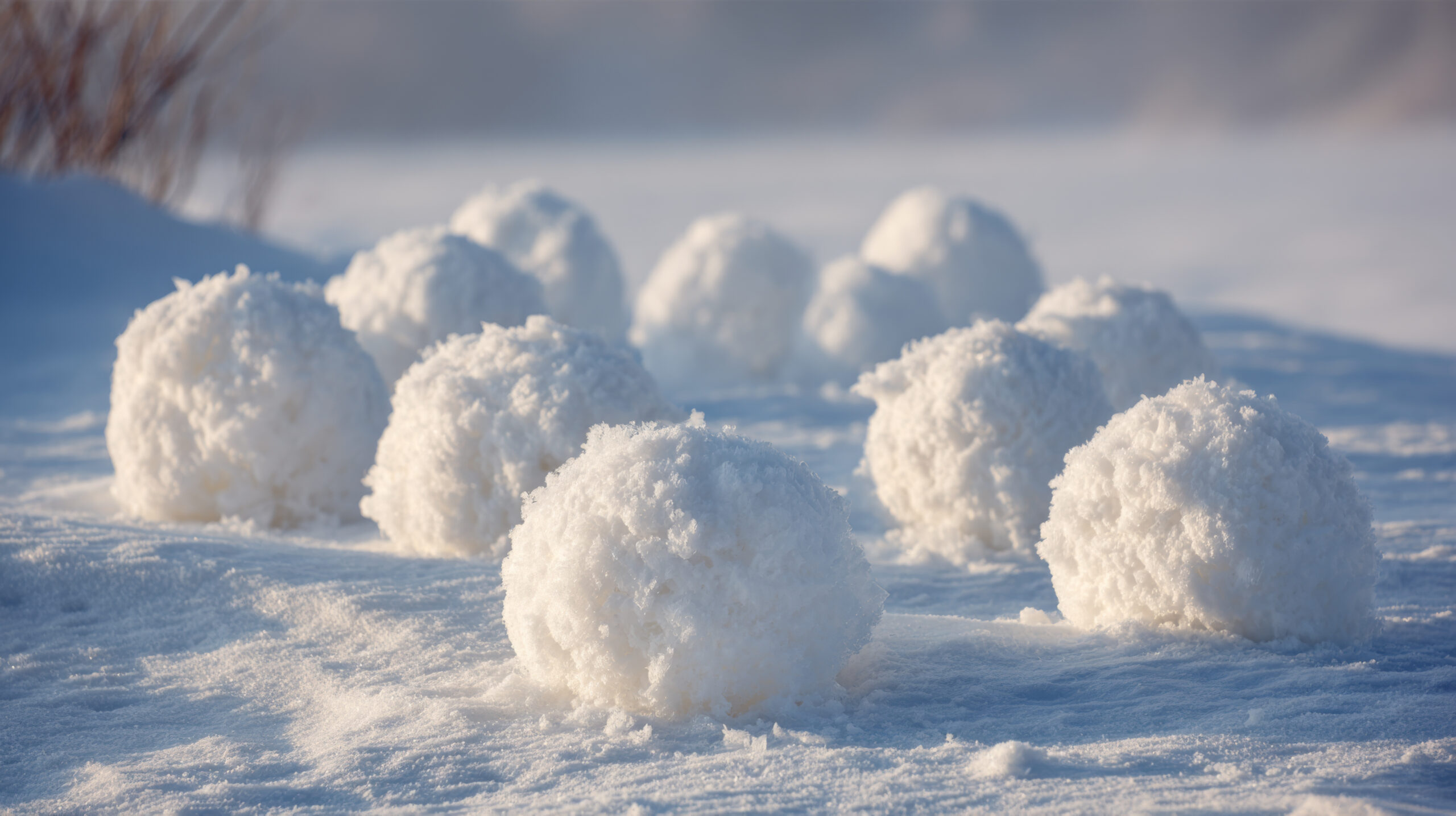
Nature has its own sculpting tools, wind and waves. In Siberia’s Gulf of Ob, an 11-mile stretch of beach is once filled with thousands of snowballs up to three feet wide, each perfectly round yet untouched by human hands.
These spherical wonders form when small pieces of ice roll and accumulate layers of snow as they are tossed by the sea.
The Science Behind Igloo Warmth- A Snow Fortress of Insulation
The paradox of warmth within frozen walls lies in snow’s unique structure; it’s composed of 95% trapped air, making it one of nature’s best insulators. Traditional Inuit igloos maintain interior temperatures up to 70°F warmer than the outside air.
The dome’s design contributes to this magic: cold air sinks to the lower chamber, while the raised sleeping platform stays comfortably warm. Despite being made of snow, an igloo can be a cozy refuge against Arctic winds.
Japan’s Snow Monsters- Nature’s Frozen Sculptures
High on Mount Zaō, winter breathes life into towering forms called juhyō, or “snow monsters.” Fierce Siberian winds drive supercooled water droplets onto fir trees, coating them in ice that curls and bends into eerie, creature-like silhouettes.
These natural sculptures form only under precise conditions: temperatures between 21°F and 31°F and steady winds.
Sadly, climate change and pest infestations threaten their formation, reducing these mystical figures that once blanketed entire mountainsides.
Thundersnow- Lightning Amid the Blizzard
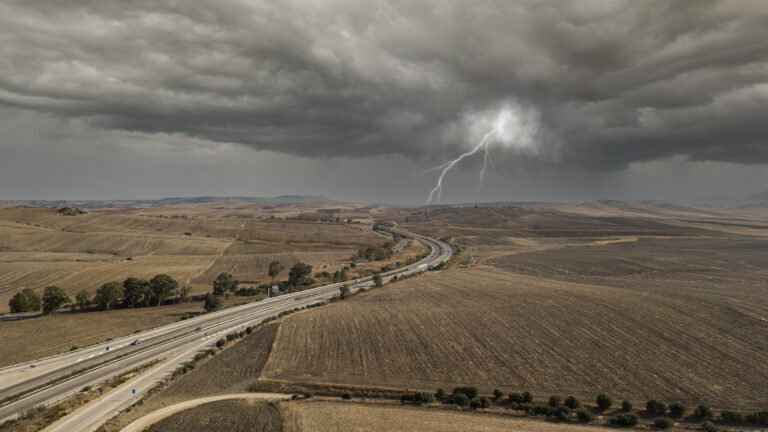
A rare meteorological symphony, thundersnow combines the ferocity of a thunderstorm with the silence of falling flakes. Lightning flares within snow clouds, but the thunder’s roar is muffled by the snow’s sound-absorbing qualities.
This phenomenon occurs during intense atmospheric turbulence, when colliding snowflakes generate electrical charges.
Meteorologists note that over 80% of thundersnow events result in heavy snowfall exceeding six inches, making it both spectacular and severe.
Snow in the Sahara- The Desert’s Icy Mirage
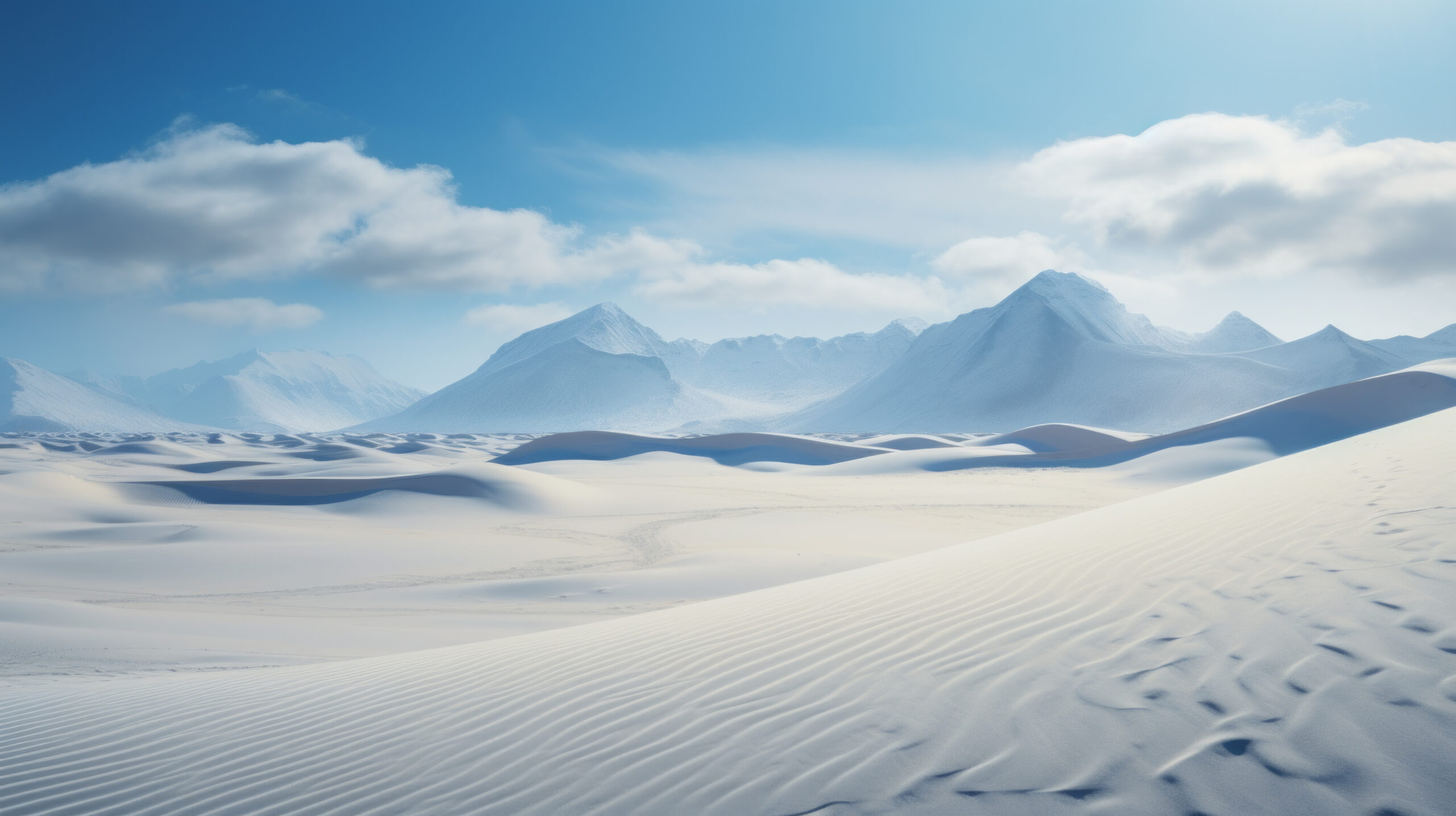
The Sahara Desert, known for its blistering dunes, has occasionally turned white. Snowfall, once an impossibility, now occurs more frequently due to shifting climate patterns.
In Ain Sefra, Algeria, snow has graced the orange sands multiple times since 2016. The phenomenon happens when cold air from the north meets moist Mediterranean winds, briefly transforming the desert into a surreal polar dreamscape, a powerful reminder of our planet’s changing climate.
Snow Isn’t White—It’s Colorless and an Optical Illusion at Play
Despite appearing pure white, snowflakes are completely transparent. The whiteness is an optical illusion: billions of microscopic ice crystals scatter light in every direction, reflecting the full color spectrum.
Under deep snow, blue hues emerge as longer wavelengths (reds and yellows) are absorbed while shorter blue wavelengths are reflected back, similar to the reason glaciers appear sapphire-colored.
Watermelon Snow- The Algae That Paints Mountains Red
On certain alpine slopes, hikers encounter pink or red snow, whimsically dubbed “watermelon snow.” The hue comes from the cold-loving algae Chlamydomonas nivalis, which produces a red carotenoid pigment to protect itself from ultraviolet light.
Though it smells faintly sweet, this colorful snow isn’t a treat; ingesting it can cause nausea. Far from being a curiosity, this rosy snow plays a key ecological role, affecting melting rates and nutrient cycles in high-altitude ecosystems.
Snow Doughnuts- Rolling Marvels of the Wind
Under rare meteorological conditions, snow forms into perfectly rolled cylinders with hollow centers, called snow rollers or snow doughnuts.
They require:
- Moist, sticky snow
- Temperatures slightly above freezing
- Steady winds of around 30 mph (48 km/h)
- Open ground, free of obstacles
Record-Breaking Snowflakes- Giants of the Sky
The largest snowflake ever reported measured 15 inches wide and 8 inches thick during an 1887 Montana snowstorm. Though unverified, this legend persists in meteorological lore.
The largest confirmed snow crystal, however, was captured in Ontario, Canada, in 2003—just 10 millimeters across but still a breathtaking feat of symmetry and structure.
Identical Snowflakes Exist—Rarely, But Certainly
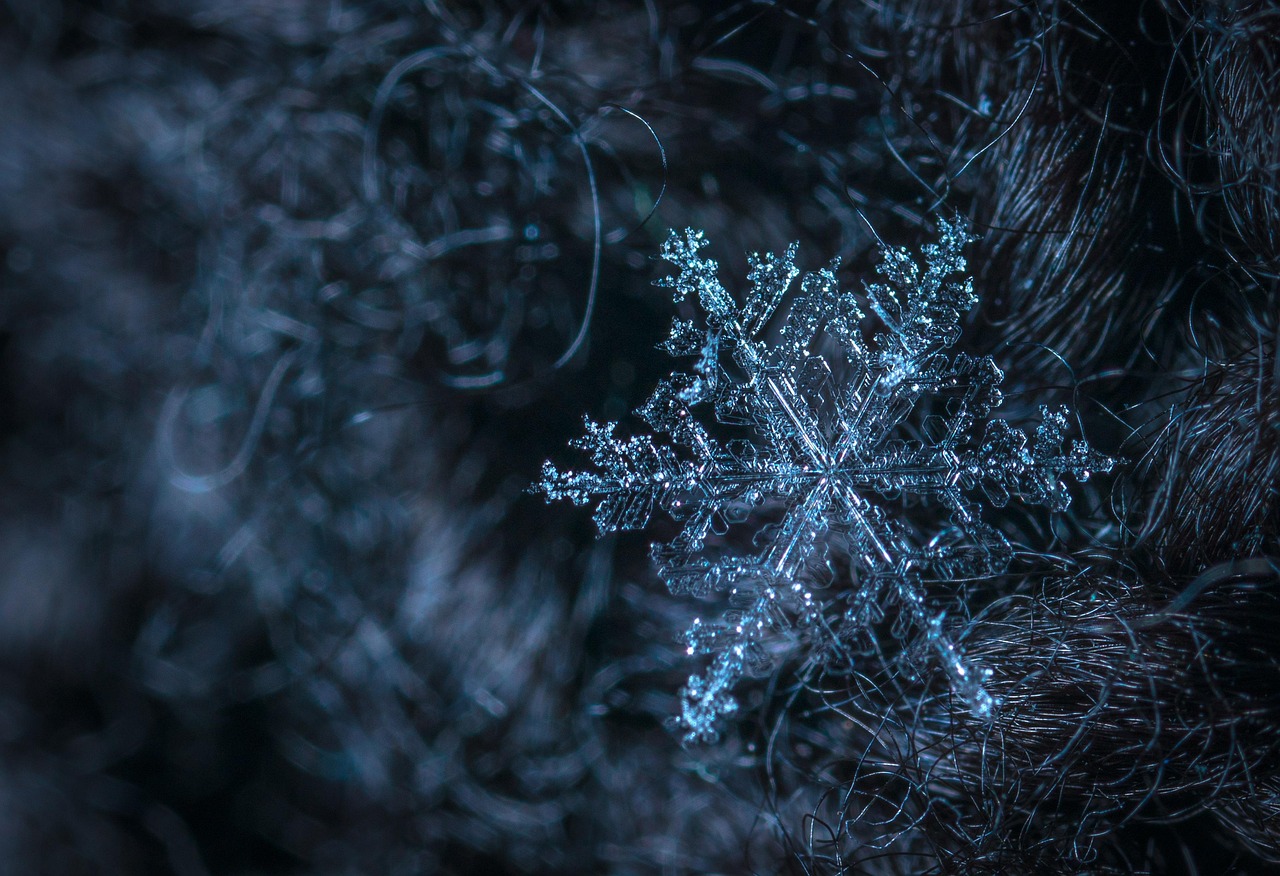
The timeless claim that no two snowflakes are alike has finally melted under scrutiny. In 1988, atmospheric scientist Nancy Knight discovered two identical snow crystals in a Wisconsin snowstorm. Under controlled laboratory conditions, identical flakes can also be replicated.
Considering that over a septillion snowflakes fall each year, statistical probability suggests that countless twins drift unseen through winter skies.
Conclusion
Snow embodies paradoxes, fragile yet powerful, ephemeral yet eternal. From the mystery of snow monsters to the science of igloo warmth, every flake tells a story about our planet’s delicate equilibrium.
In every silent snowfall lies a reminder of nature’s artistry, an exquisite dance between physics and wonder.