10 Astonishing Animal and Plant Relatives: Discover How These Species Are More Connected Than You Think

The natural world is full of astonishing connections between species that might seem unrelated at first glance.
From the wild diversity of domestic animals to the peculiarities of plant species, nature has created a fascinating web of relationships that challenge our understanding of what constitutes a species.
These connections often arise due to evolutionary processes, human intervention, or environmental adaptations, making them all the more intriguing.
Brassica Oleracea
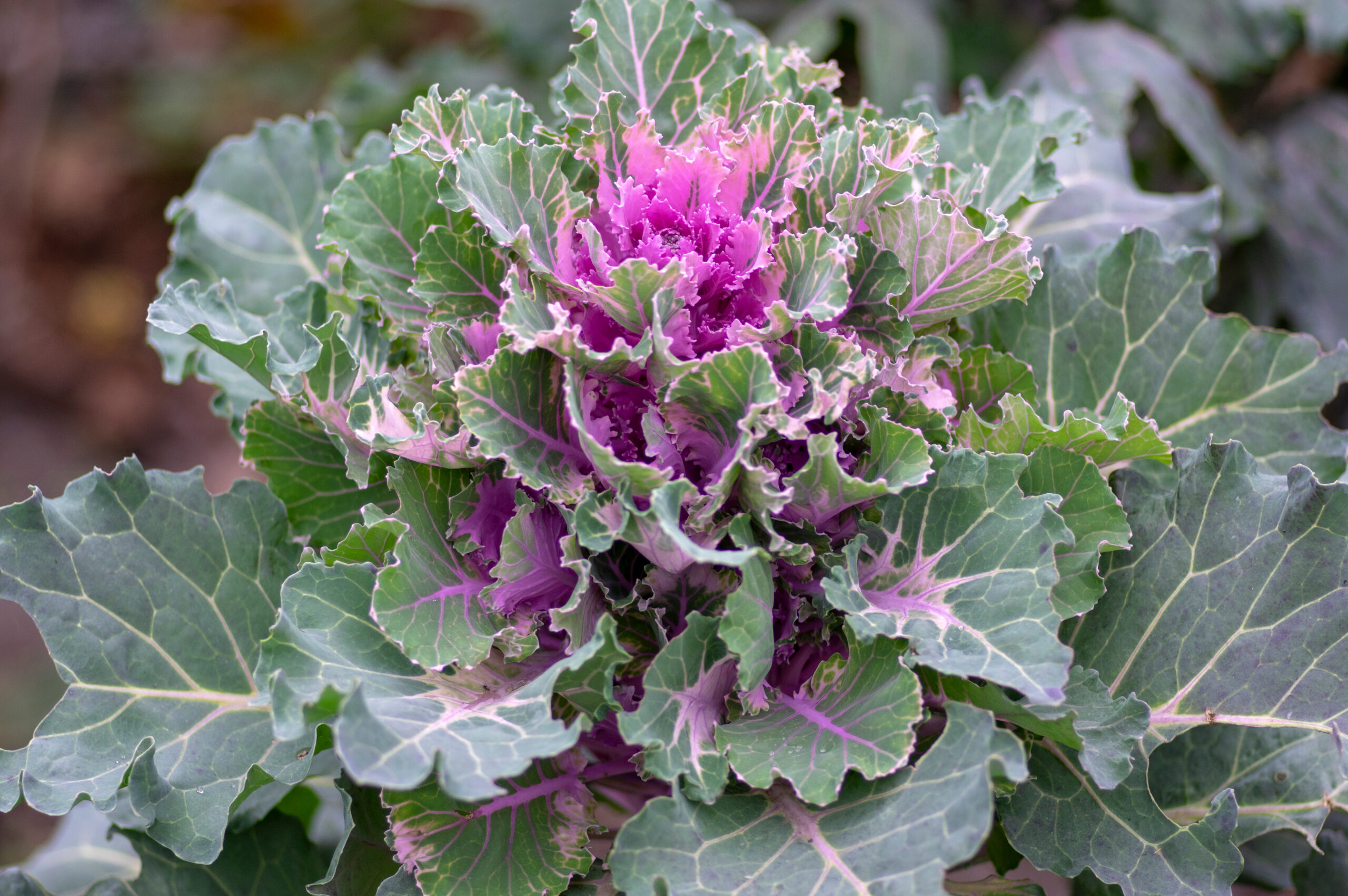
Brassica oleracea is a remarkable species of plant that has been cultivated into several different forms, each with distinct characteristics. Despite their different appearances, these plants are all part of the same species.
The seemingly unrelated vegetables we commonly eat, such as broccoli, cauliflower, cabbage, kale, and Brussels sprouts, all stem from this single plant.
- Broccoli: Bred for its dense flower heads.
- Cauliflower: A variant with white, undeveloped flower clusters.
- Cabbage: Cultivated for its tightly packed leaves.
- Kale: A form bred to emphasize leafy growth rather than forming heads.
- Brussels Sprouts: Essentially miniature cabbages grown on long stems.
Brassica Rapa
While Brassica oleracea focuses on vegetable varieties, Brassica rapa showcases how different regions of the world have shaped the same species in unique ways.
In the West, the plant is cultivated for its large, edible root, which we commonly call a turnip. In contrast, in Asia, the focus is on leafy greens, leading to varieties such as bok choy, napa cabbage, and pechay.
- Turnip: A root vegetable used in Western cuisine.
- Bok Choy: A staple leafy vegetable in Chinese cooking.
- Napa Cabbage: Used in Korean and Japanese dishes.
Capsicum Annuum
Capsicum annuum is a fascinating species that produces a wide range of peppers, from sweet, mild varieties to fiery chili peppers. What is truly surprising is that many of these peppers are actually the same species, differing only in ripeness or genetic modifications.
- Sweet Peppers: These come in various colors, such as red, yellow, and green, and are harvested at different stages of ripeness.
- Chili Peppers: These spicy varieties, such as jalapeños and habaneros, are the same species as sweet peppers but have been bred to develop different levels of capsaicin, the compound responsible for their heat.
Cucurbita Pepo
The Cucurbita pepo species is another example of a plant that displays incredible diversity.
While most people associate this species with pumpkins and zucchinis, Cucurbita pepo includes a wide variety of other squashes, each with its own unique characteristics.
- Zucchini: A soft, mild-tasting squash with a tender texture.
- Pumpkins: Larger, denser, and with a distinctive orange hue.
- Pattypan Squash: A small, scalloped variety.
- Spaghetti Squash: A unique variety that yields stringy flesh when cooked.
Camellia Sinensis
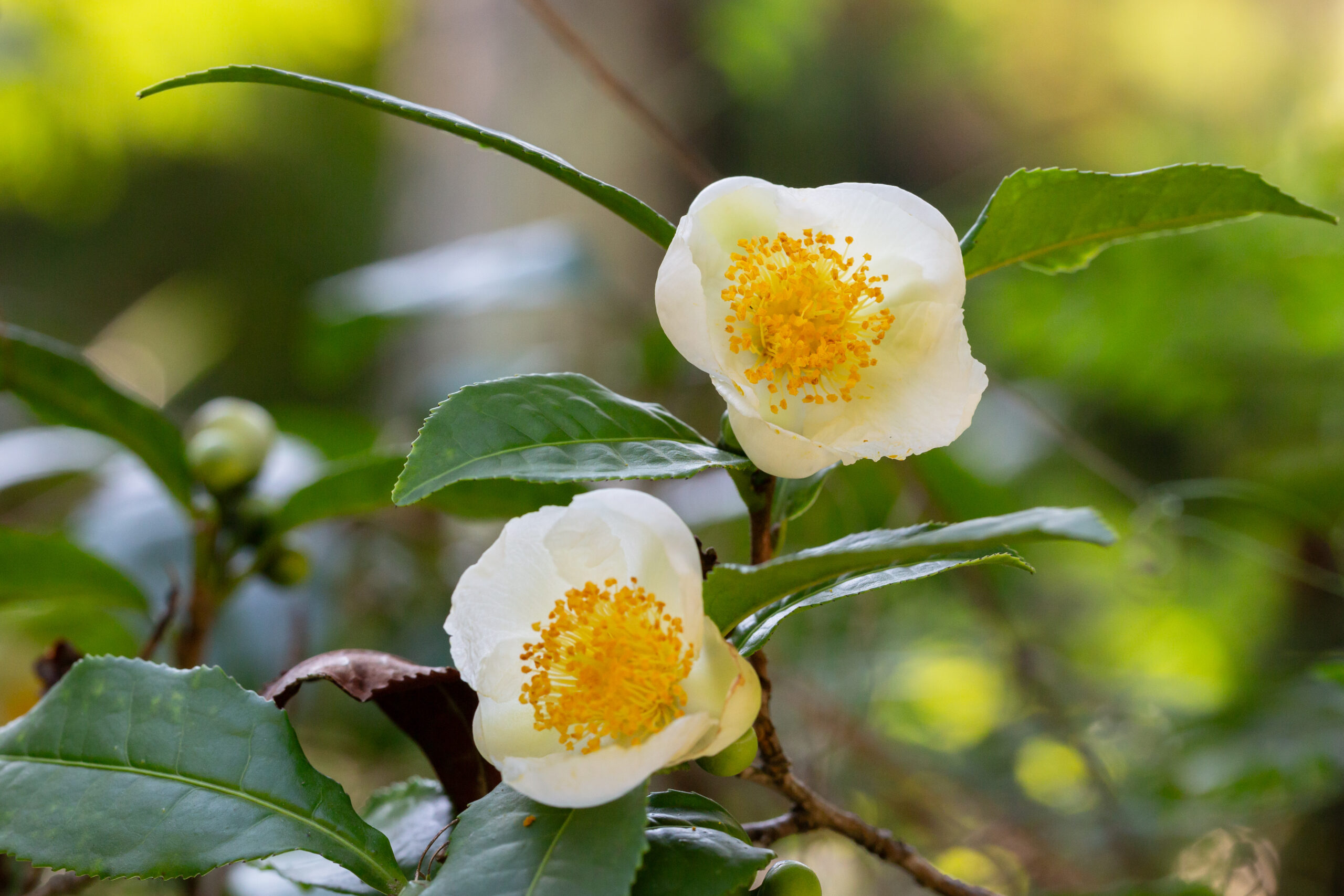
Camellia sinensis, the plant from which all traditional teas are derived, is responsible for producing black, green, white, and oolong teas.
The main difference between these teas lies in their preparation: each undergoes varying levels of oxidation.
- Black Tea: Fully oxidized, resulting in a rich, robust flavor.
- Green Tea: Minimally oxidized to preserve its fresh, grassy flavor.
- White Tea: The least processed, with delicate, subtle flavors.
- Oolong Tea: Partially oxidized, offering a balance of flavors between green and black tea.
Agaricus Bisporus
Agaricus bisporus is one of the most commonly consumed mushrooms worldwide. Interestingly, the various types of mushrooms, such as white button, portobello, and cremini, are all the same species, differing only by age and maturity.
- White Button Mushrooms: Harvested at a young age, with a small, round appearance.
- Cremini Mushrooms: Slightly older, with a brown color and firmer texture.
- Portobello Mushrooms: Fully mature, with large, flat caps and a robust flavor.
Canis Lupus
Canis lupus, the gray wolf, is the ancestor of all domestic dog breeds. Over thousands of years, humans have selectively bred wolves to create the vast array of dog breeds we see today, ranging from tiny chihuahuas to large Great Danes.
Despite their differences in size, shape, and temperament, all domestic dogs belong to the same species as their wild ancestors.
- Gray Wolves: The wild ancestor of domestic dogs.
- Domestic Dogs: Countless breeds that have evolved to serve various human needs, from herding to hunting to companionship.
Ursus Arctos
Ursus arctos, the brown bear, is another species with numerous subspecies spread across the globe. While the Kodiak and grizzly bears are perhaps the most famous, numerous other subspecies exist, each adapted to different environments.
- Grizzly Bears: Known for their powerful build and aggressive nature.
- Kodiak Bears: One of the largest bear species, found on the Kodiak Archipelago in Alaska.
- American Black Bears: Smaller bears with a wide distribution across North America.
Equus Ferus
The domestic horse, Equus ferus caballus, has been selectively bred into numerous breeds over the centuries. However, the wild ancestors of the domestic horse, such as the Przewalski’s horse, still exist today as distinct subspecies.
- Domestic Horses: Bred for various purposes, from racing to work to companionship.
- Przewalski’s Horse: The only true wild horse species, found in parts of Mongolia.
Panthera Species
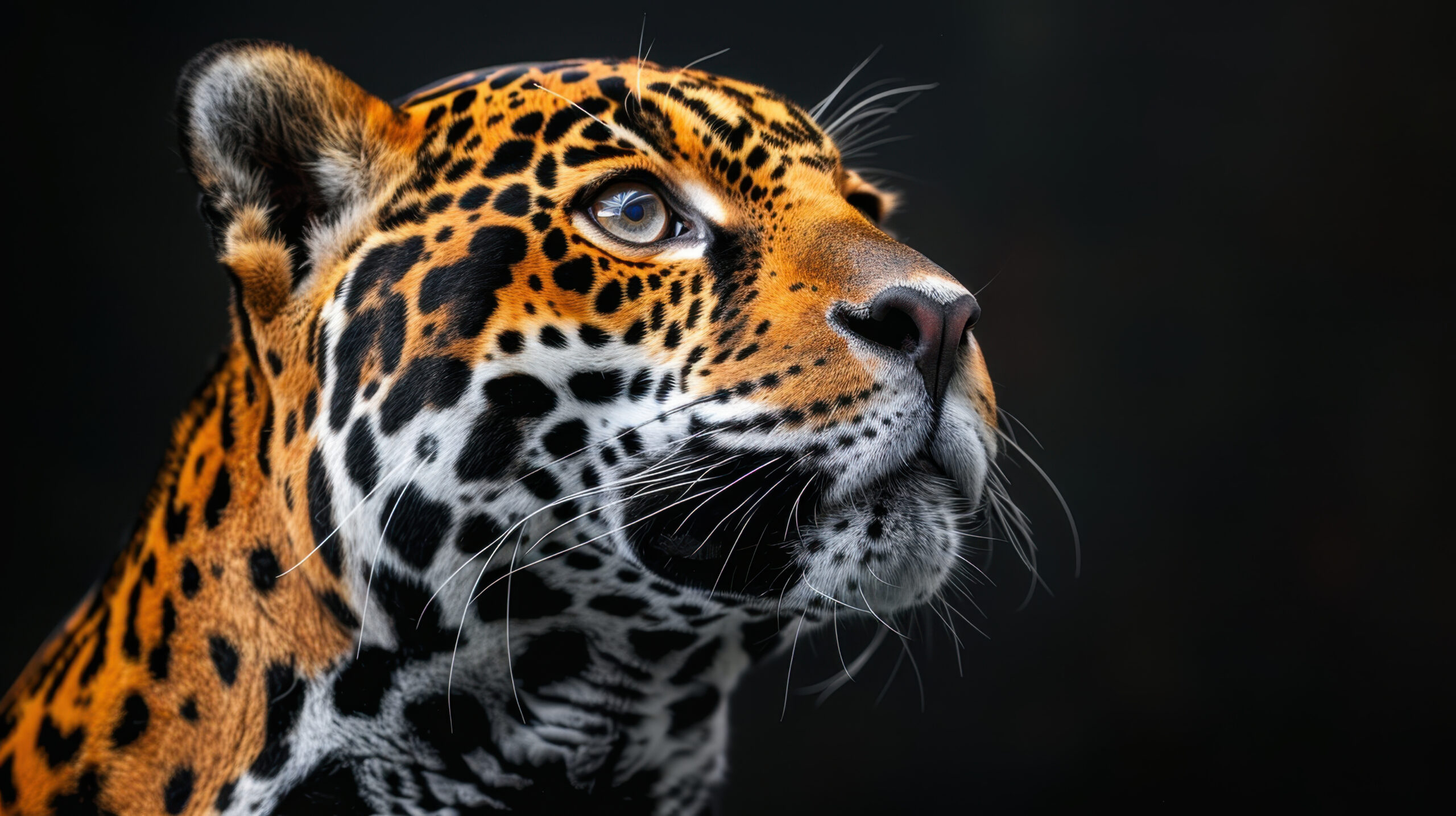
The black panther is often thought to be a distinct species, but it is actually a term used to describe any large cat with melanism, a genetic mutation that causes black fur. Panthers can be found among several species of big cats, including leopards and jaguars.
- Leopard Panthera Pardus: Found in Africa and Asia, with some individuals exhibiting black fur.
- Jaguar Panthera Onca: Native to the Americas, and also capable of producing melanistic individuals.
Conclusion
These examples demonstrate the incredible diversity that can arise from a single species.
From plants like Brassica oleracea to animals like Canis lupus, nature’s ability to produce such varied forms from a common ancestor is a testament to the power of evolution and selective breeding.
Understanding these relationships not only enriches our knowledge of the natural world but also highlights the complexity and interconnectedness of life on Earth.